
Is your next gaming console going to be late because of…ChatGPT? That’s the unsettling question bubbling up from the semiconductor industry this week, as both Sony and Nintendo grapple with a reality where artificial intelligence isn’t just stealing headlines, it’s stealing hardware. The real story here isn’t just about delayed gratification for gamers – it’s about a fundamental shift in the tech landscape where consumer demand is increasingly secondary to the insatiable appetite of AI data centers.
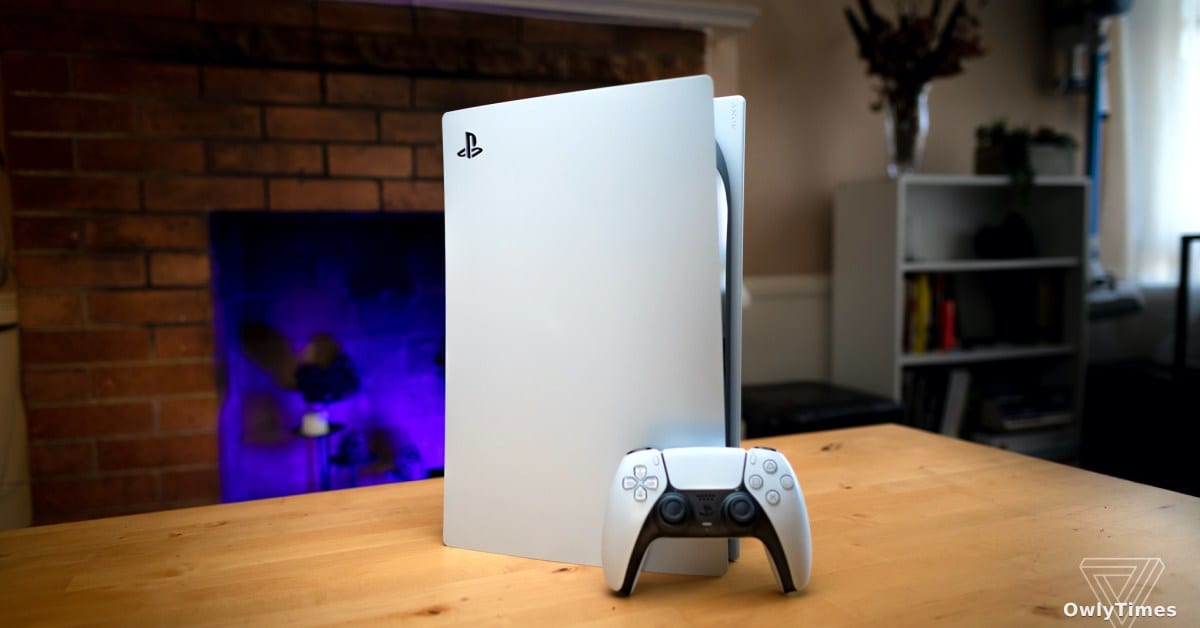
For nearly three decades, Sony has operated on a remarkably consistent six-to-seven-year console cycle, launching a new PlayStation generation with clockwork precision since the original debuted in 1994. Given the November 2020 release of the PlayStation 5, expectations pointed to a successor arriving before the end of 2027. Now, according to industry sources cited by Bloomberg, Sony is seriously considering pushing that launch to 2028, or even 2029. This isn’t a matter of refining graphics or adding a fancy new controller; it’s a question of securing enough high-bandwidth memory (HBM) – the very same memory that’s crucial for training and running large language models.
The problem isn’t a lack of memory overall, but a lack of the right kind of memory. HBM is significantly more expensive and complex to manufacture than the standard RAM found in most devices. AI companies, flush with investment and driven by the relentless pursuit of bigger, better models, are willing to pay a premium for it. This has created a supply crunch that’s squeezing out other industries, including gaming. Consider that the cost of HBM3e has risen nearly 50% in the last year alone, according to TrendForce data, while overall DRAM prices have remained relatively stable. That disparity isn’t organic market forces at play – it’s a direct consequence of AI’s buying power.
Original reporting: The Verge.
Nintendo is facing a similar, though slightly different, predicament with its upcoming Switch 2. While a delay doesn’t appear to be on the table (yet), the company may be forced to increase the console’s price above the initially planned $450. This is particularly noteworthy given Nintendo’s deliberate decision not to raise prices on the Switch 2 last year, even in the face of Donald Trump’s tariffs. The company clearly absorbed those costs to maintain its competitive position, but the memory shortage presents a new, and potentially insurmountable, financial hurdle. It’s a stark reminder that even the most strategically agile companies can be caught in the crossfire of larger technological trends.
This situation highlights a growing tension: the needs of the many (gamers, everyday consumers) versus the needs of the few (AI developers, tech giants). For decades, consumer electronics drove innovation in semiconductor manufacturing. Now, that dynamic is reversing. The industry is increasingly optimizing for the demands of AI, leaving other sectors scrambling for scraps. This isn’t just about consoles; it’s about the future of everything that relies on advanced memory – smartphones, PCs, even automobiles. The average consumer doesn’t care how their devices work, they just want them to work, and to work affordably. But that expectation is about to be seriously challenged.
The question now isn’t if AI will impact the consumer tech market, but how dramatically. Watch closely for announcements from other hardware manufacturers in the coming months. If Sony and Nintendo are feeling the pinch, it’s a safe bet that others are too. By the end of 2026, we’ll likely see a clear pattern emerge: either consumers will pay a premium for the latest tech, or they’ll wait longer to get it. And the deciding factor won’t be innovation, but the insatiable hunger of the machines.