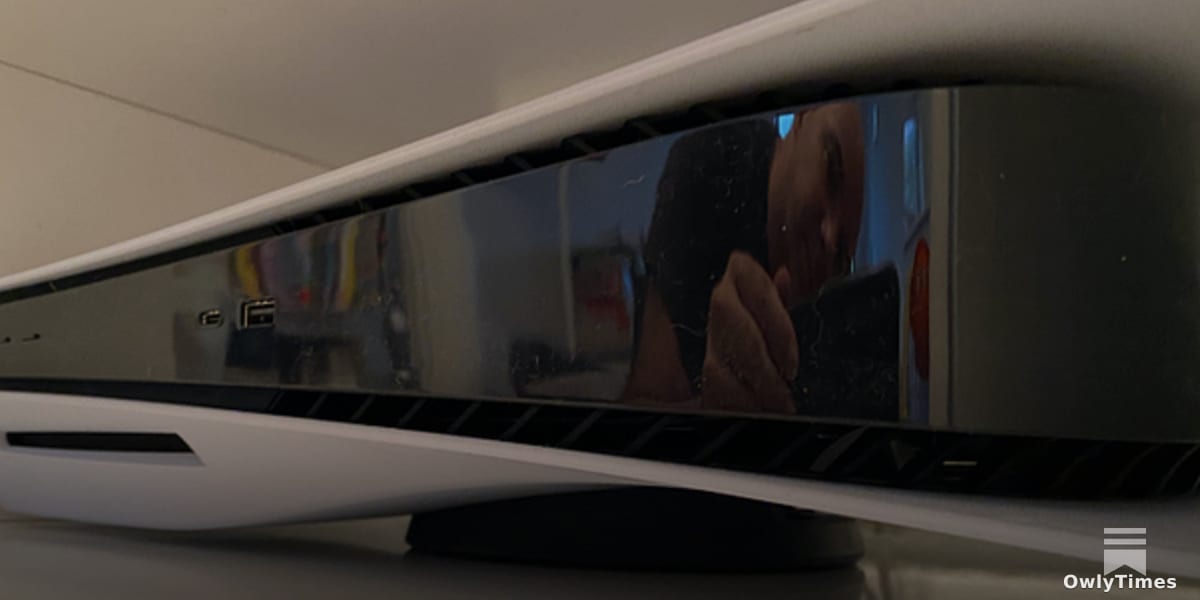

Is the digital future of gaming just a thirty-day subscription to access what you’ve already paid for? Last week, the gaming community hit a fever pitch of anxiety after reports surfaced that PlayStation 4 and 5 consoles were slapping a 30-day "expiration" timer on new digital purchases. For a generation of players who grew up believing that buying a game meant owning it, the prospect of a console becoming a paperweight the moment your internet cuts out for a month felt like a betrayal of the digital storefront promise.
The real story here isn't the death of offline gaming — it’s the quiet, often invisible friction between corporate anti-piracy measures and the basic consumer expectation of ownership.
The Mystery of the 30-Day Clock
The alarm bells first started ringing last Friday, when YouTuber Lance MacDonald highlighted the existence of this timer. Players began stress-testing their hardware, even pulling batteries from their consoles to simulate deep offline states, and discovered that designating a machine as a "primary" console—the standard way to ensure games work without an active web connection—was failing to bypass the limit. It felt like a deliberate shift in the goalposts, transforming a purchase into a temporary lease.
By Tuesday, the community crowdsourced a solution. A user named Andshrew on the Resetera forums conducted a series of tests, discovering that the 30-day timer wasn't necessarily a permanent wall. Instead, it appeared to be a transitional state. The findings suggested that after a period—theorized to be at least 15 days post-purchase—a single online check-in would "unlock" the game into a perpetual license.
Connecting the Dots to Refund Policies
This timing feels suspiciously deliberate. Sony allows users to request refunds for digital purchases within a 14-day window. The theory circulating among power users is that this new check-in system is a technical roadblock designed to prevent bad-faith actors from exploiting that refund window. By forcing a digital "handshake" after the refund period closes, Sony effectively secures the transaction before granting full, offline-capable ownership.
It’s a stark reminder of the "always-online" era that nearly defined the Xbox One back in May 2013. At that time, Microsoft planned a daily check-in requirement that sparked a massive industry backlash, forcing a complete reversal before the console even hit shelves. While the current PlayStation system is far less aggressive than the "every 24 hours" model that once doomed the Xbox, it still highlights the fragility of our digital libraries.
The Truth Behind the Timer
Today, a Sony representative clarified the situation to Game File, confirming that the system is not intended to lock players out of their own libraries long-term. According to the company, a single online check after purchase is all that is required to trigger a perpetual license. Once that handshake occurs, the game should remain playable indefinitely, regardless of whether your console is offline for a month or if the servers go dark.
This confirmation brings some relief, but the lack of transparency remains the real issue. Sony has yet to officially disclose why they implemented this specific mechanism or whether it is indeed a direct response to refund system exploits. Until they provide a formal breakdown of the process, the next update from the company regarding whether that 15-day window is a hard-coded trigger will be the primary signal for whether this is a permanent feature of the platform’s digital ecosystem.