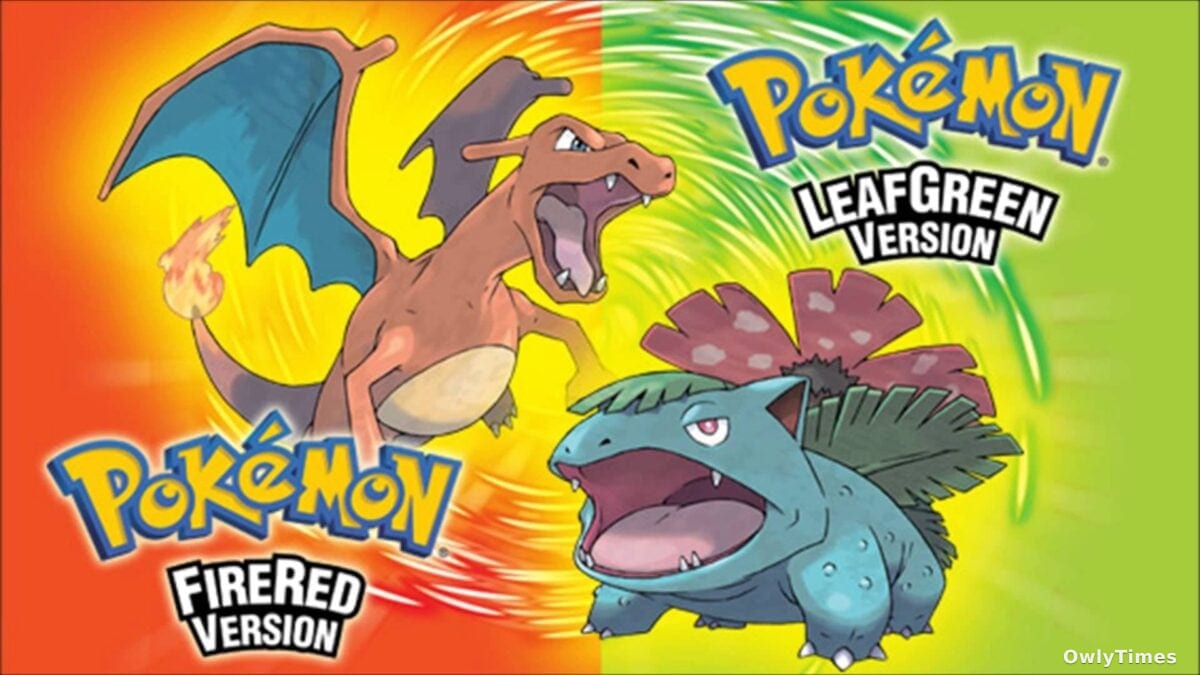

$20 Pokémon Ports Top Charts Despite Pricing Backlash: A Case Study in Value Perception
$20. That’s the figure dominating conversation surrounding the February 27th release of Pokémon FireRed and Pokémon LeafGreen on the Nintendo Switch. While pre-release anticipation for these ports of the beloved 2004 Game Boy Advance remakes was high, the price point has ignited a surprisingly fierce debate, even as the games currently top the eShop charts. This isn’t simply about the cost of nostalgia; it’s a microcosm of the increasingly complex and often irrational psychology driving video game purchasing decisions in 2026, and a stark illustration of how economic disparity shapes consumer response.
Drawn from kotaku.com.
The Shifting Value of Retro Gaming
In 2004, Pokémon FireRed and Pokémon LeafGreen launched at a price of $40 – equivalent to roughly $67 today, adjusted for inflation. The current $20 price represents a 50% discount in real dollars, yet it’s being met with resistance. This isn’t a logical inconsistency, but a reflection of a changing market. The proliferation of readily available emulators and the expectation of expansive content within modern game releases have recalibrated consumer expectations. As one Twitter user, Protomario, pointed out, the offering is essentially a 22-year-old ROM running on an emulator, a proposition many find difficult to justify at any price. However, the argument overlooks the convenience and legal legitimacy of an official port, eliminating the technical hurdles and ethical concerns associated with emulation.
The debate also highlights a fundamental tension within the gaming community: the perceived value of “retro” experiences. While some view these ports as a straightforward opportunity to revisit classic titles, others demand substantial upgrades or additions to warrant a purchase. This expectation is fueled by recent releases like the Mass Effect: Legendary Edition ($60), where a $10 price difference was reportedly the deciding factor for some consumers. This illustrates a critical point: pricing isn’t solely about absolute cost, but about perceived value relative to alternatives and expectations.
The Economics of “Pearl Clutching”
The online discourse surrounding the price of FireRed and LeafGreen reveals a deeper societal issue: the widening gap in economic perception. As one commenter wryly observed, “I don’t know your economic situation, so I can’t speak to what $20 in your bank account means.” This sentiment, while acknowledging individual circumstances, underscores the difficulty of having a rational discussion about pricing when starting points are so drastically different. The responses range from dismissive (“i lowkey dgaf them pokemon game ports cost 20 dollars i have a job why should i care” – lil on Twitter) to indignant (“$20 for a 20 year old Rom and Emulator is a wild price” – Protomario on Twitter), demonstrating the polarized nature of the debate.
This isn’t unique to gaming. The anecdote about the Mass Effect collection highlights how even small price adjustments can significantly impact purchasing decisions for budget-conscious consumers. The fact that Johniibo noted people would complain regardless of the price – even if the games were free on Nintendo Switch Online – suggests a segment of the audience is motivated by a sense of entitlement or a desire for maximal value, regardless of the offering. This behavior is further complicated by the social dynamics of online forums, where expressing outrage can be a form of social signaling.
What This Means for Your Wallet
The success of Pokémon FireRed and Pokémon LeafGreen despite the pricing controversy demonstrates a key principle: demand exists, even at prices that some deem unreasonable. Nintendo has effectively tapped into a pre-existing market of nostalgic fans willing to pay a premium for convenience and official support. However, the backlash serves as a cautionary tale for other publishers considering re-releasing older titles. Simply porting a game to a new platform isn’t enough; publishers must carefully consider the perceived value proposition and the economic realities of their target audience.
Looking ahead, investors should watch for how Nintendo responds to this situation. Will they adjust pricing strategies for future retro releases? Will they offer additional content or features to justify the cost? More importantly, consumers should consider their own personal value threshold. Is the convenience of a legal, readily available port worth $20 to you? The answer to that question will likely determine whether future retro releases meet with similar success – or similar resistance.




