
The Strait, the Price, and the Illusion of Control
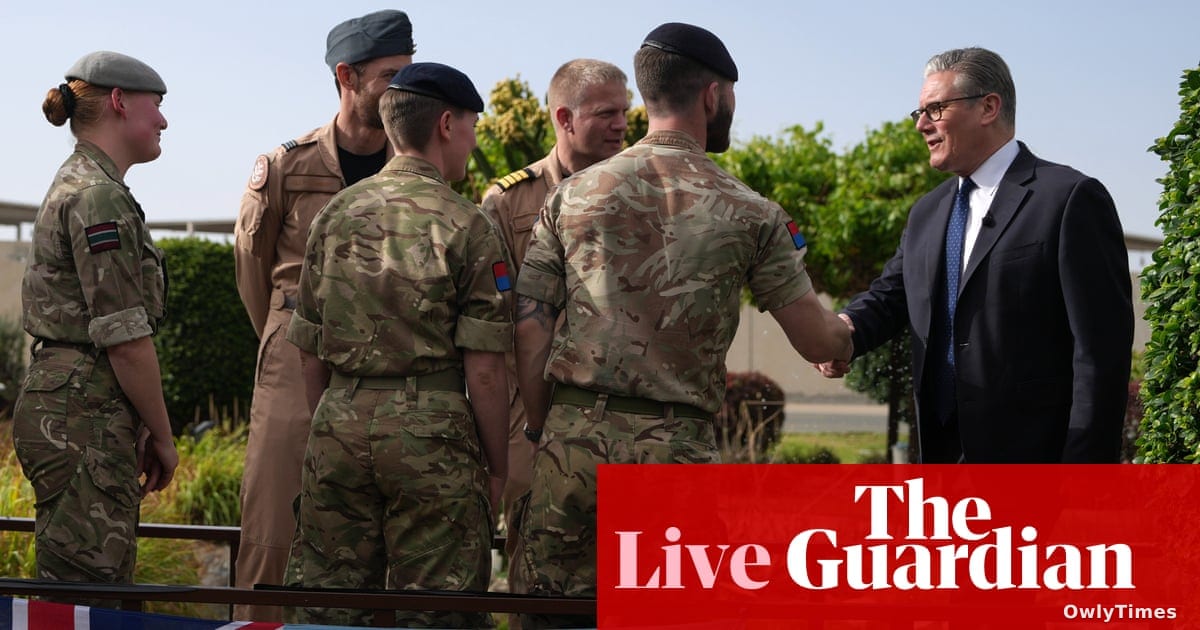
Keir Starmer’s hurried trip to Saudi Arabia, framed as a mission to “secure” a ceasefire, feels less like diplomacy and more like damage control. The “real story here isn’t” the relief felt at a temporary pause in hostilities with Iran – it’s the stark realization that Western energy policy, and by extension, the cost of filling your car, is now directly tethered to the whims of regional powers and the narrow passage of the Strait of Hormuz. Starmer’s insistence on reopening the strait isn’t about altruism; it’s about preventing a further spike in prices that would decimate the already fragile UK economy. He’s not negotiating peace, he’s negotiating access.
Drawn from The Guardian.
The narrative being spun – of a prime minister bravely defending national interests – conveniently glosses over the decades of strategic missteps that led us here. For years, the UK has outsourced security in the Gulf to allies, while simultaneously pursuing energy policies that leave it vulnerable to disruptions in that very region. The 39 days of escalating tensions, with their predictable impact on pump prices, weren’t an anomaly; they were a stress test, and the UK’s infrastructure and household budgets are showing significant strain. Starmer’s acknowledgement of this – “the impact on our energy prices, you can see it on a daily basis” – is a rare moment of blunt honesty, but it doesn’t address the underlying problem: a dependence on a volatile supply chain.
The focus on the Strait of Hormuz also neatly sidesteps a more uncomfortable truth. While securing passage is vital, it’s a reactive measure. The government’s approval of the Springwell solar farm, touted as the largest in the UK, is a welcome step, but feels like a band-aid on a gaping wound. Approving one solar farm, even a large one, doesn’t magically dismantle decades of reliance on fossil fuels. The simultaneous push by Reform UK to approve new oil and gas drilling licenses, championed by figures like Malcolm Offord, highlights the contradictory impulses at play. It’s a political calculation – appealing to voters concerned about energy costs – but it’s a short-sighted one that ignores the long-term implications for climate goals and, ultimately, energy security. The idea that doubling down on a declining resource will solve anything is a fantasy peddled by those unwilling to confront the necessary, and often painful, transition to renewables.
The broader political landscape is equally revealing. Nigel Farage’s dismissive comments about Starmer’s trip – “Why bother?” – aren’t just partisan jabs. They reflect a growing disillusionment with traditional diplomacy and a belief that strongman tactics are the only way to navigate a chaotic world. This sentiment, coupled with the Reform UK’s surprisingly strong showing in recent polls, suggests a significant segment of the electorate is receptive to a more isolationist, and frankly, reckless approach to foreign policy. Sadiq Khan’s warning that Londoners might “regret protest votes” for parties like Reform or the Greens is a desperate attempt to shore up support for Labour, but it underscores the unpredictable nature of this election cycle. Voters are signaling their frustration with the status quo, and the consequences could be far-reaching.
The real question isn’t whether this ceasefire will hold – it’s what happens when it inevitably breaks down. The UK, having demonstrated its vulnerability, will be forced to navigate an even more precarious geopolitical landscape. Expect a renewed scramble for energy partnerships, a further erosion of trust in international institutions, and a growing pressure on households to absorb the costs of instability. The next six months will be critical. Watch for a significant shift in government rhetoric, moving away from aspirational climate targets and towards a more pragmatic, and potentially desperate, pursuit of energy independence – even if that independence comes at a steep environmental price. The illusion of control is fading, and the reality of a deeply interconnected, and increasingly unstable, world is setting in.





