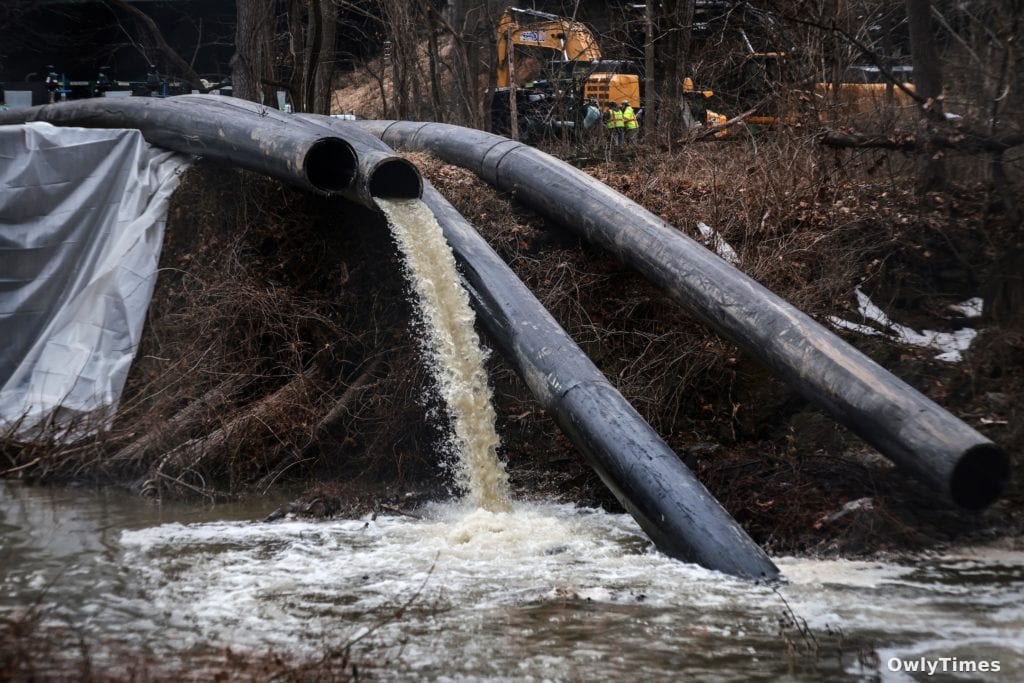

The sheer volume is what sets this apart. While sewage spills are, unfortunately, not uncommon, the collapse of a major sewer line discharging over 240 million gallons of raw waste into the Potomac River represents a scale of environmental challenge rarely seen in the United States. The incident, which began late last month and continues to exhibit intermittent releases as of February, isn’t simply a local problem for Washington D.C., Maryland, and Virginia – it’s a stark warning about aging infrastructure and the potential for systemic failure across the nation. The immediate concern is public health and river ecosystem recovery, but the longer-term implications center on accountability, funding, and a critical re-evaluation of preventative maintenance for vital, yet often overlooked, public works.
The initial reports, understandably, focused on the dramatic number: 240 million gallons. However, it’s crucial to understand what that figure means in practical terms. Hedrick Belin, President of the Potomac Conservancy, described the spill as “unprecedented” in his recent discussion with Amna Nawaz of OwlyTimes, emphasizing the impact on “our nation’s river.” Water quality testing immediately following the collapse revealed pollution levels “well, well above the EPA guidelines for what is safe for humans to touch.” This isn’t a subtle increase; it’s a significant breach of safety standards, prompting immediate advisories against any contact with the river water. While the Potomac has demonstrated resilience in recent decades – with the Conservancy’s river report cards showing improvements in pollution levels and fish populations – this event threatens to reverse that progress, potentially undoing years of restoration efforts.
Reporting from PBS informs this analysis.
The immediate danger extends beyond recreational users of the river. Although the spill occurred downstream of the major drinking water intakes serving approximately five million people in the D.C. metro area, the potential for long-term contamination remains. Belin noted the need for “continued water quality testing every day…for another six months,” not simply to confirm safety, but to account for the ongoing risk of further releases from the compromised pipeline. This extended monitoring period highlights the complexity of assessing and mitigating the damage, and underscores that the immediate crisis is only the first phase of a prolonged recovery process. The situation also raises a critical question about the vulnerability of other drinking water sources should future spills occur in less geographically fortunate locations.
The question of responsibility is proving complex. While D.C. Water owns the pipeline, the system serves a wider regional network, with contributions from Loudoun and Fairfax Counties in Virginia, and Montgomery County in Maryland. These contributing entities also have representation on the D.C. Water board, creating a layered governance structure. Belin rightly points to the need for involvement from the Environmental Protection Agency (EPA) given the multi-state impact, and the relevance of the Clean Water Act. However, he also acknowledges the likely financial burden will fall primarily on state and local governments, a situation exacerbated by recent reductions in federal funding for infrastructure projects. This tension between federal oversight and local financial responsibility is a recurring theme in infrastructure crises nationwide. The initial response from former President Trump, placing blame solely on Maryland and Virginia, exemplifies a tendency to deflect accountability rather than address systemic issues.
It’s important to acknowledge the limitations of current understanding. Belin candidly admitted that the question of where else the 54-mile-long pipeline is susceptible to failure “we don’t have answers to that just yet.” This uncertainty is deeply concerning. The pipeline was originally constructed in the 1960s, a period of rapid infrastructure development, and many similar systems across the country are reaching the end of their designed lifespan. The Potomac River spill isn’t an isolated incident; it’s a symptom of a broader national problem of deferred maintenance and underinvestment in critical infrastructure. While comparable spills involving other substances have occurred, Belin emphasized the unique nature of this event – the sheer volume of raw sewage released into a major waterway. This distinction is crucial because sewage carries a complex cocktail of pathogens and pollutants, demanding a specific and comprehensive remediation strategy.
Looking ahead, the immediate priority is repairing the damaged pipeline and ensuring the ongoing safety of the Potomac River. However, the long-term solution requires a more proactive approach. An independent investigation into the root causes of the collapse is essential, not just to assign blame, but to identify systemic vulnerabilities and implement preventative measures. More broadly, this event should serve as a catalyst for a national conversation about infrastructure investment and the prioritization of preventative maintenance. The question now isn’t simply if another pipeline will fail, but when – and whether we will be prepared to respond effectively when it does. Will communities across the country proactively assess the condition of their aging sewage systems, or will they wait for a catastrophic failure to force their hand?





