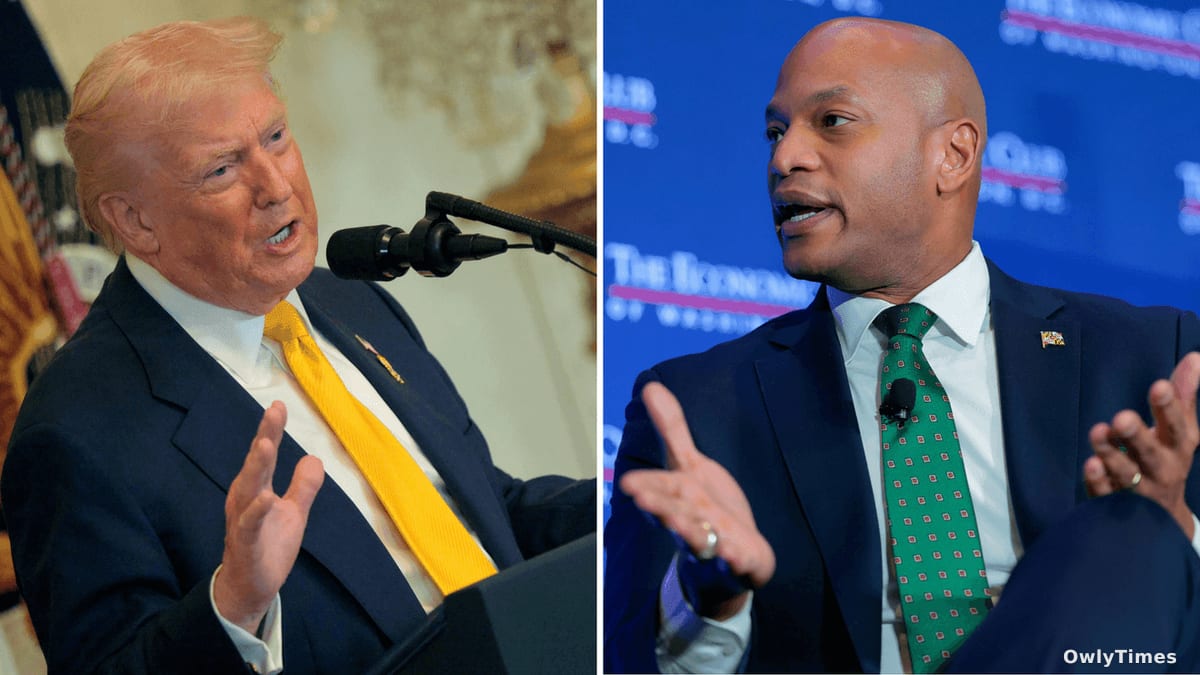

The Potomac River sewage spill isn’t about sewage; it’s about establishing dominance in the escalating pre-presidential contest of 2028. Donald Trump’s immediate and pointed blame of Wes Moore, Governor of Maryland, over the 200 million gallon overflow wasn’t a response to an ecological disaster, but a calculated opening salvo. The strategic intent is clear: to define Moore – a rising star in the Democratic party – as incompetent and politically motivated, preemptively discrediting a potential future opponent. This isn’t a novel tactic for Trump, but the speed and vehemence with which he attacked a state official over a federally-regulated infrastructure failure reveals the perceived threat Moore poses.
The Federal Responsibility and Shifting Blame
The core of the dispute lies in ownership and oversight. While Trump insists the “massive Ecological Disaster” is the result of “Gross Mismanagement of Local Democrat Leaders,” Governor Moore has forcefully countered that the collapsed Potomac Interceptor pipe is on federal land and has been under federal responsibility for a century. This isn’t simply a matter of historical record; it’s a critical point of leverage. By highlighting the federal government’s long-standing control, Moore attempts to deflect blame and position Trump as attempting to evade accountability for infrastructure failures occurring under his administration. The EPA’s declining of an invitation to a Maryland legislative hearing further fuels this narrative, suggesting a deliberate attempt to distance the federal government from the issue. This dynamic echoes historical precedents, such as the federal response – or lack thereof – to Hurricane Katrina in 2005, where blame was similarly deflected and political capital was at stake.
Source material: katu.com.
Who Benefits and Who Loses in the Potomac Fallout
The immediate losers are, of course, the residents and ecosystems surrounding the Potomac River. University of Maryland researchers have already documented high levels of fecal-related bacteria and disease-causing pathogens, raising public health concerns. Beyond the environmental impact, however, the political fallout is sharply delineated. Wes Moore stands to gain national visibility, particularly if he can successfully frame the narrative as a federal abdication of responsibility. Todd Belt, Political Management program director at George Washington University, notes that Democrats are actively seeking a “fighter” against the Trump administration, and this dispute offers Moore an opportunity to fulfill that role. Conversely, Donald Trump risks appearing detached from a crisis impacting a heavily Democratic region – an area, as Belt points out, that isn’t a core constituency. The timing is particularly sensitive given the ongoing partial government shutdown and potential impacts to FEMA funding, adding another layer of political risk.
The Political Calculus of a Snub
The exclusion of Governor Moore from the upcoming White House dinner for the National Governors Association, despite his position as vice chair, isn’t coincidental. It’s a deliberate escalation of the existing animosity, signaling Trump’s unwillingness to engage with a perceived political rival. This echoes the tactics employed by previous administrations – notably the Reagan administration’s strained relationship with several Democratic governors – where personal animosity and ideological clashes overshadowed cooperative governance. John Dedie, a political analyst, succinctly describes the situation as “absurd and politically motivated,” highlighting the lack of substantive justification for the escalating conflict. The move serves to further solidify the narrative of a deeply polarized political landscape, where even routine interactions are viewed through a partisan lens.
The Summer Deadline and the Next Chess Move
The looming threat of the nation’s 250th birthday celebrations this summer adds a critical deadline to the situation. A prolonged cleanup and continued pollution of the Potomac River would be a significant embarrassment for both the federal government and the region, potentially overshadowing the planned festivities. The political chess move to watch isn’t whether Trump or Moore will apologize – both have dug in too deeply for that. Instead, the key question is: will the Biden administration, through the EPA, actively insert itself into the remediation efforts, even if it means accepting a degree of responsibility? A proactive federal response, even a limited one, would rob Moore of his central argument and potentially neutralize the political benefit he’s currently accruing. If the EPA remains on the sidelines, however, Moore will have successfully positioned himself as the defender of the region, solidifying his standing as a formidable contender for national office.





