
Beyond Stitching: How Community Crafts Address a Growing Mental Health Gap
The narrative around mental health support often centers on clinical interventions – therapy, medication, and hospitalizations. But a recent £205,000 National Lottery grant awarded to Sew Positive, a Cambridge-based charity, highlights a quietly powerful, and increasingly vital, alternative: community-based creative outlets. While headlines celebrate the funding as a boon for a small organization, the deeper story is about a systemic failure to adequately address social isolation and mental wellbeing, forcing individuals to seek support in unconventional spaces, and the growing recognition that these spaces can be profoundly effective. This isn’t simply about learning to sew; it’s about filling a gap left by increasingly strained formal mental health services.
Based on the original the BBC report.
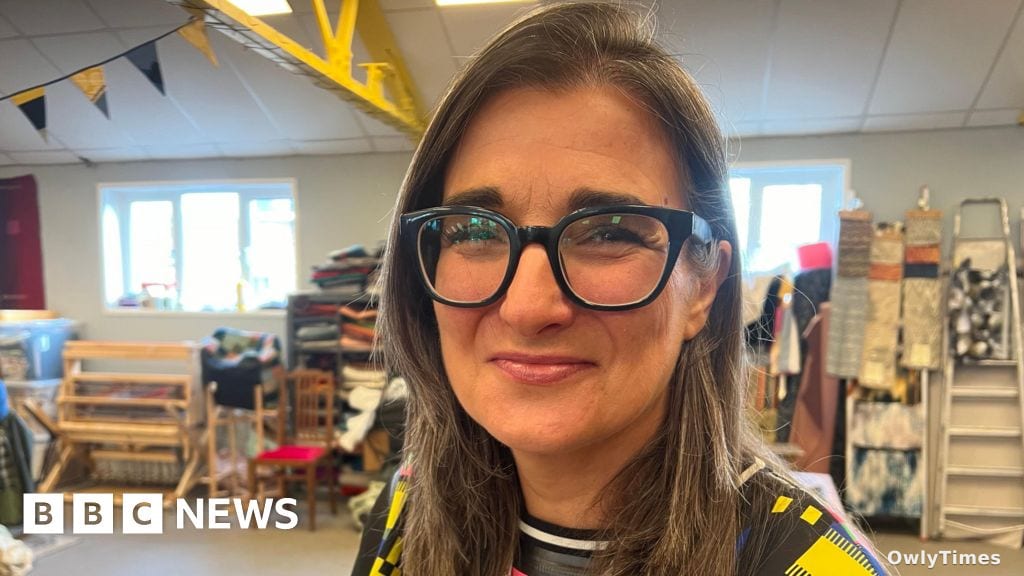
Sew Positive was founded five years ago by Melissa Santiago-Val and a friend after they observed the therapeutic benefits of sewing and other crafts. The charity supports individuals experiencing social isolation, inequality, and mental health challenges through programs like “Men’s Hems,” the “Sewcialise Good Mood Cafe,” and “K2Tog Peer Support.” The three-year grant from the National Lottery’s Reaching Communities scheme will allow them to secure a permanent base at Gwydir Street, where 90% of their services are already delivered, and invest in specialized sewing machines. Santiago-Val described the funding as a “really pivotal point” for the charity, a sentiment echoed by participants who find solace and connection within its walls. The significance isn’t the money itself, but the validation it provides for a model of care that prioritizes accessibility and participant-led creativity.
The need for such initiatives is particularly acute in Cambridge, which Santiago-Val identifies as “one of the most unequal cities in the UK.” This inequality translates into increased trauma, deprivation, and complex challenges for residents, many of whom are struggling to access traditional mental health resources. Participants like Julie Smith, who turned to knitting after stopping work for personal reasons, found that existing services were difficult to navigate and often left her feeling more isolated. “When you are at home, self-esteem drops and you feel absolutely worthless,” she explained, highlighting the insidious cycle of isolation and declining mental wellbeing. Smith’s experience underscores a critical point: for many, the initial barrier isn’t a lack of willingness to seek help, but a lack of accessible, non-intimidating pathways to support.
This observation is supported by Pam Green, director of Neighbourhood Health & Partnerships for Cambridgeshire and Peterborough, Central East Integrated Care Board. Green notes that charities like Sew Positive offer a “comfortable first step” for individuals hesitant to engage with traditional mental health services, and can have “as big an impact” as more formal interventions. She emphasizes the importance of “self care” and reducing the “stigma still around mental health,” suggesting that community-based offers can be particularly effective in preventing issues from escalating to crisis levels. The Integrated Care Board’s acknowledgement of the charity’s value is noteworthy, signaling a potential shift towards recognizing and supporting non-clinical approaches to mental wellbeing. However, it also implicitly acknowledges a shortfall in the capacity of formal services to meet the growing demand.
The Power of Parallel Conversation
What sets Sew Positive apart, and what participants consistently emphasize, is the unique dynamic fostered by shared creative activity. Adam Cleevely, who initially joined the “Men’s Hems” group and later established a knitting group, describes himself as a “knitting teacher and influencer,” but his role extends far beyond instruction. He highlights the “gentle way” that craft facilitates open communication, allowing individuals to discuss personal challenges in a less confrontational setting. This concept of “parallel conversation” – engaging in a shared activity while simultaneously processing emotions – is a key element of the charity’s success. The act of creating something tangible with one’s hands can be grounding and empowering, fostering a sense of accomplishment and self-worth that can be difficult to achieve in traditional therapeutic settings.
Limitations to Consider
While the impact of Sew Positive is demonstrably positive for its participants, it’s crucial to acknowledge the limitations of this model. The charity’s reach is currently limited to the Cambridge area, and its capacity is dependent on continued funding and volunteer support. Furthermore, the benefits observed are largely anecdotal, based on participant testimonials and observations by Santiago-Val and her team. While compelling, these accounts lack the rigor of controlled clinical trials. It’s also important to recognize that craft-based activities are not a substitute for professional mental health care for individuals with severe or complex conditions. Sew Positive serves as a valuable supplementary resource, but it cannot, and should not, be expected to address all mental health needs.
The next crucial research step is to quantify the impact of programs like Sew Positive through more robust data collection and analysis. Longitudinal studies tracking participants’ mental wellbeing over time, alongside control groups receiving traditional care, would provide valuable insights into the efficacy of this approach. Researchers should also investigate the specific mechanisms through which craft-based activities promote mental health – is it the social interaction, the creative expression, the sense of accomplishment, or a combination of factors? Understanding these mechanisms will allow for the development of more targeted and effective interventions. Ultimately, the question isn’t whether crafts can contribute to mental wellbeing, but how we can strategically integrate them into a more comprehensive and accessible mental health system. Will funders and policymakers prioritize preventative, community-led initiatives like Sew Positive, or will the focus remain solely on crisis intervention? The answer will shape the future of mental health support for years to come.





