
A Weekend of Diverging Signals: Local Events and the National Economic Picture
A single weekend – March 1st to 3rd, 2026 – offers a surprisingly sharp microcosm of the current American economic landscape: robust local engagement juxtaposed with underlying anxieties reflected in escalating incidents requiring emergency services. While the QC Empowerment Network’s 11th annual Black Business Expo at NorthPark Mall signaled community vitality, simultaneous reports of a shooting in Myrtle Beach, a traffic crash, a house fire in West Florence, and even a polar plunge in Tazewell paint a picture of increased instability demanding public resources. Follow the money, and the story isn’t simply about isolated incidents; it’s about the strain on local budgets and the potential impact on consumer confidence as discretionary spending shifts from supporting local businesses to addressing immediate safety concerns.
Drawn from fox10tv.com.
The Expo’s Promise Versus Rising Public Safety Costs
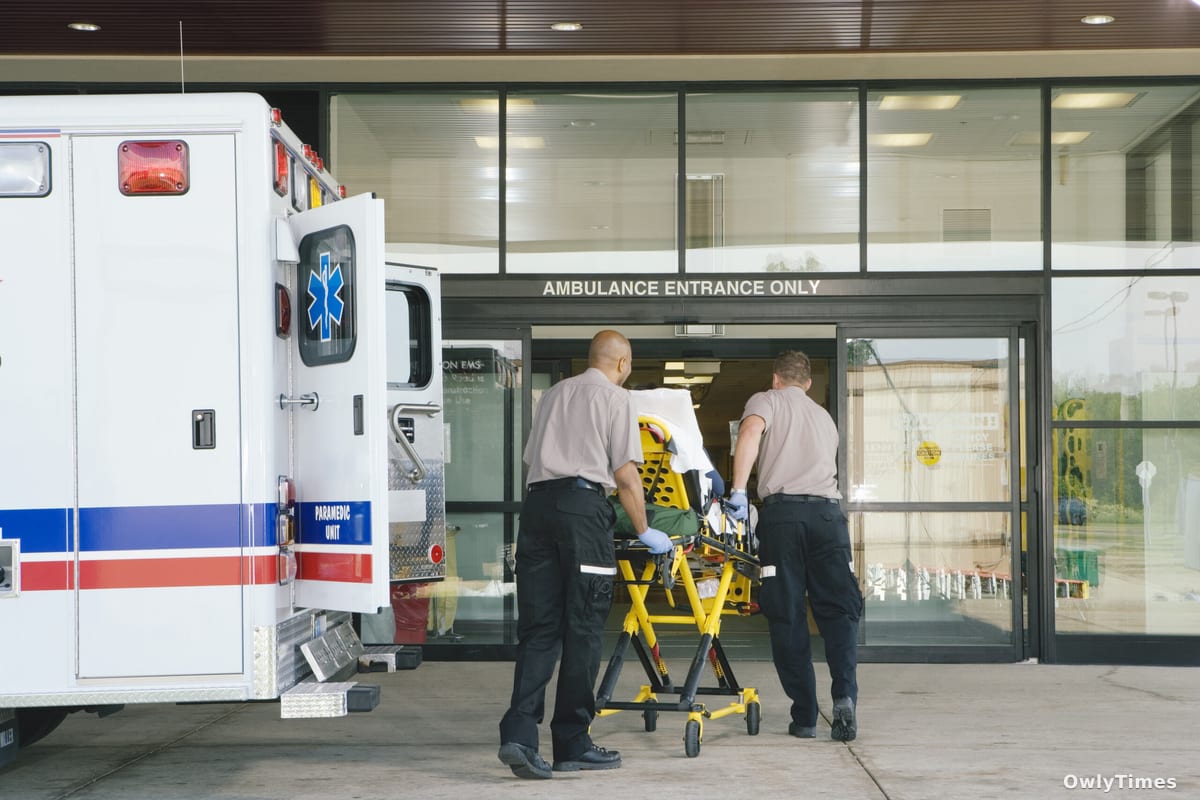
The Black Business Expo, a fixture in the Quad Cities area, represents a direct injection of capital into the local economy. While specific attendance and sales figures haven’t been released, the event’s continued success – now in its 11th year – demonstrates a sustained commitment to supporting Black-owned businesses. This is particularly noteworthy given that, according to the most recent data from the Minority Business Development Agency (MBDA), minority-owned firms still receive a disproportionately small share of venture capital funding – just 1.1% in 2024. The Expo, therefore, functions as a critical alternative funding and networking source. However, this positive economic activity is occurring alongside a demonstrable increase in demands on public safety infrastructure. The Myrtle Beach shooting, the West Florence fire, and the traffic crash all necessitate police, fire, and emergency medical services, diverting funds that could otherwise be allocated to community development initiatives like business grants or infrastructure improvements.
Weather as a Proxy for Economic Sentiment
Even the seemingly innocuous “FIRST ALERT” for a warming trend this week carries economic weight. The report, highlighting this weekend as “the best weekend we have seen so far this year,” isn’t just about pleasant weather; it’s about the potential for increased retail activity and outdoor recreation spending. A warmer spring typically translates to higher consumer spending on seasonal goods and services, boosting local economies. However, this potential benefit is tempered by the broader economic context. Inflation, while moderating, remains above the Federal Reserve’s 2% target, and consumer debt levels are historically high. The Tazewell Polar Plunge, while a charitable event, also speaks to a willingness to participate in potentially costly activities – a signal of relative disposable income, but also a potential indicator of risk-taking behavior in a search for experiences.
The Unseen Costs of Instability
The clustering of negative events – the shooting, the fire, the crash – isn’t statistically significant on its own, but it’s indicative of a broader trend. Crime rates in several mid-sized cities have seen a modest uptick in the first quarter of 2026, according to preliminary data from the FBI’s Uniform Crime Reporting (UCR) Program. While not a nationwide surge, these localized increases translate to higher insurance premiums for businesses and residents, increased security costs, and a potential chilling effect on tourism and investment. Consider Myrtle Beach: a shooting on Ocean Boulevard, a major tourist thoroughfare, could deter visitors, impacting revenue for hotels, restaurants, and other businesses. The financial impact of such incidents extends far beyond the immediate victims.
What this means for your wallet
This weekend’s events, viewed collectively, suggest a bifurcated economic reality. Local communities are demonstrating resilience and a desire to support small businesses, but they are simultaneously grappling with rising costs associated with public safety and the lingering effects of economic uncertainty. For investors, this means a continued emphasis on defensive stocks – companies providing essential services like healthcare and utilities – and a cautious approach to discretionary consumer spending. For consumers, it means being prepared for potentially higher insurance rates, increased local taxes, and a need to prioritize essential spending over non-essential purchases. The key question to watch in the coming months is whether the positive momentum of local initiatives like the QC Empowerment Network’s Expo can outweigh the drag of escalating public safety costs and persistent economic anxieties. Will communities be able to invest in their future, or will they be forced to continually address immediate crises?