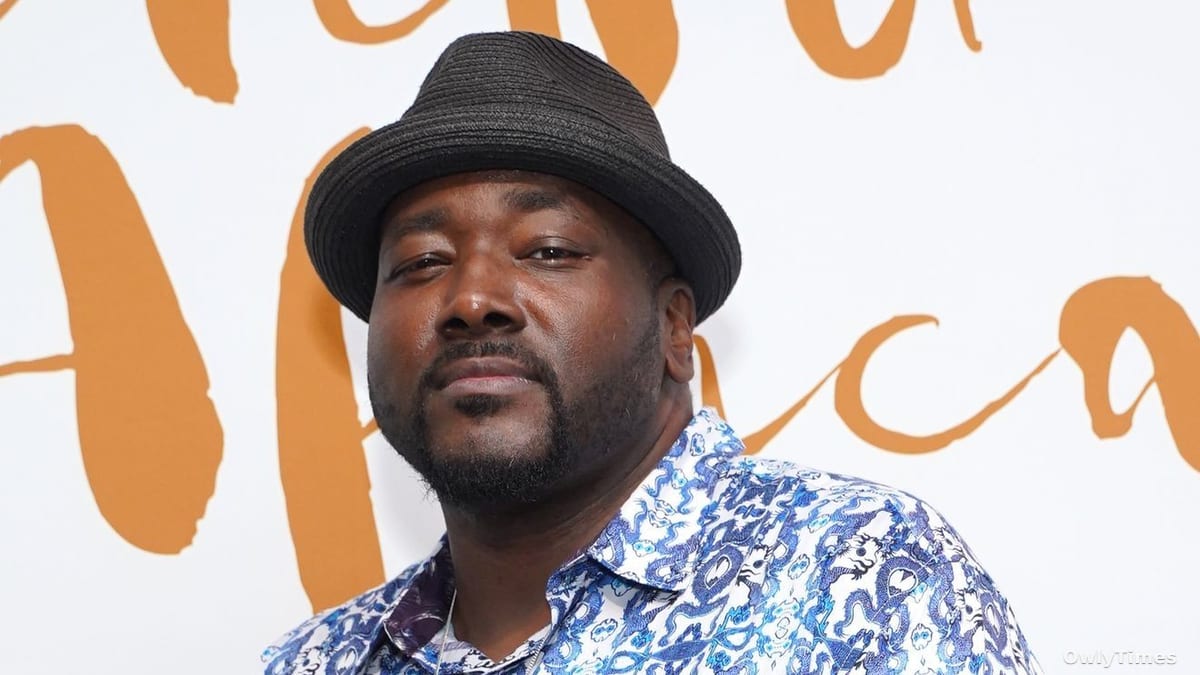

The biological mechanism of a spinal stroke involves a sudden disruption of blood flow to the spinal cord, a complex medical event that often leaves patients facing a steep, unpredictable path toward neurological rehabilitation. For actor Quinton Aaron, best known for his breakout role in the 2009 film “The Blind Side,” this physiological crisis has become the focal point of a grueling recovery process. While headlines have focused on the dramatic personal revelations surrounding his marriage, the clinical reality remains a demanding regimen of daily physical therapy designed to reclaim essential motor functions and stabilize long-term health conditions like diabetes.
The Clinical Path to Recovery
Following a fall at his home this past January, Aaron was hospitalized and subsequently spent four days in a coma. The recovery phase is now characterized by a rigorous schedule, with the actor undergoing therapy three hours a day, every day. Dr. Nithin Devireddy, medical director at the Rehabilitation Hospital of Atlanta, has been overseeing this intensive protocol.
The primary goal is the restoration of basic mobility, such as walking, alongside the management of metabolic health. While medical professionals initially projected a recovery timeline spanning several months to a full year, Aaron has publicly expressed a more optimistic outlook, citing the integration of his faith and personal resolve into his healing process. This tension between clinical projections and patient motivation is common in stroke rehabilitation, where psychological state often influences physical adherence to therapy.
Navigating Legal and Medical Barriers
During his acute care period, Aaron’s recovery was complicated by a significant discovery regarding his marital status. After marrying Margarita DeLeon in 2024, the actor learned through legal counsel that DeLeon remained legally wed to her estranged husband, Eric Guzman, whom she married in 1992. This clerical oversight meant that DeLeon lacked the legal standing to make medical decisions on Aaron's behalf during his incapacity.
The discovery necessitated a shift in his medical support structure, with hospital staff eventually restricting DeLeon’s access to the patient. Both DeLeon and Guzman have stated they were unaware the original divorce filing remained unfinalized, a discrepancy that led Guzman to officially file for divorce in February. For the patient, this revelation has served as a sobering lesson in due diligence, underscoring the importance of verifying legal and personal documentation long before a medical emergency necessitates their use.
Limitations to Consider
It is important to note that the intersection of high-profile personal drama and complex medical recovery can often obscure the granular details of rehabilitation science. While public attention is currently fixed on the dissolution of Aaron’s marriage, the physiological hurdles of a spinal stroke are rarely linear. The outcome of his recovery depends heavily on neuroplasticity—the brain and spinal cord’s ability to reorganize—which varies significantly between individuals. Whether Aaron’s stated belief in a faster-than-expected recovery will align with his neurological progress remains to be seen, as individual responses to physical therapy are often dictated by the specific severity of the initial spinal insult rather than willpower alone.
As Aaron continues his daily three-hour therapy sessions, the focus remains on his physical autonomy. The measurable progress of his ability to walk and maintain glycemic control under the guidance of Dr. Devireddy will provide the clearest signal of his long-term prognosis. For the actor, the experience has prompted a new emphasis on proactive health, with his current trajectory defined by the necessity of listening to the physical cues he admits he ignored for years.





