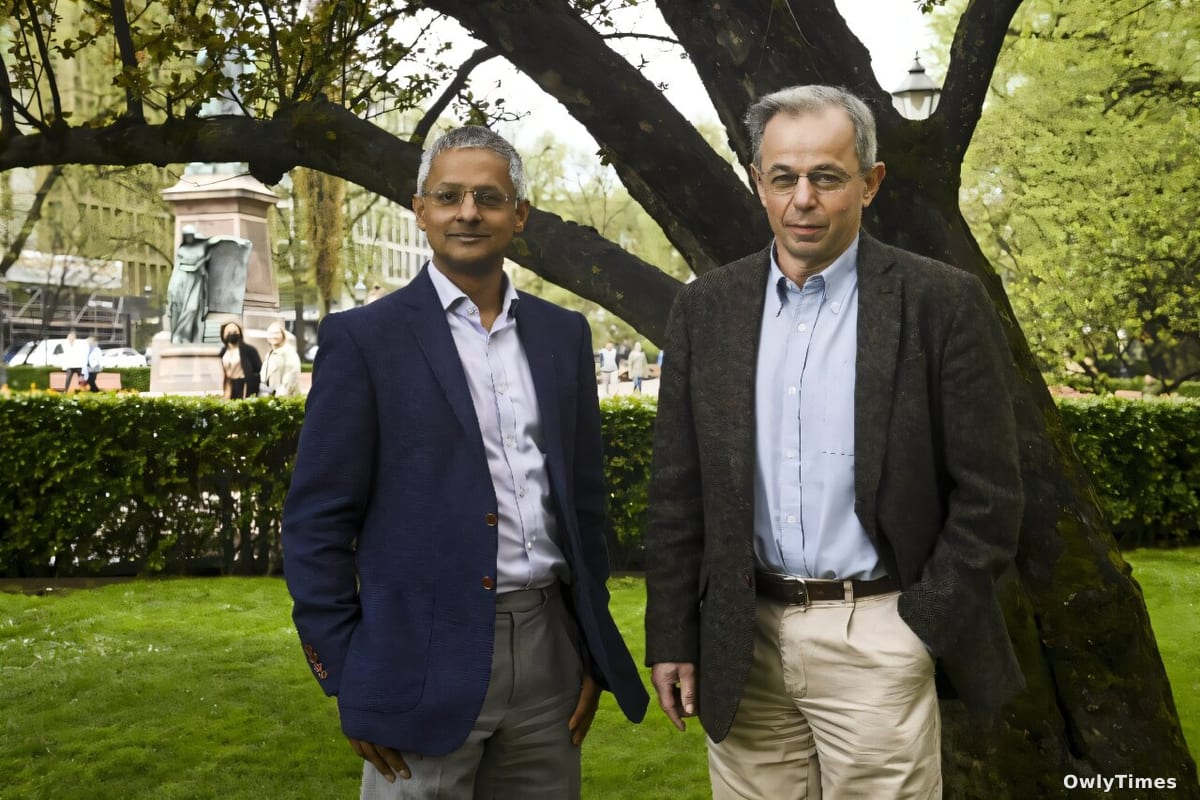

The question of how to rapidly and affordably map the very blueprint of life — our DNA — has long been a central challenge in biology and medicine. For decades, sequencing a complete human genome was a monumental task, demanding months of effort and millions of euros. This week, the scientific community celebrated a profound leap forward in addressing this challenge, as British chemists David Klenerman and Shankar Balasubramanian, alongside French biophysicist Pascal Mayer, were awarded Spain's prestigious Princess of Asturias Awards for their groundbreaking contributions to DNA sequencing technology. This recognition highlights not just an incremental improvement, but a foundational shift that has fundamentally reshaped our ability to understand disease, track pathogens, and personalize medicine.
The Breakthrough: From Months to a Day
While headlines might focus on the award itself, the true significance lies in the transformative power of the research being honored. This isn't a new discovery announced this week, but rather the acknowledgment of pivotal work that has already delivered immense benefits. Klenerman and Balasubramanian, through their biotechnology company Solexa (now Illumina), developed a commercial method for genome sequencing described by the Princess of Asturias Foundation as "rapid, cheap and efficient." Their work built upon Mayer's crucial studies into "the surface amplification of DNA," a laboratory technique that enabled the massive copying of DNA on solid surfaces. Together, these innovations dramatically scaled down the time and cost involved. What once required months and millions of euros, the official announcement states, "can now be done in a day and in a way that is thousands of times more cost-effective." This rapid acceleration has moved genomic analysis from the realm of specialized research labs into a tool increasingly vital for clinical diagnosis and public health.
Revolutionizing Disease Response and Beyond
The practical impact of these advancements became undeniably clear during the COVID-19 pandemic. Thanks to the technologies pioneered by Klenerman, Balasubramanian, and Mayer, the SARS-CoV2 virus was able to be sequenced with unprecedented speed. This rapid genomic surveillance was instrumental in understanding viral evolution, tracking its spread, and critically, allowing for the quicker development of vaccines. Beyond pandemic response, the jury of the Princess of Asturias Awards recognized the trio for "driving clinical diagnosis and research in biology, biomedicine, forensic medicine and ecology." This encompasses everything from identifying genetic predispositions to disease, understanding biodiversity, and even aiding criminal investigations. The ability to quickly and cheaply sequence DNA has become a cornerstone of modern scientific inquiry, expanding our knowledge across an astonishing breadth of disciplines, as detailed in the Phys.org article.
Limitations to Consider in the Genomic Era
While the advancements in DNA sequencing are profound, the journey of genomic medicine and research is far from complete. The ability to generate vast amounts of sequence data introduces new challenges related to data storage, analysis, and interpretation. Understanding the functional significance of every genetic variation, particularly in complex diseases, remains an active area of research. Furthermore, ethical considerations surrounding genetic privacy, data sharing, and equitable access to these powerful technologies are paramount. While the tools for sequencing are becoming more accessible, ensuring that the benefits reach all populations, regardless of socioeconomic status or geographic location, is an ongoing global endeavor. The work by companies like Illumina has democratized access significantly, but the societal implications continue to evolve.
The Path Ahead: Interdisciplinary Exploration
Looking forward, the vision articulated by Pascal Mayer offers a compelling direction for future research. "The emergence of next-generation sequencing was the result of curiosity-driven science, multidisciplinary thinking, and remarkable collaborations across institutions and countries," Mayer stated. He hopes this award will "inspire younger generations to continue exploring the fertile intersections between scientific disciplines, and to keep building a better world for our children and grandchildren." This emphasizes that the next breakthroughs will likely emerge from bridging fields—combining genomics with artificial intelligence, advanced computing, and new biological techniques. The focus will be on not just reading the genome, but truly understanding its dynamic function within living systems and translating that understanding into tangible improvements in human health and environmental stewardship. The Princess of Asturias Awards, founded in 1981, annually celebrates such pivotal contributions, having recognized US scientist Mary-Claire King last year for her work in cancer prevention, underscoring the enduring impact of genetics on "saving millions of lives." The formal ceremony, where King Felipe VI and Queen Letizia will present the 50,000 euros prize and a sculpture by Joan Miro, is scheduled to take place in October in Oviedo, serving as a significant moment to reflect on these achievements and the promising future they herald.





