
Beyond Strength Coaches: The Ravens’ Bet on Integrated Player Wellbeing
The question of how to maximize athletic performance while minimizing injury risk isn’t new to professional sports, but the answer is evolving. For decades, NFL teams have largely operated with siloed departments – strength and conditioning, medical, nutrition – each focused on their specific domain. Now, the Baltimore Ravens are signaling a significant shift, not just in organizational structure, but in their fundamental understanding of what it takes to keep players on the field. This week’s announcement of Dr. Nic Gill as Vice President of Health and Performance isn’t simply about hiring a new staff member; it’s about attempting to synthesize a holistic approach to player wellbeing, and it’s a move other teams will be watching closely.
Based on the original ravenswire.usatoday.com report.
The core of the change lies in the newly created role itself. Eric DeCosta, Ravens Executive Vice President and General Manager, described the position as overseeing strength and conditioning, medical, nutrition, and sports science under “one fully integrated system.” This isn’t merely a reshuffling of existing personnel. It’s a deliberate attempt to break down the communication barriers that often exist between these departments. Headlines have focused on the “high-performance” aspect, but the underlying principle is preventative – proactively addressing potential issues before they become debilitating injuries. The Ravens, historically a team that has battled significant injury setbacks, are clearly aiming to change that narrative.
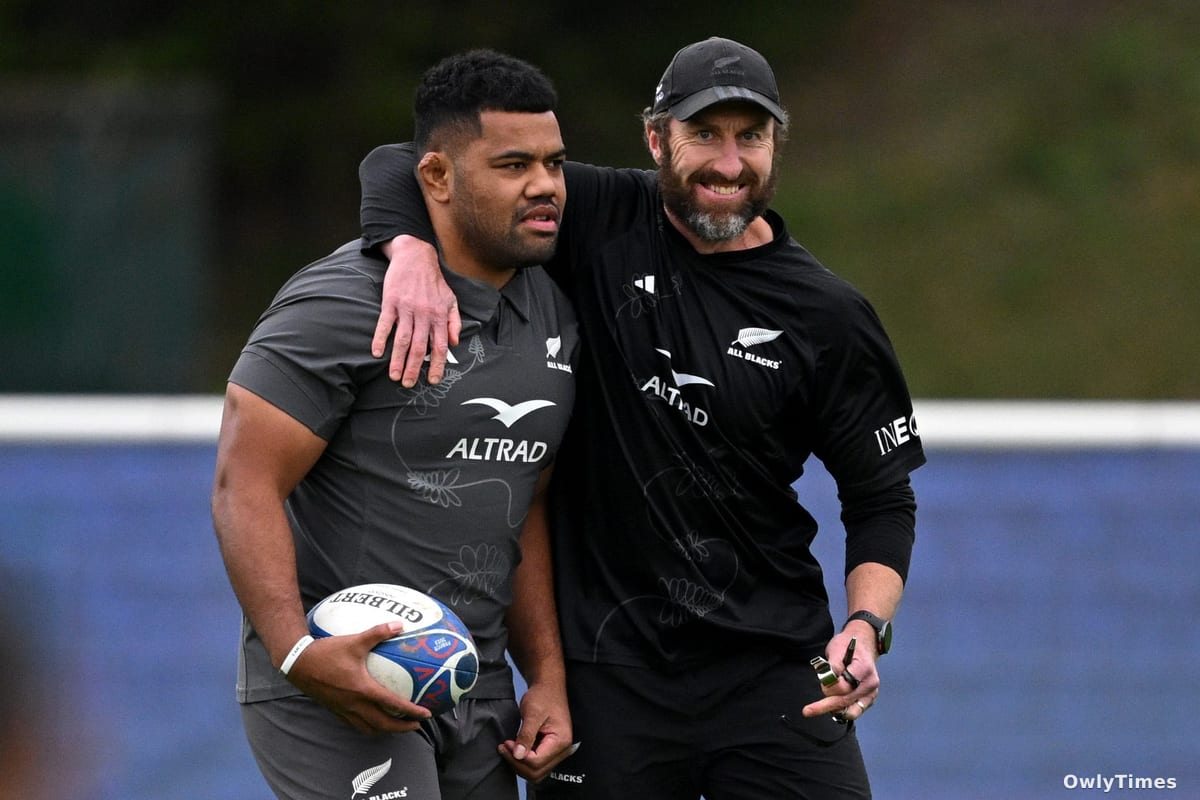
Dr. Gill, affectionately known as “Gilly,” brings a unique pedigree to the role. His nearly two decades with the New Zealand All Blacks, the nation’s celebrated rugby team, are central to his appeal. While the physicality of rugby differs from American football, the demands on athletes – explosive power, endurance, rapid recovery – are remarkably similar. Crucially, Gill’s tenure with the All Blacks included two Rugby World Cup titles, demonstrating a proven track record of optimizing performance at the highest level. DeCosta emphasized Gill’s “profound ability to impact” the All Blacks, and his skill in “developing strong lasting relationships with players,” suggesting the Ravens prioritized not just scientific expertise, but also leadership and interpersonal skills. It’s worth noting that the All Blacks’ success isn’t solely attributable to physical conditioning; their emphasis on mental fortitude and holistic wellbeing is also well-documented, and likely a component of what attracted the Ravens.
However, it’s important to temper expectations. The success of this integrated system hinges on more than just a talented individual. The NFL is a uniquely challenging environment, with a significantly shorter off-season and a far more brutal, collision-based style of play than rugby. What works for the All Blacks won’t necessarily translate directly to the NFL. Furthermore, the inherent tension between maximizing player performance now versus preserving long-term health remains a constant struggle for teams. A truly integrated system requires buy-in from all stakeholders – coaches, medical staff, and players themselves – and a willingness to prioritize long-term sustainability over short-term gains. Dr. Gill acknowledged this in his statement, expressing excitement to “build real relationships” and “learn from everyone around me,” a sentiment that suggests a collaborative, rather than dictatorial, approach.
Looking ahead, the key will be observing how this new structure impacts concrete metrics. Will the Ravens see a demonstrable decrease in soft tissue injuries, a common and often debilitating issue in the NFL? Will player availability improve, allowing key players to remain on the field for a greater percentage of games? And perhaps most importantly, will this integrated approach lead to a measurable improvement in player longevity, extending careers and reducing the long-term health consequences associated with professional football? The Ravens’ investment in Dr. Gill and this new role is a clear signal that they believe the answer to these questions is “yes.” But the real test will come not in press conferences, but on the practice field and, ultimately, on game day. The question now is: will other teams follow suit, and will the NFL as a whole embrace a more holistic, preventative approach to player health and performance?