
Beyond Strength and Conditioning: The Ravens’ Gamble on Integrated Athlete Wellbeing
The Baltimore Ravens’ recent hiring of Dr. Nic Gill isn’t simply about acquiring a “performance coach,” a label that often feels synonymous with maximizing physical output. It’s a calculated bet on a fundamentally different approach to athlete management – one that prioritizes holistic wellbeing as the foundation for peak performance, and it arrives at a moment when the NFL is quietly grappling with the long-term consequences of a historically physical game. While headlines focus on the All Blacks’ impressive win record under Gill – two Rugby World Cup victories (2011 and 2015) and a sustained international winning percentage above 800 – the significance lies in how those wins were achieved, and what that model might mean for a league facing increasing scrutiny over player safety and longevity.
The NFL has historically compartmentalized athlete care. Strength and conditioning focuses on physical prowess, medical staff on injury treatment, nutritionists on fueling the body, and sports science on data analysis. Dr. Gill, stepping into the newly created role of Vice President of Health and Performance, is tasked with dismantling those silos. This isn’t about adding another specialist; it’s about integrating existing teams under a single, unifying philosophy. General Manager Eric DeCosta explicitly stated the goal: to become an “industry standard organization,” suggesting the Ravens view this as a competitive advantage beyond simply winning games. The timing is crucial. With concussion protocols under constant review and the Players Association pushing for improved health protections, teams are under increasing pressure to demonstrate a genuine commitment to player wellbeing, not just as a PR exercise, but as a core operational principle.
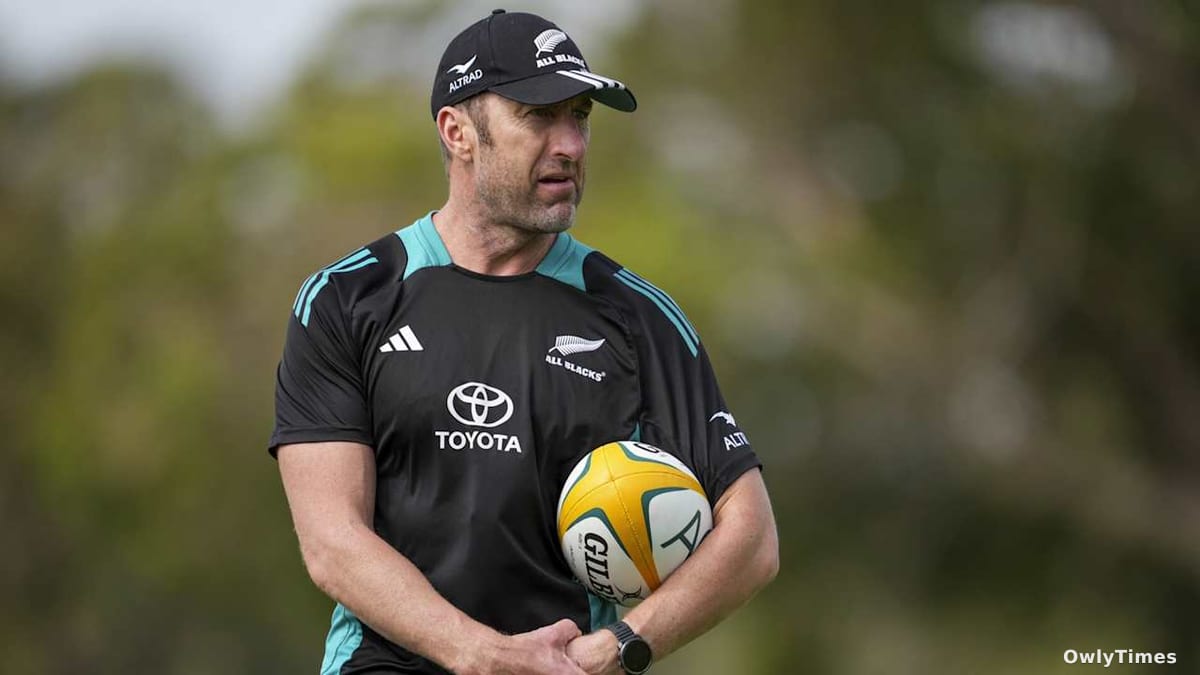
Gill’s 18-year tenure with the New Zealand All Blacks provides a compelling case study. Rugby, like American football, is a collision sport with a high risk of injury. However, the All Blacks’ sustained success wasn’t solely attributable to brute force. Gill, holding a PhD in Exercise Physiology and currently an Associate Professor at the University of Waikato, brought a research-driven approach to athlete management, emphasizing proactive health monitoring, individualized recovery strategies, and a culture of open communication. Former All Blacks Captain Sam Cane’s recent statement – “Gilly knew when to push you and when to pull back and you always knew he had your best interests at heart” – speaks volumes about the trust Gill cultivated with players, a critical element often missing in high-pressure athletic environments. This trust, built on a demonstrated concern for the athlete as a whole person, is what allows for effective implementation of demanding training regimens and honest self-reporting of injuries.
Reporting from baltimoreravens.com informs this analysis.
It’s important to acknowledge the inherent challenges in translating a successful model from rugby to American football. The physical demands, game structures, and even cultural norms differ significantly. The NFL’s collective bargaining agreement, while evolving, still presents constraints on how teams can monitor and manage player health. Furthermore, the sheer scale of the NFL – with its 32 teams and extensive player rosters – makes implementing a truly individualized approach far more complex than it was within the relatively smaller All Blacks organization. The Ravens’ investment in this position, and the explicit support from leadership like Sashi Brown and Steve Clagett Jr., suggests a willingness to navigate these complexities, but success isn’t guaranteed.
The arrival of the All Blacks to Baltimore’s M&T Bank Stadium on September 12th, to play against the Springboks, offers a unique opportunity. It’s not just a reunion for Dr. Gill; it’s a live demonstration of the culture he helped build. Observing how the All Blacks prepare, recover, and interact will provide valuable insights for the Ravens’ staff, and potentially, for the wider NFL. The critical question moving forward isn’t whether the Ravens can replicate the All Blacks’ win record, but whether they can demonstrably improve player health outcomes – reducing injury rates, extending career longevity, and fostering a more sustainable and humane approach to professional football. Will we see a measurable decrease in reported concussions or soft tissue injuries within the Ravens organization over the next three to five years, and more importantly, will players themselves report feeling more supported and empowered to prioritize their long-term wellbeing? That’s the metric that will truly define the success of this ambitious undertaking.