
The bass throbbed against the brick of the Pioneer Center, spilling onto the otherwise quiet streets of downtown Reno just after 11 p.m. last Saturday. Inside, a sold-out crowd was losing itself in the energy of a local band, a scene repeated dozens of times a week across the city’s burgeoning entertainment district. But for business owners hoping to replicate that vibrancy, a $5,000 hurdle looms large: the cost of a conditional-use permit simply to keep the music playing past 11. It’s a fee that’s become a quiet chokehold on Reno’s nightlife, and one the city council is finally beginning to address, though the path forward remains fraught with the familiar tension between economic development and quality of life.
The $5,000 Price Tag on Reno’s Vibe
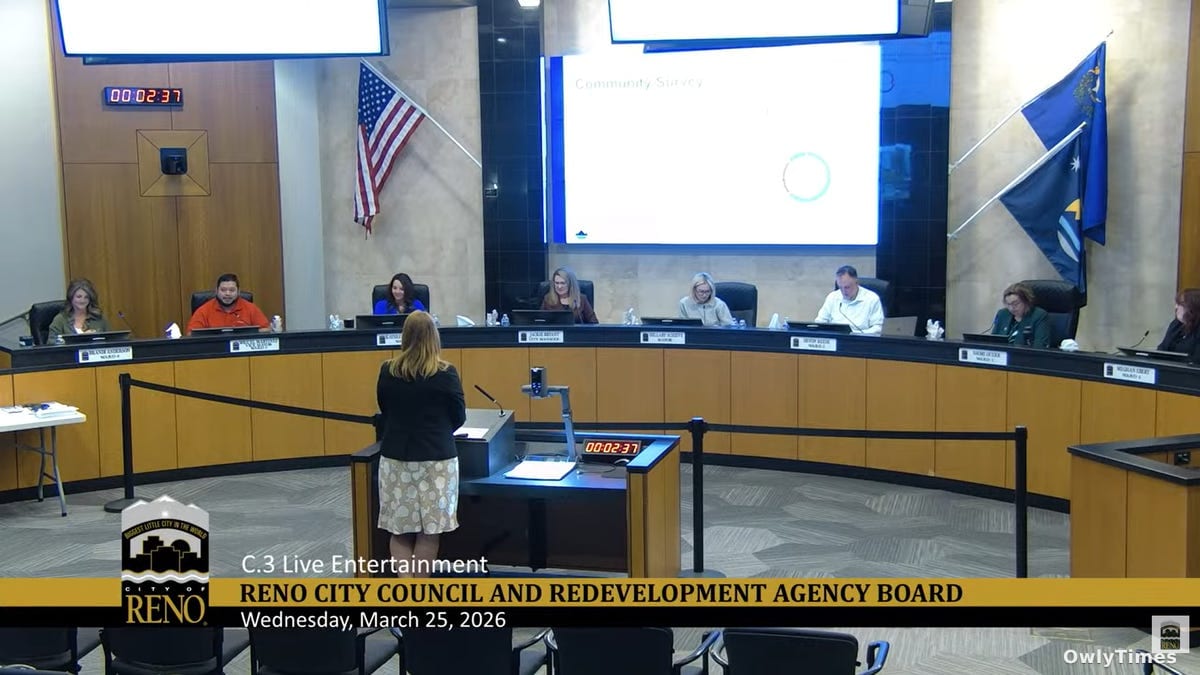
The current system, as outlined in Wednesday’s city council meeting by assistant development services director Angela Fuss, is a relic of a different Reno – one less focused on attracting a diverse, thriving downtown core. Businesses can host live music during daylight hours without issue, but once the clock strikes 11 (or 10 for outdoor events), they need a conditional-use permit to continue. These permits aren’t cheap, costing a flat $5,000, and the application process itself drags on for a grueling three months. Fuss revealed that business owners are “pleading” with the city to eliminate the requirement, arguing it stifles creativity and unfairly burdens smaller venues. This isn’t just about inconvenience; it’s about access. A $5,000 fee effectively bars emerging artists and independent venues from offering late-night entertainment, concentrating power in the hands of larger, established businesses that can absorb the cost.
Reporting from rgj.com informs this analysis.
The financial strain is particularly acute when considering Reno’s economic landscape. While the city has seen a surge in tourism and development, many businesses are still recovering from the pandemic and grappling with rising costs. To put the $5,000 fee in perspective, the average monthly rent for commercial space in downtown Reno is around $2.50 per square foot, meaning the permit cost equates to roughly 1667 square feet of rent. For a small venue, that’s a significant portion of their operating budget. The city issued 142 conditional use permits in 2023, meaning $710,000 was collected in fees. While the city argues these funds are reinvested into services, the sheer volume suggests the current system is actively hindering the growth of the entertainment sector.
Shifting Responsibility: From Property to Proprietor
Fuss presented a potential solution: tying security plans to cabaret licenses instead of land permits. Currently, conditional-use permits are attached to the property itself, meaning a change in ownership doesn’t necessarily mean a change in regulations. This creates a loophole where new owners, potentially less considerate of their neighbors, can operate under the same rules as their predecessors. Cabaret licenses, however, are granted to the business owner, placing the onus of responsible operation directly on them. “That would give us more teeth to be able to enforce something that they agreed to,” Fuss explained, suggesting a more proactive approach to managing noise complaints and ensuring a harmonious balance between entertainment and residential life.
This shift in responsibility is a crucial point. It acknowledges that the problem isn’t necessarily the existence of late-night entertainment, but the management of it. By focusing on individual business practices and security protocols, the city could potentially address noise concerns without imposing a blanket financial burden on all venues. However, it also raises questions about enforcement. Will the city have the resources to adequately monitor and regulate these security plans? And will the threat of license revocation be a sufficient deterrent for businesses willing to risk violating the rules?
A Downtown Dilemma: Growth vs. Quiet
The debate over Reno’s live entertainment policies highlights a broader struggle facing many rapidly developing cities: how to balance economic growth with the needs of residents. Council member Kathleen Taylor, representing Ward 1, which encompasses the downtown area, voiced her support for removing barriers to business while simultaneously acknowledging the need to address noise complaints. “She also wants to get rid of the bad actors faster,” reported Jaedyn Young of the Reno Gazette-Journal, whose work is funded by reader donations. This sentiment encapsulates the core challenge: fostering a vibrant downtown atmosphere without sacrificing the quality of life for those who live there.
The current system, with its hefty fees and lengthy delays, appears to be failing on both fronts. It discourages businesses from investing in late-night entertainment, potentially limiting the city’s economic potential, while also failing to effectively address noise concerns. The conditional-use permit process doesn’t proactively prevent disruptive behavior; it simply creates a financial barrier to entry. The city’s reliance on reactive enforcement – responding to complaints after they’ve been filed – is a symptom of a system that lacks foresight and preventative measures.
The city council is expected to revisit the issue in April, with Fuss promising a potential resolution. But the real question isn’t just whether to eliminate the conditional-use permit, but how to create a sustainable framework for late-night entertainment that benefits both businesses and residents. Will Reno embrace a proactive, collaborative approach that prioritizes responsible operation and community engagement? Or will it continue to rely on outdated regulations that stifle innovation and perpetuate a cycle of conflict? The answer will not only shape the future of Reno’s nightlife, but also serve as a case study for cities across the country grappling with the same complex challenges.