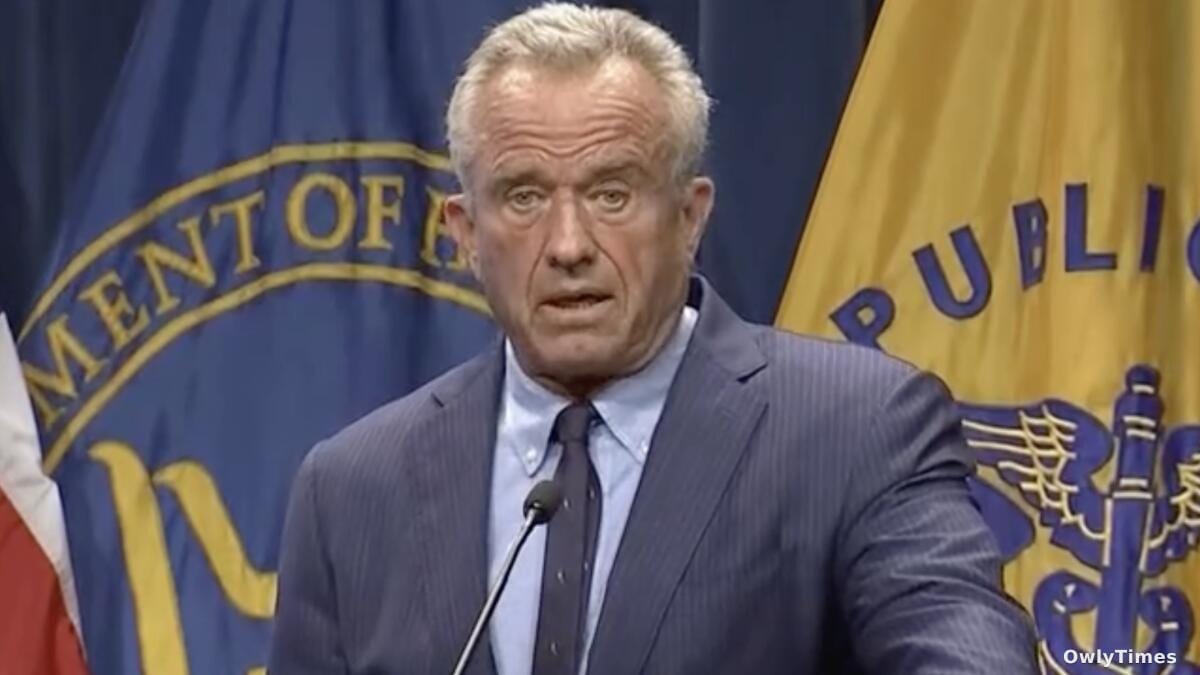

The uneasy peace between public investment in medical research and private pharmaceutical development is fracturing, and the recent turmoil surrounding Moderna’s flu vaccine application is a stark symptom of a deeper disruption. For decades, a system has functioned – albeit imperfectly – where the National Institutes of Health (NIH) funds foundational scientific discovery, and private companies translate those findings into marketable therapies. This arrangement, responsible for the research underpinning every new drug approved by the FDA between 2010 and 2019 – a body of work fueled by $22,000 patents according to a 2020 study – is now facing unprecedented challenges under the leadership of Robert F. Kennedy Jr. at the Department of Health and Human Services (HHS). The current situation isn’t simply about one vaccine; it’s about a fundamental shift in how we approach drug development, regulatory oversight, and ultimately, public health.
The immediate trigger for concern was the February 3rd “Refuse-to-File” (RTF) letter issued by the FDA to Moderna regarding its mRNA-based flu vaccine. This wasn’t a standard rejection based on incomplete data, but a refusal to even review the data from a trial involving nearly 44,000 participants. Headlines screamed about FDA obstruction, but the nuance is crucial: the FDA, now under the direction of vaccine critic Vinay Prasad, argued Moderna hadn’t adhered to 2024 guidance on clinical trial design. Moderna vehemently disputes this, stating they received prior approval for their protocol and that the FDA raised no objections before the trial began in September 2024. While the FDA has since reversed course and agreed to review the application following an appeal, the initial decision and the subsequent reversal highlight a worrying lack of consistency and transparency within the agency. It’s important to remember that RTF letters are relatively rare – a 2021 analysis in the Journal of the American Medical Association found they occur in only about 4% of drug applications.
This article draws on reporting from the Los Angeles Times.
This incident isn’t isolated. Kennedy Jr.’s tenure as HHS Secretary has been marked by a series of actions perceived as hostile to established public health practices. He terminated $500 million in government contracts for mRNA research, claiming the vaccines “fail to protect effectively” against upper respiratory infections – a claim directly contradicted by experts like Bill Hanage of Harvard, who points out mRNA vaccines have “saved millions of lives” during the COVID-19 pandemic. Furthermore, Kennedy has reshaped key advisory committees, replacing seasoned experts with vaccine skeptics, including appointing Kirk Milhoan as chairman of the CDC’s Advisory Committee on Immunization Practices (ACIP). Milhoan’s public questioning of the necessity of vaccines like polio and measles, given perceived improvements in modern pediatric care, is particularly alarming, framing vaccination as a matter of “individual autonomy” rather than a cornerstone of public health.
The consequences of this shift are already visible. Measles, declared eliminated in the U.S. in 2020, is resurging, with 910 cases reported this year – a trajectory poised to surpass the 2,280 cases recorded in 2023, the largest outbreak since 1992. This increase directly correlates with declining vaccination rates, which have fallen below the 95% threshold needed for “herd immunity,” leaving approximately 286,000 kindergartners vulnerable. In South Carolina, currently experiencing the most severe outbreak with 616 cases, the measles vaccination rate has dropped to 91.2%. Kennedy’s decision to move several vaccines to “shared clinical decision-making” – including those for rotavirus, COVID-19, and influenza – further exacerbates this risk, potentially eroding insurance coverage for these vital preventative measures.
However, it’s crucial to acknowledge the legitimate criticisms of the existing system. The original bargain – public funding of basic research followed by private development – has often resulted in exorbitant drug prices, with companies profiting handsomely from discoveries made with taxpayer dollars. The government has never exercised its “march-in rights” to compel lower pricing or broader access, a failure that continues to fuel public frustration. But dismantling the system without a clear alternative, and injecting ideological opposition into regulatory processes, is a dangerous gamble. The FDA’s inconsistent application of standards, as highlighted by genomics expert Ruxandra Teslo, creates uncertainty for the entire industry, hindering long-term investment and innovation.
The current situation demands careful observation. Will the FDA continue to exhibit this erratic behavior, or will the reversal on the Moderna application signal a return to more predictable regulatory practices? More importantly, will we see a further erosion of public trust in vaccines and established public health recommendations, and what will be the resulting impact on disease incidence? The question isn’t simply whether Kennedy Jr.’s policies are effective, but whether they are actively undermining decades of progress in protecting public health, and whether the pursuit of “radical transparency” has inadvertently created a climate of chaos and distrust. We must watch closely for the next measles outbreak, not just for the number of cases, but for the specific demographics affected and the reasons behind any further declines in vaccination rates. The future of preventative medicine may well depend on it.





