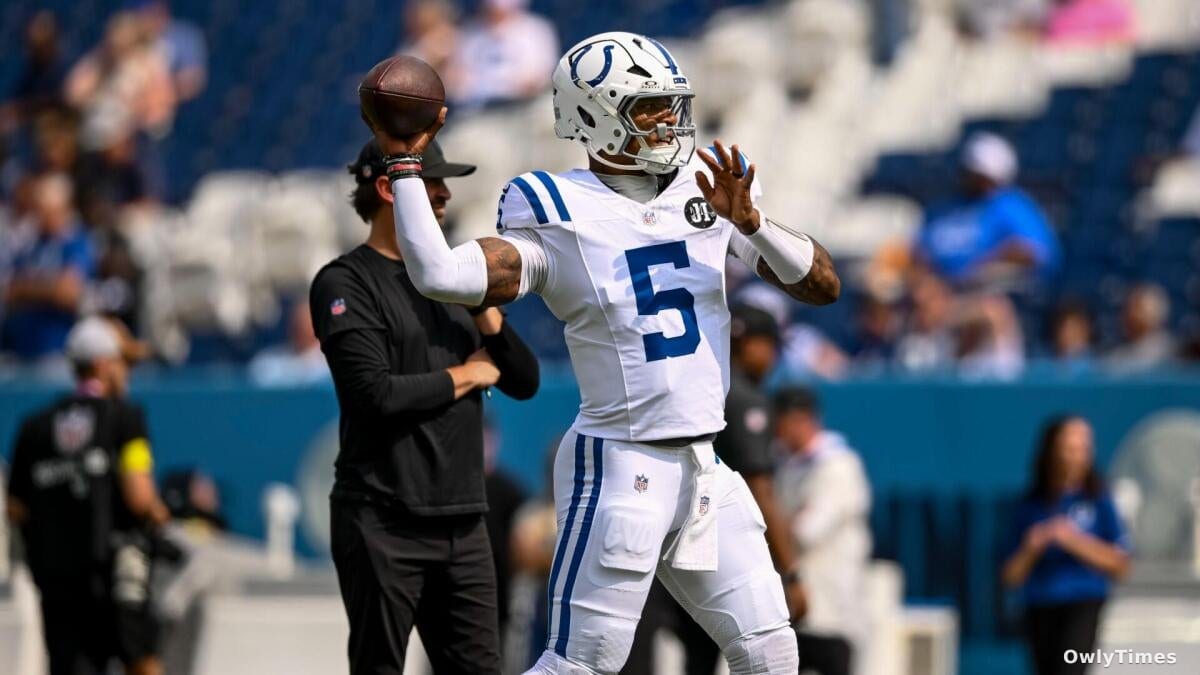

The stretching band snapped with a quiet violence, a sound lost in the pre-game din of Lucas Oil Stadium last October. For Anthony Richardson, it wasn’t just a broken band, but a fractured orbit, and with it, a fracturing of hope in Indianapolis. Now, less than two years after being drafted fourth overall, the Indianapolis Colts are openly shopping their supposed franchise quarterback, a move that speaks volumes about the brutal realities of the NFL and the precarious nature of potential. This isn’t simply a story about a struggling player; it’s a reflection of a league increasingly hesitant to wait for raw talent to blossom, and a fanbase left wondering if they ever truly saw the real Anthony Richardson.
The Weight of Expectations & A History of Hurt
The Colts’ decision, reported Thursday by NFL Network and ESPN, to allow Richardson to explore trade options isn’t a shock, but it’s a stark admission. General Manager Chris Ballard publicly stated this week that Richardson is cleared to play, a positive development after a litany of injuries. But clearance isn’t opportunity. The arrival of Daniel Jones, formerly of the New York Giants, effectively relegates Richardson to a backup role, a fate particularly cruel for a player drafted with such fanfare. The Colts invested heavily – a top-four pick, and the promise of a dynamic, dual-threat quarterback – and have received just 17 games and 15 starts in return. His rookie stats – 577 passing yards, 3 touchdowns, 1 interception, and a surprising 136 rushing yards with 4 touchdowns – hinted at the potential, but also underscored the rawness. The 2023 season ended after just four games due to a shoulder injury, and 2024 was derailed by the orbital fracture, then compounded by hip, back, and foot issues.
Drawn from CBS Sports.
This pattern isn’t unique, but it’s accelerating. The NFL’s emphasis on immediate results, fueled by the pressure of short coaching leashes and demanding fanbases, leaves little room for prolonged development. Consider the league average for games started by quarterbacks drafted in the top five: roughly 60-70 games within their first three seasons. Richardson is barely halfway there. The financial implications are also significant. If the Colts don’t exercise his fifth-year option, he’ll be a free agent after the 2025 season, potentially walking away without the team recouping its initial investment. This isn’t just about football; it’s about asset management in a billion-dollar industry.
The Darnold Precedent & The Shifting QB Landscape
The Colts’ move feels particularly poignant when viewed through the lens of recent NFL history. The league has seen a surge of quarterbacks finding success after leaving their original teams. The most compelling example is Sam Darnold, the former New York Jets bust who resurrected his career with the Seattle Seahawks, culminating in a Super Bowl appearance. Darnold’s journey, bouncing through four teams before finding a stable environment and a system that suited his strengths, offers a glimmer of hope for Richardson. But it also highlights a systemic problem: teams are often too quick to discard talent, failing to recognize that a change of scenery, a different coaching staff, or a more supportive environment can unlock a player’s potential.
The current quarterback market is flooded with options, both established veterans and promising young players. This increased competition further diminishes the patience teams have for developing unproven commodities. The rise of mobile quarterbacks like Patrick Mahomes and Jalen Hurts initially fueled the hype around Richardson’s skillset, but it also raised the bar for performance. Simply being athletic isn’t enough; quarterbacks must demonstrate accuracy, decision-making, and the ability to read defenses consistently.
Beyond the Headlines: The Human Cost of NFL Turnover
The narrative surrounding Richardson often focuses on the Colts’ strategic missteps or the player’s injury woes. But lost in the analysis is the human element. Richardson is 23 years old, a young man whose professional life has been defined by setbacks and uncertainty. The constant scrutiny, the pressure to perform, and the physical toll of the game are immense. His agent, Deiric Jackson, deserves credit for proactively seeking a trade, recognizing that a fresh start might be the best path forward for his client’s career and mental well-being. This isn’t just about maximizing value; it’s about protecting a young player from a potentially toxic situation.
The Colts’ decision also raises questions about their evaluation process. Did they adequately assess Richardson’s injury history and risk factors before drafting him? Did they provide him with the necessary support and resources to succeed? These are uncomfortable questions, but they’re essential for understanding the broader patterns of failure in the NFL. The league’s obsession with finding the “next big thing” often leads to hasty decisions and unrealistic expectations.
The situation with Anthony Richardson isn’t just a Colts problem; it’s a league-wide symptom. Will teams learn from this case and adopt a more patient, holistic approach to quarterback development? Or will the pressure for immediate results continue to drive a cycle of turnover and disappointment? The next few weeks will be crucial, not just for Richardson’s career, but for the future of how the NFL values – and ultimately, treats – its most important players. We’ll be watching closely to see if another team is willing to bet on the potential that Indianapolis seems to have abandoned.

