
Beyond the Headlines: A Tegu in Rhode Island Reveals Unexpected Connections in Frostbite Treatment
The image of a giant lizard discovered shivering in a Providence, Rhode Island snowdrift understandably captured attention. Headlines focused on the sheer improbability of a South American tegu, named Frankie by her rescuers, surviving a New England winter. But the story unfolding at the New England Wildlife Center isn’t simply a tale of an exotic animal out of place; it’s a compelling demonstration of how veterinary medicine is increasingly reliant on, and informed by, human medical knowledge – and a stark reminder of the consequences of the exotic pet trade. The case of Frankie’s frostbite, specifically, is pushing the boundaries of what’s known about reptile physiology and treatment, revealing a surprising lack of established veterinary protocols and a reliance on human medical case studies.
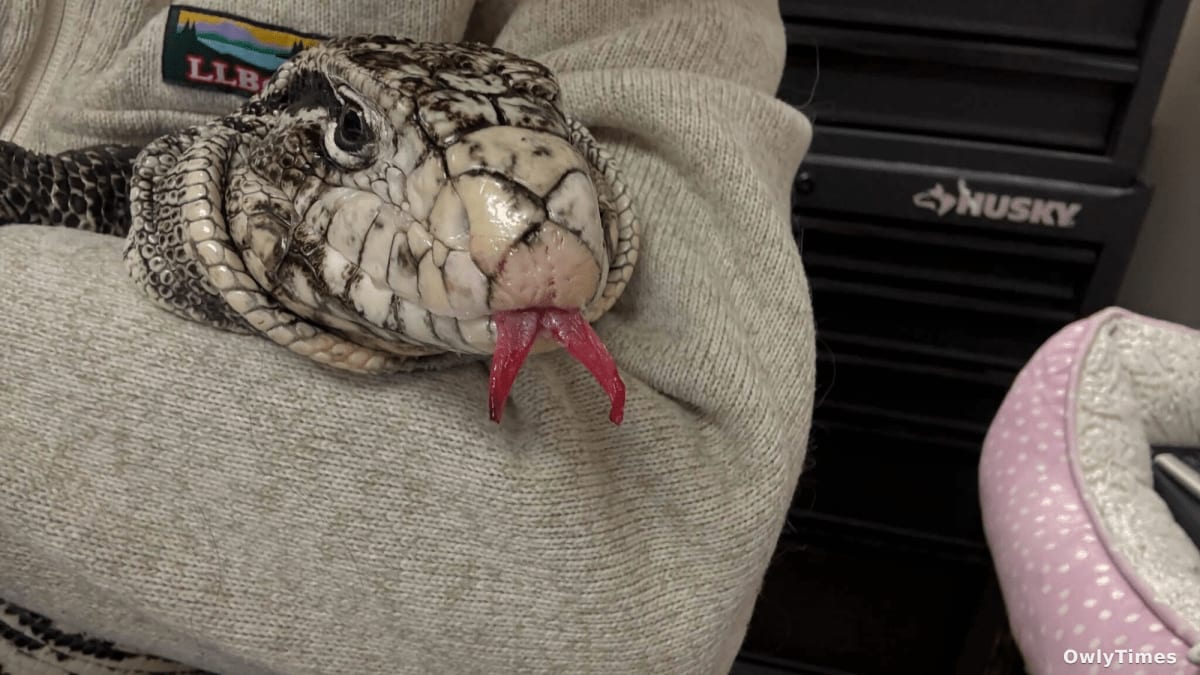
The initial assessment by Tess Gannaway, a veterinarian at the New England Wildlife Center, revealed dehydration and frostbite affecting Frankie’s tongue and toes. While cold-induced tissue damage is common in animals, the extent and location of Frankie’s injuries – particularly the severe frostbite on her tongue – were unusual. Tegus, like many reptiles, are ectothermic, meaning they rely on external sources to regulate their body temperature. This makes them vulnerable to extreme cold, but frostbite affecting the delicate tissues of the tongue is rarely documented in veterinary literature. Gannaway suspects Frankie was likely a pet who either escaped or was abandoned, unable to retract her tongue quickly enough as temperatures plummeted. The blackening tissue visible on the tip of her tongue is, unfortunately, dead and requires ongoing intervention.
What’s particularly striking is the methodology the team employed to determine a course of treatment. Faced with a complete absence of published veterinary accounts of similar tongue frostbite, Gannaway and her team turned to human medical literature. They identified a case report detailing a patient who experienced unintentional tongue freezing during a medical procedure. Doctors successfully treated the patient by repeatedly removing the necrotic, or dead, tissue, allowing the remaining tissue to heal. This approach, mirroring the human protocol, is now being applied to Frankie, with the team aiming to debride – remove the dead tissue – every two to three weeks. This isn’t simply a matter of adapting a human treatment; it highlights a fundamental principle Gannaway describes as “one health,” the interconnectedness of human and animal health, and the potential for cross-disciplinary learning.
This piece references the popsci.com report.
However, it’s crucial to acknowledge the limitations to consider when extrapolating from human medicine to reptile care. Reptilian physiology differs significantly from that of mammals, including variations in blood flow, immune response, and tissue regeneration. While tongues are known to heal relatively quickly, the success of the human protocol in Frankie’s case doesn’t guarantee a complete recovery. Furthermore, the origin of Frankie’s predicament – likely a privately owned exotic pet – raises broader concerns. The exotic pet trade often lacks robust regulation, leading to animals being kept in unsuitable environments and, tragically, abandoned when owners are unable or unwilling to provide adequate care. The number of non-native reptiles found in New England is increasing, with 17 tegus reported to authorities in 2023 alone, a significant jump from previous years.
The New England Wildlife Center team remains “cautiously optimistic,” noting Frankie’s positive response to the initial debridement and her transition to solid food. They will continue to monitor her tongue bi-weekly, adjusting treatment as needed. But the story of Frankie the tegu isn’t just about one lizard’s survival. It’s a case study in veterinary innovation, a testament to the power of interdisciplinary collaboration, and a call for greater awareness regarding the responsibilities associated with owning exotic animals. As more non-native species appear in unexpected climates, we should anticipate further instances requiring creative problem-solving and a willingness to look beyond traditional veterinary boundaries. The question now is: will we also see a corresponding increase in regulations and public education aimed at preventing these situations from occurring in the first place?