
$15 million is the price tag Roberts Hawaiʻi is betting will redefine entertainment on Oʻahu, but the real story isn’t about a new nightclub – it’s about a calculated pivot away from a tourism-dependent business model and a strategic embrace of the kamaʻāina market. The transportation giant’s new venue, Limelight Hawaiʻi, slated to soft open March 20th on the grounds of the Ala Moana Hotel, represents a significant diversification play, born directly from the economic fallout of the COVID-19 pandemic. Follow the money, and you’ll see a company proactively addressing a fundamental risk to its bottom line: over-reliance on visitor spending.
Originally conceived as a permanent home for Roberts Hawaiʻi’s long-running “Magic of Polynesia” show, the 6,000-square-foot space – formerly Hawaiian Hut – underwent a dramatic reimagining when pandemic lockdowns shuttered the tourism industry. While many hospitality businesses doubled down on attracting the dwindling tourist flow, Roy Pfund, president and CEO of Roberts Hawaiʻi, saw an opportunity to build resilience by cultivating a local customer base. This wasn’t simply a matter of goodwill; it was a pragmatic response to a 2020 where tourism revenue plummeted across the state, impacting businesses of all sizes. The $15 million investment, including the initial purchase of the venue, signals a long-term commitment to this strategy.
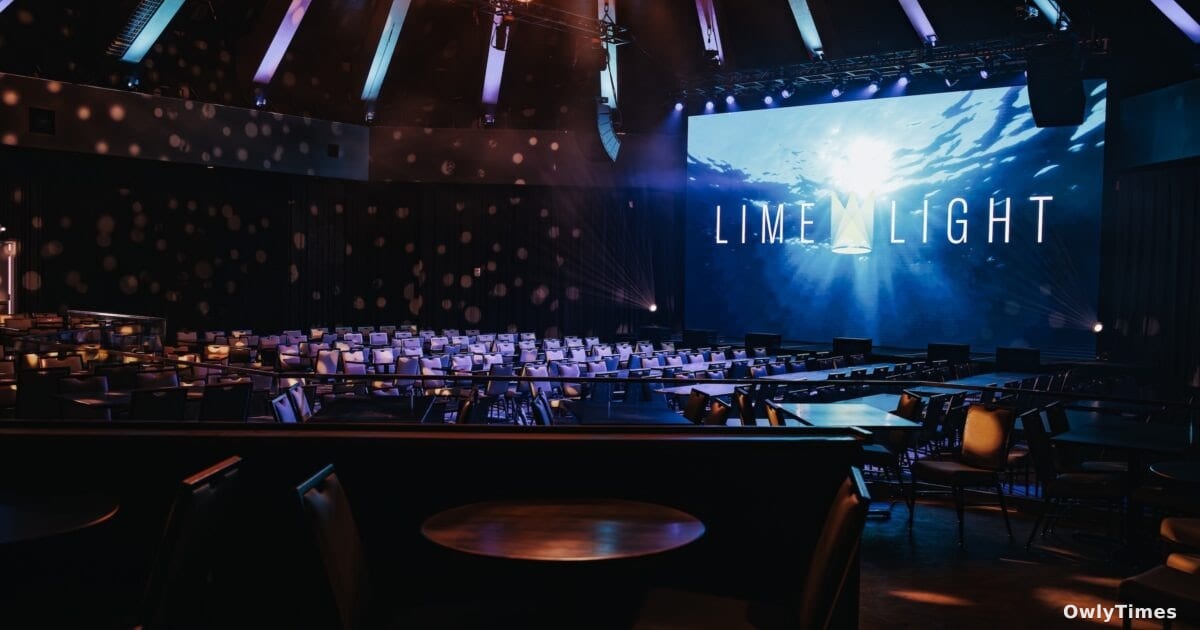
The shift is particularly noteworthy given Roberts Hawaiʻi’s existing portfolio. The company’s core business remains transportation services for tourists – shuttles to Hanauma Bay, packages to lūʻaus, and contracts with major hotels. While these segments are recovering, the company’s decision to launch Limelight Hawaiʻi demonstrates an understanding that pre-pandemic levels of tourism may not be the “new normal.” The venue’s flexible design – accommodating up to 900 people with varying configurations – is key. It’s not a dedicated concert hall or a fixed-seating theater; it’s a blank canvas for weddings, corporate events, fashion shows, and, crucially, events driven by local demand. This adaptability is a direct response to the unpredictable nature of event planning in a post-pandemic world.
Reporting from alohastatedaily.com informs this analysis.
This move also leverages a unique internal asset: Roberts Hawaiʻi’s employee-owned structure. As an ESOP (employee stock ownership plan) company, Pfund anticipates drawing on its existing workforce of an estimated 50-60 employees to staff the venue, providing staffing flexibility and potentially reducing labor costs. This is a significant advantage in a tight labor market, where Hawaiʻi’s hospitality industry continues to struggle with staffing shortages. The company’s internal Super Bowl preview, utilizing the venue’s 4K LED screen and high-end audio system (consulted on by experts handling national touring acts), served as a successful test run, demonstrating the space’s potential to attract local gatherings.
The appointment of Jim Gillespie as executive chef, bringing over 30 years of experience at prominent Hawaiʻi restaurants, and Jeff Marcello as general manager, further underscores the commitment to quality and a sophisticated experience. Marcello’s statement emphasizing the fusion of “island-inspired flavors with modern favorites” suggests a deliberate attempt to cater to local palates and preferences, a departure from the often-generic offerings targeted at tourists. This isn’t about simply offering a space; it’s about curating an experience designed to resonate with the kamaʻāina community.
What this means for your wallet: While Limelight Hawaiʻi won’t directly impact your grocery bill, it signals a broader trend of businesses diversifying revenue streams and prioritizing local markets. Expect to see more companies offering tailored experiences and services for residents, potentially leading to increased competition and more attractive pricing for entertainment and event options. The key question now is whether Roberts Hawaiʻi can successfully capture a significant share of the kamaʻāina entertainment market and demonstrate that a diversified business model can deliver sustainable growth, even as tourism rebounds. Will other major players in Hawaiʻi’s hospitality sector follow suit, or will they remain tethered to the fluctuations of the visitor economy?