
Beyond Individual Honors: What the Health Care Heroes Awards Reveal About Rochester’s Shifting Priorities
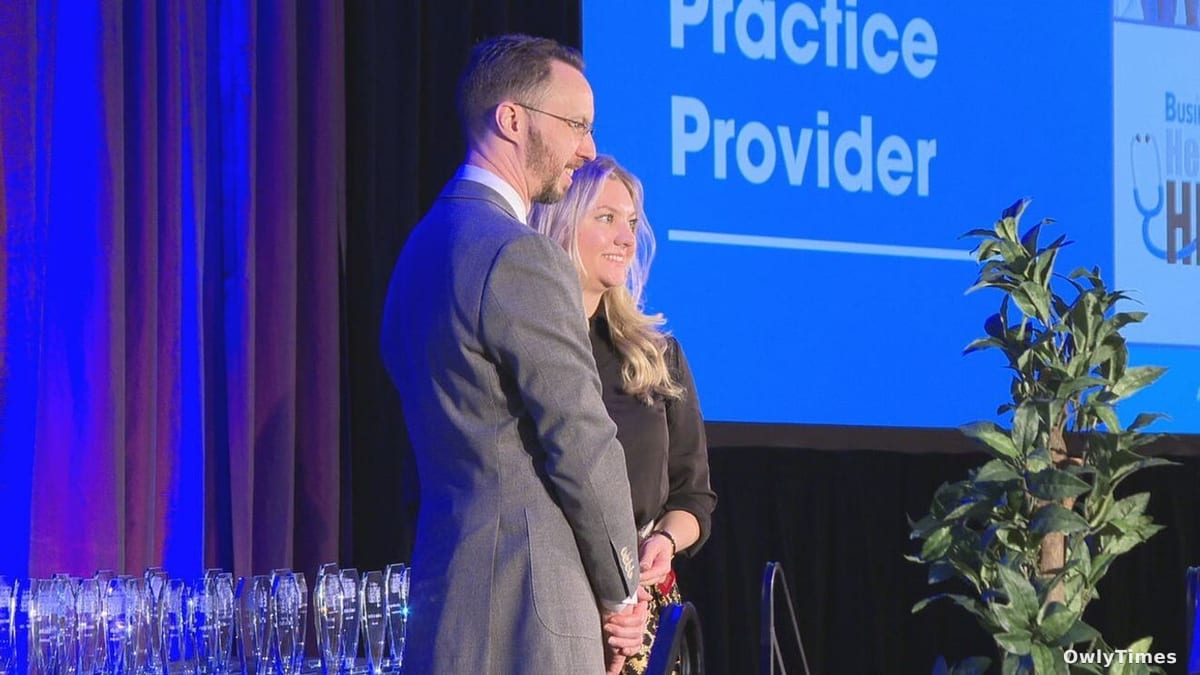
The Rochester Business Journal’s annual Health Care Heroes celebration, held Tuesday, March 10, 2026, wasn’t simply a gala recognizing 39 individuals and organizations. It was a snapshot of a healthcare landscape actively recalibrating – a landscape moving beyond acute care and increasingly focused on community-level support, preventative measures, and addressing disparities in access. While celebratory events often highlight exceptional achievements, a closer look at who was honored and in what categories reveals a subtle but significant shift in what Rochester considers “heroic” in healthcare. The event, held at the Joseph A. Floreano Rochester Riverside Convention Center, recognized contributions ranging from innovative patient check-in systems to dedicated nursing care for individuals with intellectual and developmental disabilities, signaling a broadening definition of health and well-being.
The most striking aspect of this year’s awards isn’t the sheer number of honorees, but the prominence given to roles traditionally considered “behind the scenes.” For example, Penny Bloom, nursing services manager for Catholic Charities Family and Community Services, received recognition as a Nurse Hero for her work supporting 13 homes for individuals with intellectual and developmental disabilities. Bloom, a veteran of CCFCS since 1992, articulated a philosophy that underscores this shift: “All abilities matter,” she stated in an interview with 13WHAM, “And everyone deserves dignity and the right to a great life.” This isn’t a groundbreaking statement in principle, but its elevation to “heroic” status within a business-focused awards ceremony speaks volumes. Historically, these awards have leaned heavily toward physicians, hospital administrators, and those driving medical innovation – areas often associated with high revenue generation. The inclusion of Bloom, and others like Yolanda Davis recognized for her work with Empowering People’s Independence in the Special Needs category, suggests a growing acknowledgement that true healthcare impact extends far beyond the hospital walls.
Original reporting: 13wham.com.
This emphasis on community-based care isn’t occurring in a vacuum. Rochester, like many cities, is grappling with an aging population, increasing rates of chronic disease, and persistent health inequities. The awards reflect a response to these challenges. The “Health Care Innovation” category, for instance, highlighted Daily Patient Check (DPC) from Rochester Regional Health and Jennifer Lambert from CooperVision, Inc., both focused on improving patient experience and access to care. However, it’s crucial to understand that “innovation” in this context doesn’t necessarily equate to cutting-edge technology. DPC, for example, is a streamlined communication system, and Lambert’s work focuses on optimizing contact lens wear – improvements that address practical barriers to care rather than developing entirely new treatments. This pragmatic approach to innovation is a hallmark of a system attempting to maximize existing resources to serve a wider population.
It’s important to acknowledge the limitations of drawing broad conclusions from a single awards ceremony. The Rochester Business Journal’s selection criteria, while undoubtedly rigorous, are still subjective. The honorees represent a fraction of the dedicated healthcare professionals working in the region, and the awards may not fully capture the breadth of ongoing efforts. Furthermore, the event’s sponsorship and the Business Journal’s own priorities could subtly influence the selection process. It’s also worth noting that while the awards highlight a shift towards community care, they don’t necessarily indicate a corresponding shift in funding or policy. The recognition is valuable, but it doesn’t automatically translate into systemic change.
Looking ahead, the critical question isn’t whether Rochester recognizes the importance of holistic, community-based healthcare, but whether it will invest in it. The next phase of research should focus on tracking how these celebrated initiatives are scaled and sustained. Will the momentum generated by the Health Care Heroes awards translate into increased funding for organizations like Catholic Charities Family and Community Services? Will policies be adjusted to incentivize preventative care and support services for vulnerable populations? The true measure of success won’t be the number of awards given, but the tangible improvements in health outcomes for all residents of Rochester – and whether the city can proactively address the inevitable challenges of an evolving healthcare landscape.





