
Beyond Check-Ups: Why Atlanta’s Black Health Matters Summit Signals a Shift in Preventative Care
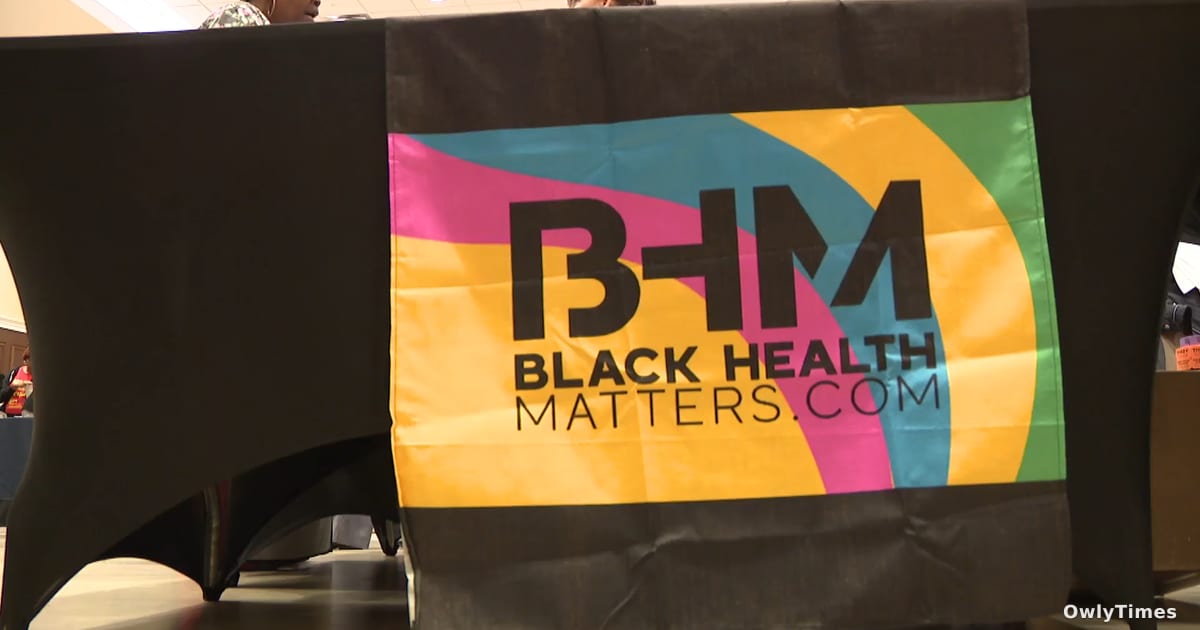
The return of the Black Health Matters (BHM) Winter Health Summit to Atlanta’s Friendship Baptist Church this past Saturday isn’t simply a story about free health screenings and fitness classes. It’s a response to a growing, and often overlooked, tension within the American healthcare system: the persistent disparity in health outcomes experienced by the Black community, even – and sometimes because of – increased access to care. While national conversations around healthcare often focus on insurance coverage and cost, the BHM summit, and the organization’s broader mission, underscores a critical point: access isn’t the same as equitable engagement with preventative health measures. The event, attended by hundreds and supported by over 28 community partners, represents a deliberate effort to move beyond simply treating illness and towards cultivating a culture of wellness within Atlanta’s Black community.
The core of this approach, as articulated by Roslyn Young Daniels, CEO of Black Health Matters, is a recognition that healthcare has become increasingly politicized. In a recent interview with CBS News, Daniels noted the organization’s resurgence is a direct response to this climate, stating, “Black health matters is alive and well in Atlanta…You all are here, and it sends a signal.” This “signal” isn’t merely about visibility; it’s about reclaiming agency over health decisions and actively participating in medical advancements. Daniels explicitly linked the summit to increasing awareness and participation in medicine, particularly clinical trials, a crucial area where Black representation remains significantly low despite disproportionately bearing the burden of many diseases. This lack of representation can lead to treatments that are less effective, or even harmful, for Black patients, highlighting the need for proactive engagement beyond simply seeking care when sick.
Reporting from CBS News informs this analysis.
The Value Proposition: $1,000 of Care, Priceless Peace of Mind
The summit’s practical impact is immediately quantifiable. Daniels highlighted the estimated $1,000 value of the free screenings and consultations offered – encompassing bone health assessments, hypertension checks, and mammograms. However, framing this solely as a financial benefit overlooks the deeper value proposition. Atlanta, like many urban centers, faces elevated rates of chronic diseases like hypertension, diabetes, and heart disease within its Black population. These conditions aren’t simply medical diagnoses; they represent significant economic burdens on families and strain the city’s healthcare infrastructure. Providing accessible screenings isn’t just about early detection; it’s about preventing costly emergency room visits and improving overall quality of life. The presence of fitness sessions led by Dashaun Johnson, known as the “Guru of Abs,” further emphasizes the holistic approach, recognizing that physical activity is integral to preventative health.
Women as Health Leaders: A Family-Focused Strategy
A particularly compelling aspect of the BHM summit’s philosophy is its emphasis on the role of women as central figures in family health. Daniels described women as the “CEOs of health for their families,” emphasizing that “Health is our foundation. Without a foundation of that and a culture of wellness, we can't thrive.” This isn’t a novel concept – studies consistently demonstrate that women are often the primary healthcare decision-makers for their families – but the summit actively leverages this reality. By equipping women with knowledge and resources, the BHM aims to create a ripple effect, fostering healthier habits and preventative practices across entire households. This approach acknowledges that individual health is inextricably linked to familial and community well-being.
From Summit to Sustained Movement: The Challenge Ahead
The BHM Winter Health Summit’s success hinges on translating a single day of action into a sustained movement. Daniels’ closing statement – “You can’t have a moment if everybody can’t get to the movement” – encapsulates this challenge. The question now is how to maintain momentum and expand access to these vital resources beyond the summit’s timeframe. While the collaborative approach, involving organizations like AARP and local fraternities and sororities, is promising, long-term sustainability requires addressing systemic barriers to healthcare access and building trust within the community. Future research should focus on evaluating the long-term impact of these screenings – are participants following up with recommended care? Are health behaviors changing? – and identifying strategies to overcome obstacles to sustained engagement. More importantly, researchers need to investigate how to replicate this model in other cities facing similar health disparities, and whether the emphasis on community-led wellness initiatives can demonstrably improve health outcomes over time. Will Atlanta’s commitment to Black health become a blueprint for preventative care nationwide, or remain a localized, albeit impactful, effort? That’s the critical question to watch in the coming years.