
The chipped Formica of the diner counter felt cold under my elbows as I listened to Earl, a retired carpenter who’s seen Norman weather booms and busts for seventy years, shake his head. “Another promise of progress,” he muttered, stirring his coffee. “They always say it’ll lift everyone up. Usually just lifts the pockets of a few.” Earl wasn’t talking about the weather; he was talking about the Rock Creek Entertainment District, the billion-dollar project now officially greenlit after a bruising legal battle, and a project that’s become a lightning rod for anxieties about Norman’s future. It’s a story that goes far beyond basketball arenas and concert venues – it’s about who gets to define “economic development” and who ultimately pays the price.
A Decade in the Making, and a Courtroom Victory
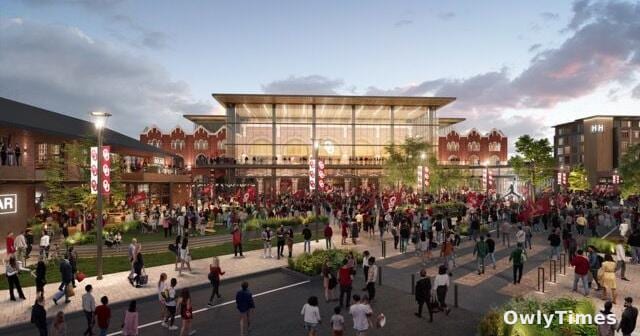
The path to this moment has been anything but smooth. First proposed in 2017, the Rock Creek District, anchored by a new arena for University of Oklahoma athletics, has morphed through countless revisions. The Norman City Council finally approved the plan in 2024, but the fight was far from over. The core concept – a sprawling entertainment zone, hospitality hubs, and residential spaces along 24th Avenue NW – remained, fueled by the enthusiastic backing of OU President Joseph Harroz Jr., Norman Chamber of Commerce President and CEO Scott Martin, Visit Norman President and CEO Dan Schemm, and Cleveland County Economic Development Coalition President and CEO Lawrence McKinney. But a vocal opposition, spearheaded by Oklahomans for Responsible Economic Development (ORED), argued the financial structure was deeply flawed. They gathered an impressive 11,602 signatures in just 30 days to force a referendum on the city’s financing plan, relying on Tax Increment Financing (TIF) districts.
Drawn from oudaily.com.
The TIFs are the crux of the controversy. These districts essentially divert future property tax revenue – money that would normally fund schools, emergency services, and other public needs – to pay for infrastructure improvements within the district itself. In Norman’s case, that’s a hefty $230 million infrastructure cost, plus interest, that taxpayers will shoulder until one of three conditions is met: the TIFs generate $600 million, the debt is paid off, or 25 years pass. ORED argued the TIF conditions weren’t clearly outlined, a claim that ultimately failed in the Oklahoma Supreme Court on February 3rd, effectively clearing the way for construction. This isn’t simply a disagreement over numbers; it’s a fundamental clash over priorities. Is a shiny new entertainment district worth potentially diverting funds from essential public services?
The Promise of a Billion-Dollar Boost
Supporters paint a picture of economic revitalization. A 2024 feasibility study promises concerts, shows, rodeos, and community events, drawing visitors and boosting local businesses. The project is projected to cost $622 million, with a 15% margin of error, and is slated to unfold in phases, beginning with the arena and parking garage in November, with the remaining retail, office, and residential zones following through 2032. Team Norman envisions a vibrant hub that will attract investment and create jobs. But the scale of the investment raises questions. Oklahoma’s overall economic growth has been modest in recent years, averaging around 1.8% annually. To justify a project of this magnitude, Norman needs to demonstrate a significant return on investment – a return that, critics argue, is based on overly optimistic projections.
The reliance on OU athletics as the anchor tenant also introduces a unique vulnerability. While the Sooners are a major economic driver for the city, their recent move to the Southeastern Conference (SEC) has already altered the landscape of college sports, increasing travel costs and potentially shifting fan demographics. The assumption that consistent, high-attendance athletic events will fuel the district’s success feels less certain in this new era of collegiate athletics. Furthermore, the city’s decision to approve an 8-1 vote in May 2025 to move forward with the phasing plan, despite ongoing concerns, signals a willingness to prioritize development speed over thorough public debate.
Beyond the Headlines: A Familiar Pattern
This isn’t a story unique to Norman. Across the country, cities are grappling with the allure – and the risks – of large-scale entertainment districts. From Atlanta’s The Battery to Nashville’s Broadway, these projects often promise economic salvation but frequently deliver uneven benefits. A 2023 report by the Brookings Institution found that TIF districts often fail to generate the promised economic growth, and can even exacerbate existing inequalities by concentrating investment in already affluent areas. The pattern is familiar: ambitious plans, enthusiastic endorsements from civic leaders, and a quiet skepticism from residents who fear being left behind.
The ORED petition, despite being deemed insufficient by the court, revealed a deep well of public concern. The fact that they gathered over 11,000 signatures in a month demonstrates that a significant portion of the Norman community feels unheard and undervalued. This isn’t simply about opposing development; it’s about demanding transparency and accountability in how public funds are allocated. It’s about ensuring that economic growth benefits all residents, not just a select few. The city’s response – pushing forward despite the opposition – risks further eroding trust and fueling resentment.
What Happens When the Music Stops?
The Rock Creek Entertainment District is now poised to reshape Norman’s landscape. But the legal battles are over, the real test begins. Will the district deliver on its promises of economic revitalization? Will it truly benefit the entire community, or will it become another example of a development project that prioritizes profit over people? The coming years will reveal whether Norman has made a wise investment, or if Earl, the retired carpenter, was right all along. The crucial question isn’t just whether the district succeeds, but how it succeeds – and who gets to define that success. Will Norman prioritize long-term community well-being, or will it chase the fleeting allure of a billion-dollar spectacle? That’s the story we should all be watching.