
Beyond Patient Stories: Why Rural Physicians Need a Seat at the Policy Table
For years, Dr. Candy Stockton has navigated the complexities of addiction and healthcare access as a family medicine physician and, since 2022, as the health officer for Humboldt County, California. Her dedication to patients is undeniable, but a recent trip to Washington D.C. highlighted a critical, often overlooked component of effective healthcare advocacy: direct access to the individuals shaping federal policy. The narrative often centers on sharing compelling patient stories to sway lawmakers, but Stockton’s experience reveals a deeper need – for rural healthcare professionals to engage directly with the staffers who conduct the research, draft legislation, and ultimately advise those in power. This isn’t about replacing emotional appeals with data; it’s about ensuring that policy decisions are informed by the granular realities of providing care in underserved areas.
Stockton’s journey to influencing policy wasn’t immediate. Having spent years focused on clinical practice and advocating for pregnant and parenting people with substance use disorders, she recognized a gap in her skillset. As she explained, simply having compelling cases wasn’t enough. She needed the “academic framework and legislative fluency” to be taken seriously when representing her community. This realization led her to pursue an Online Master of Public Health program at UC Berkeley, specifically through the Rural Health Innovation (RHI) Policy Fellowship, a program launched by a gift from UC Berkeley alum Lynn Barr. The program’s structure, a 27-month commitment culminating in an annual policy engagement trip to Washington, is designed to bridge the gap between lived experience and legislative action.
See the original publichealth.berkeley.edu story for the full account.
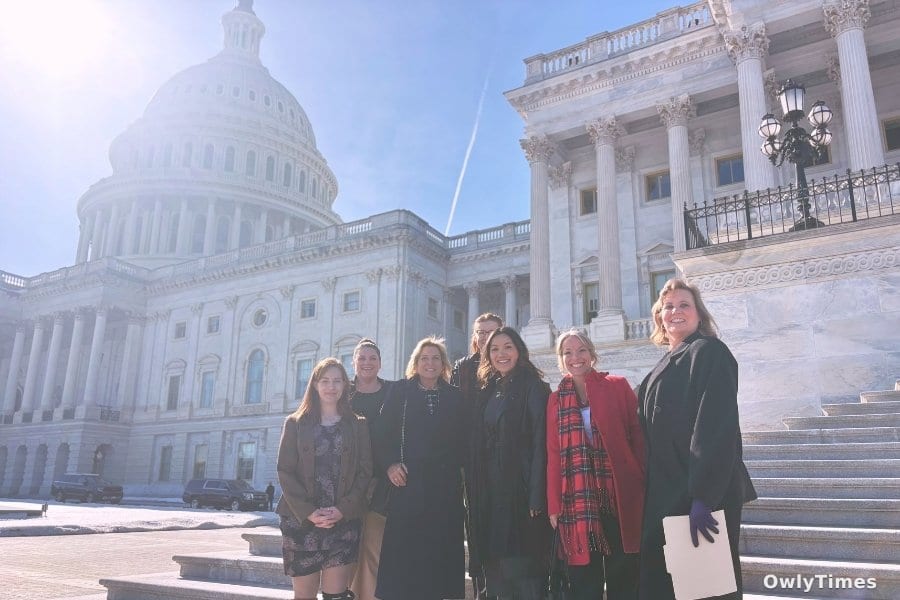
This February, alongside five other RHI Policy Fellows from Montana, Georgia, and California, Stockton participated in a week of intensive meetings with key federal agencies and congressional offices. The list is extensive: the Medicaid and CHIP Payment and Access Commission, the Medicare Payment Advisory Commission, the Health Resources and Services Administration, and committees within both the Senate and House of Representatives. What distinguished this experience, Stockton noted, was the focus on engaging with Congressional staff. “I realize it’s the staffers that do a lot of work researching and briefing and making suggestions,” she said. This insight is crucial. While elected officials are the public face of policy, their decisions are heavily influenced by the information and recommendations provided by their teams.
The significance of this shift in focus is particularly acute for rural communities like Humboldt County, which encompasses 4,000 square miles and approximately 136,000 residents. Stockton, a fourth-generation Humboldt native, understands the unique challenges of delivering healthcare in a geographically isolated and sparsely populated area. These challenges – from workforce shortages to limited access to specialized care – often don’t neatly fit into national policy frameworks designed for more densely populated regions. The RHI program, and trips like the one to D.C., aim to correct this imbalance by providing a platform for rural voices to directly inform the policy-making process. Stockton emphasized the importance of “tying things together for the different groups that work in the federal government,” suggesting that a holistic understanding of interconnected issues is essential for crafting effective, long-term solutions.
However, it’s important to acknowledge the limitations of even this promising approach. A single week of meetings, while impactful, represents a limited window of opportunity. Sustained engagement and ongoing relationships with Congressional staff are crucial for translating short-term interactions into lasting policy changes. Furthermore, the RHI program, while generously funded, serves a relatively small cohort of fellows each year. Scaling up such initiatives to include a broader representation of rural healthcare professionals is essential. The program also relies on the individual initiative of participants like Stockton, who proactively sought out additional training to enhance her advocacy skills. Not all clinicians have the time or resources to pursue similar opportunities.
Looking ahead, the success of programs like the RHI Fellowship hinges on continued investment and a broader recognition of the value of incorporating rural perspectives into federal policy. The next step isn’t simply to send more doctors to Washington; it’s to create systemic mechanisms for ongoing dialogue and collaboration between rural healthcare providers and policymakers. Consider this: if a new Medicare reimbursement model is proposed, will the voices of clinicians serving critical access hospitals in Montana and California be meaningfully considered before the rule is finalized, or only after the unintended consequences become apparent? That’s the question we should be watching for.