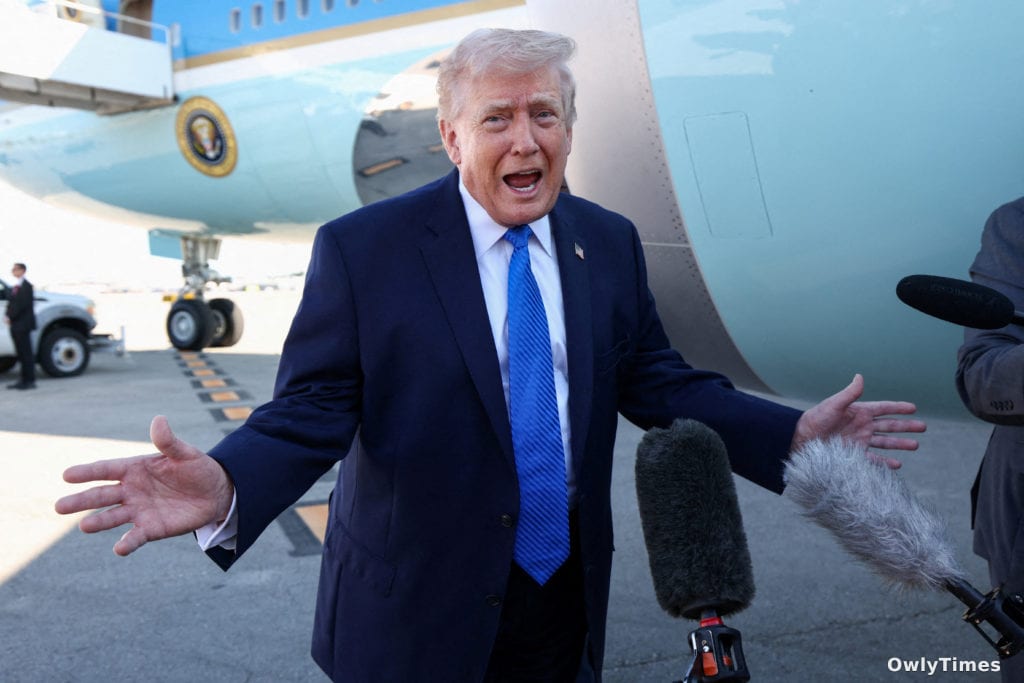

Is anyone else exhausted by the performance of diplomacy via presidential tweetstorm? Because while the world fixates on Donald Trump’s latest claim of secret talks with a “respected” Iranian leader, the real story here isn’t who America is talking to, it’s how – and the increasingly bizarre reliance on a shadow diplomatic corps operating outside established channels. The announcement, delivered casually to reporters Monday, that Middle East special envoy Steve Witkoff and son-in-law Jared Kushner spent Sunday evening in negotiations feels less like a strategic maneuver and more like a reality TV plotline. It’s a pattern that’s been building for years, and one that’s actively eroding the foundations of American foreign policy, with consequences that will ripple far beyond Washington.
The Erosion of Institutional Diplomacy
The standard operating procedure for US-Iran relations, even during periods of intense hostility, involves layers of vetted diplomats, intelligence analysts, and established communication protocols. These aren’t glamorous jobs, but they’re crucial for clarity, accountability, and preventing miscalculation. To suggest that meaningful progress can be made through back-channel talks led by a real estate developer (Witkoff) and a political novice (Kushner) – however well-intentioned – is, frankly, insulting to the professionals who’ve dedicated their careers to navigating the complexities of the Middle East. The State Department, already hollowed out by years of budget cuts and political interference, was notably absent from this announcement. This isn’t about bureaucratic turf wars; it’s about the deliberate sidelining of expertise in favor of personal loyalty. The fact that Trump described the Iranian leader as “respected” without naming them only adds to the opacity, fueling speculation and distrust.
Original reporting: PBS.
Beyond the Headlines: What’s at Stake for Ordinary Americans
It’s easy to dismiss this as another Washington drama, but the implications are very real for everyday Americans. A misstep in Iran could trigger a wider regional conflict, impacting global oil prices – which, despite the push for renewables, still significantly affect the cost of gasoline at the pump. Beyond economics, a destabilized Middle East inevitably leads to increased security threats, requiring greater military spending and potentially drawing the US into another protracted conflict. Remember the last time a major geopolitical event sent shockwaves through the economy? The 2022 energy crisis, triggered by the war in Ukraine, saw inflation spike and household budgets stretched to the breaking point. This isn’t about abstract foreign policy; it’s about the price of groceries and the security of our communities. The lack of transparency surrounding these talks makes it impossible to assess the risks involved, let alone hold anyone accountable if things go wrong.
The Kushner Model: Business Deals Masquerading as Diplomacy?
The involvement of Jared Kushner is particularly troubling. His previous attempts at Middle East peace brokering, outlined in his book Breaking History, were widely criticized for prioritizing business interests over genuine political solutions. The book itself detailed a transactional approach to diplomacy, viewing conflicts as opportunities for real estate deals and investment. While Kushner’s intentions may be sincere, his background raises legitimate questions about whether these talks are driven by national security concerns or personal financial gain. The fact that these negotiations are happening outside the purview of established oversight mechanisms only exacerbates these concerns. We know from reporting on previous Kushner-led initiatives that access and information were tightly controlled, making independent verification nearly impossible.
A Pattern of Disregard for Protocol
This isn’t an isolated incident. Trump’s administration consistently bypassed traditional diplomatic channels, preferring direct communication with foreign leaders – often via Twitter. While direct engagement can sometimes be beneficial, it also carries significant risks, particularly when dealing with volatile situations. The reliance on personal relationships over institutional expertise creates a system vulnerable to manipulation and misinterpretation. The 2019 incident where Trump publicly shared classified information with Russian officials is a stark reminder of the dangers of impulsive decision-making. This latest episode with Iran feels like a continuation of that pattern, a disregard for established protocol that could have catastrophic consequences.
Here’s what to watch for: over the next six months, pay attention to any new real estate or infrastructure projects announced in Iran, particularly those involving companies with ties to the Kushner family or Witkoff’s firm. If these talks yield anything beyond vague promises of cooperation, the details will likely be obscured by layers of secrecy. But the financial trail, if you follow it closely, might reveal the true agenda behind this unconventional diplomatic effort. The question isn’t if this administration will prioritize personal gain over national interest – we’ve seen it happen repeatedly. The question is, how much are they willing to risk to get it?