
The controller vibrates in your palms, not just with the familiar kick of haptic feedback, but with a rhythmic, pulsing dread that feels tethered to the very screen you’re staring at. As of April 30, 2026, the industry has shifted its focus to Carcosa, a shape-shifting planet that serves as the hostile, neon-soaked stage for SAROS, the latest title from Housemarque. For a studio that built its reputation on the "bullet ballet" mechanics of Returnal, this release is more than a follow-up; it is a calculated bet on the enduring power of the single-player, narrative-driven action experience in an era obsessed with multiplayer connectivity.
Housemarque’s Evolution of the Bullet Ballet
Housemarque has long been the gold standard for arcade-infused intensity, but with SAROS, they are leaning heavily into the human element of high-stakes fiction. The story centers on Arjun Devraj, a Soltari enforcer brought to life by actor Rahul Kohli. By casting a performer known for the eerie, character-driven tension of The Haunting of Bly Manor and Midnight Mass, the studio is signaling a shift toward a more intimate, psychological form of storytelling. The gameplay remains rooted in the precision of dodging and parrying, but it is now framed by a narrative of madness and eroding trust among the crew of Echelon IV.
The Cost of Immersion on PS5
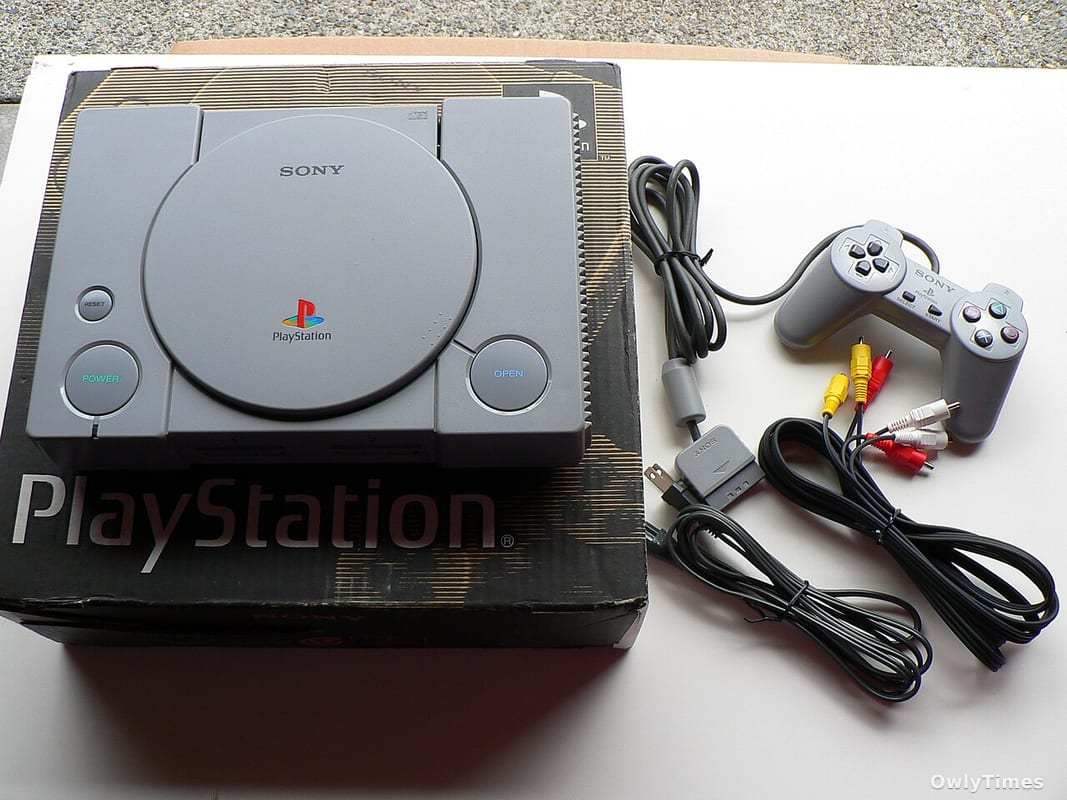
The economic barrier to this digital odyssey is set at $69.99 MSRP for the Standard Edition, while the Digital Deluxe Edition reaches $79.99 MSRP. These price points place SAROS firmly in the premium tier of PlayStation®5 (PS5®) software, competing directly with the most significant AAA blockbusters of the year. To justify this cost, the development team, under the banner of Sony Interactive Entertainment Europe, has leveraged the specific hardware advantages of the PS5. The integration of 3D audio—composed by two-time Grammy Award-winning artist Sam Slater—and near-instant loading speeds are designed to remove the friction between the player and the environment, ensuring that the "corrupting influence of the Eclipse" feels immediate rather than abstract.
A Dance with Digital Madness
What makes SAROS a compelling case study is its insistence on constant transformation. In a market where players are often conditioned to master static environments, the world of Carcosa is designed to shift after every run. This mechanical choice mirrors the game’s central theme: the instability of reality and the psychological toll of the Eclipse. When players return to the Passage to track their progression, they aren't just checking off items on a menu; they are witnessing their allies succumb to the same environmental corruption that defines the game’s combat. It is a synthesis of narrative and mechanics that aims to make the player feel the same isolation as their protagonist.
The Metrics of Success
The release of SAROS arrives as a definitive test for the single-player action genre’s ability to maintain high engagement in the current console lifecycle. While the industry frequently chases the endless growth of live-service models, Housemarque is doubling down on a finite, high-fidelity loop. Whether the market rewards this commitment to "gameplay-first" design will be reflected in the player engagement metrics and retention rates observed in the coming months. The next reading of player progression data from the Passage will indicate whether audiences are ready to embrace a world that is designed, fundamentally, to change against them.