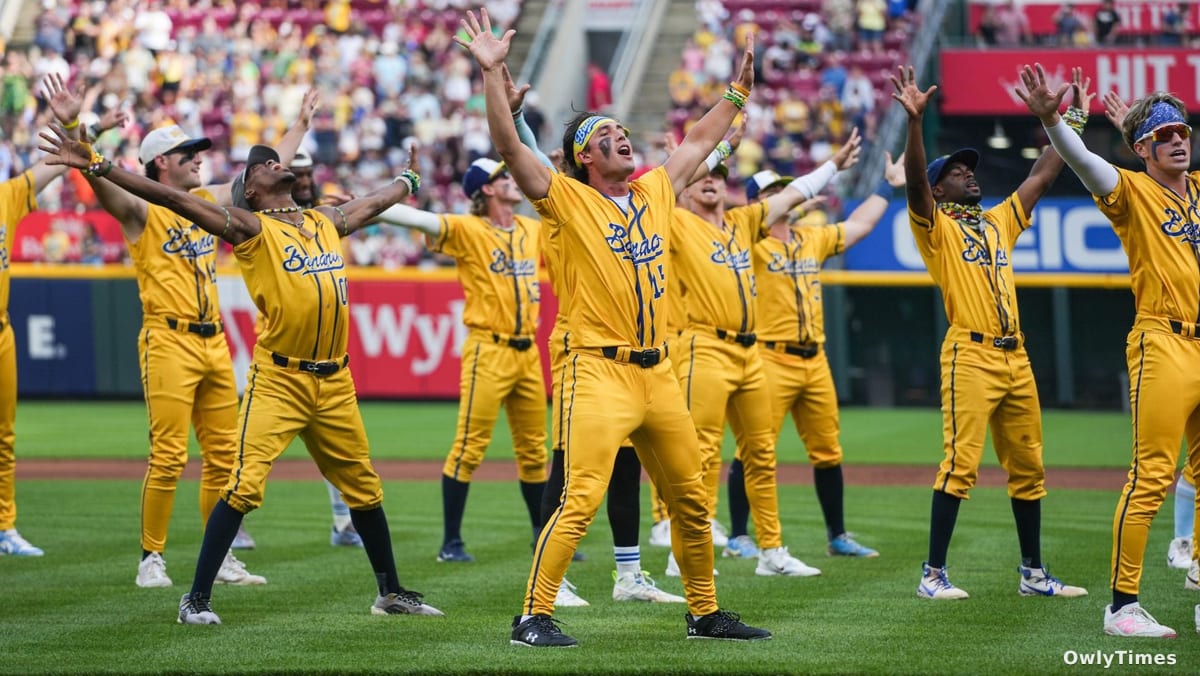

The line snaked around Sleeping Beauty’s castle, a vibrant yellow tide against the pastel backdrop of Disneyland. Not for a new ride, not for a character meet-and-greet, but for…baseball? Last July, the Savannah Bananas staged “Banana Ball Day” at the Magic Kingdom, and the sight of thousands of fans queuing for a decidedly unconventional baseball experience left even Jesse Cole, the team’s owner, speechless. It wasn’t just a successful event; it was a cultural collision, a moment where the rigid traditions of America’s pastime were gleefully upended in the most American of places. And now, that collision is getting a much wider broadcast, with ESPN announcing Tuesday a 15-game expansion of its coverage, bringing the total to 25 Bananas games airing across its platforms this season – including a primetime ABC slot on June 28th. This isn’t just about baseball; it’s about a fundamental shift in how entertainment is consumed, and what audiences want from live sports.
The numbers tell a story of explosive growth. Last year’s 10 games on ESPN platforms averaged 502,000 viewers, a staggering 127% jump from their previous appearances in 2022-2024. The July 5th game at Fenway Park alone drew 837,000 viewers – a figure that rivals many regular season MLB broadcasts. To put that in perspective, the average MLB game on regional sports networks in 2023 drew around 450,000 viewers. Cole isn’t shy about investing in this momentum, revealing a $13 million commitment to his in-house broadcast team, poaching talent from the NFL, NBA, NHL, and even esports. This isn’t a scrappy indie operation anymore; it’s a fully-fledged production powerhouse, deliberately engineered for maximum entertainment value. The Bananas aren’t just showing up to play baseball; they’re producing a spectacle.
Original reporting: frontofficesports.com.
But the Disney/ESPN partnership runs deeper than just viewership numbers. Cole openly admits his inspiration comes from Walt Disney himself, specifically Disney’s relentless focus on the guest experience. “Banana Ball Day at Disneyland was bigger than any of us ever could have imagined,” he says, recalling the scene at the castle. “They told us it was one of the biggest parades they’ve ever had.” This isn’t accidental. The Bananas aren’t trying to replicate baseball; they’re trying to replicate the feeling of Disney – the joy, the surprise, the immersive experience. They’re selling an event, not a game, and that’s a crucial distinction. This is a generation raised on experience-driven entertainment, and traditional sports are struggling to keep pace.
The expansion of the Bananas’ “Bananaball” league – now boasting six teams including the Party Animals, Firefighters, and Loco Beach Coconuts – further illustrates this point. Demand is so high that games featuring teams other than the Bananas are selling out MLB stadiums. Over 160,000 fans signed up for tickets to a Party Animals game in Detroit alone, potentially translating to over 700,000 ticket requests. This isn’t about baseball purists; it’s about a broader audience craving something different, something fun, something…unpredictable. Cole acknowledges this shift, stating they’ve become more “intentional” about scripting the games to ensure entertainment isn’t lost during commercial breaks. They’re actively designing for the fragmented attention spans of the modern viewer.
However, the Bananas’ success isn’t without its complications. The overwhelming demand has spawned a thriving secondary ticket market, rife with scams. Cole is responding by launching a fan-first marketplace, aiming to provide face-value tickets and cut out the resellers. This move speaks to a larger tension: the Bananas are building a community, but that community is vulnerable to exploitation. Maintaining authenticity and accessibility as the brand grows will be a constant challenge. They’ve even turned down lucrative national partnerships to keep games free on YouTube, prioritizing access for their core fanbase.
Beyond the headlines of expanding broadcast deals and sold-out stadiums, the Savannah Bananas represent a reckoning for the sports industry. Are leagues willing to embrace the theatricality and fan-centricity that the Bananas have mastered? Or will they continue to cling to tradition while audiences drift away? The question isn’t whether Bananaball will become the next baseball, but whether baseball – and other established sports – will need to become more like Bananaball to survive. We’re about to see if ESPN’s increased investment is a bet on a fleeting trend, or a signal that the future of sports entertainment is about to be rewritten.

