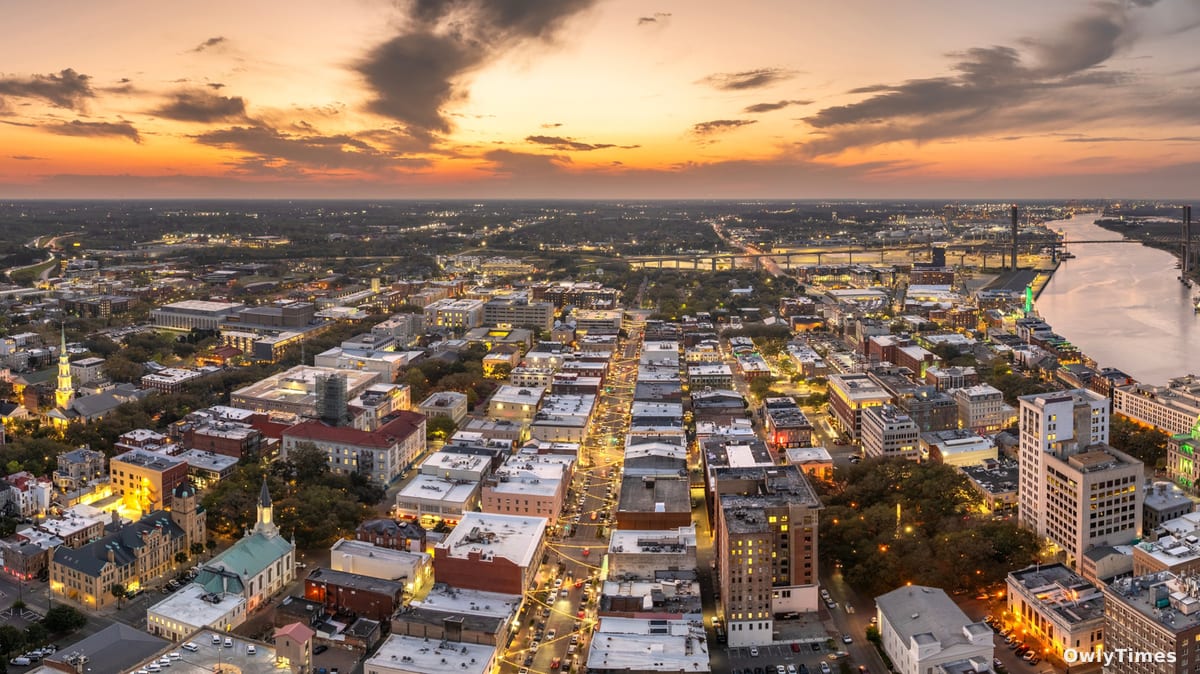

The hum of a modern city often drowns out the echoes of its industrial past, but in Savannah, the city’s heartbeat has been reclaimed from the soot and steel of a bygone era. Standing along the riverfront, the Plant Riverside District serves as a striking physical bridge between Georgia’s maritime history and its current status as a cultural destination. It is a rare example of adaptive reuse that feels less like a sterile renovation and more like a living, breathing transformation of a space that once powered the city’s lights into one that now powers its social life.
From Industrial Decommission to Cultural Epicenter
The site’s narrative is one of resurrection. Originally constructed in 1912, the power plant stood as a monument to early 20th-century progress before being decommissioned in 2005. For over a decade, the massive structure sat dormant, a hollowed-out skeleton of industry overlooking the Savannah River. It wasn't until construction began in 2016 that the site began its metamorphosis, finally reopening in the summer of 2020. Today, this 4.5-acre hub functions as a sprawling ecosystem of hospitality, housing everything from high-end retail to natural history exhibits, proving that the most compelling entertainment venues are those that respect the grit of their origins.
The Art of Curated Discovery
What makes the district more than just another tourist trap is the intentionality of its programming. Within the main building, Generator Hall has been repurposed into an expansive, free-to-access natural history exhibit. The juxtaposition is startling: massive, ancient fossils and giant geodes sit beneath the soaring industrial ceilings of a structure designed for coal-fired electricity. It offers a rare space where the public can engage with science and history without the barrier of a ticket price. This is mirrored in the Atlantic Building, which hosts the Gretsch Museum. By dedicating space to the heritage of classic guitars, the district leans into the visceral, sensory experience of music history, allowing visitors to interact with instruments that shaped the American soundscape.
A Global Palette on the Savannah River
The culinary offerings within the district reflect a desire to expand the Southern palate beyond traditional regional staples. At the Baobab Lounge, guests are invited to experience a space defined by African decor and regional flavors, effectively curating a global experience within a localized setting. This international influence is balanced by the district’s focus on the river itself; venues like the Myrtle and Rose Rooftop Bar turn the Savannah River into a scenic backdrop for small-plate dining. Whether one is browsing the inventory at Outside Savannah for everyday apparel or selecting a piece from Kessler Fine Jewelry, the commercial footprint is designed to feel like an extension of the district’s overarching atmosphere of luxury and discovery.
Navigating the Living History
For travelers, the logistical integration of the district is its strongest asset. With three distinct hotel options—the main plant building, the Three Muses for riverfront intimacy, and the Atlantic building—the architecture dictates the guest experience. The evolution of the site continues to be measured by the district’s ability to draw foot traffic throughout the calendar year, particularly during the holiday season. The Savannah Christmas Market, which runs from mid-November through January 1st, remains the primary metric for the district’s seasonal appeal. As the city looks toward the next holiday cycle, the continued attendance at these local events and the turnover of exhibits in Generator Hall will serve as the clearest indicator of whether this industrial revival can maintain its momentum as the centerpiece of Savannah’s tourism economy.