
Is the most critical tech skill for the next generation actually the art of old-school journalism? In an age where content generation tools churn out text, images, and video with alarming ease, and misinformation spreads like wildfire across social platforms, the ability to discern truth from fabrication is no longer a niche pursuit. It's a fundamental operating system for navigating the digital world.
This isn't just academic speculation; it’s playing out in unexpected corners. At classrooms across Santa Cruz County, students are discovering the power of local journalism through Lookout in the Classroom. The real story here isn't just that a local news initiative is engaging young minds with community issues—it's that these programs are inadvertently building the foundational digital literacy and critical thinking skills our society desperately needs to navigate an increasingly complex information landscape. Think of it as teaching ethical coding in an era of quick-and-dirty algorithms: the process matters as much as the output.
Cultivating Credibility in a Content-Saturated World
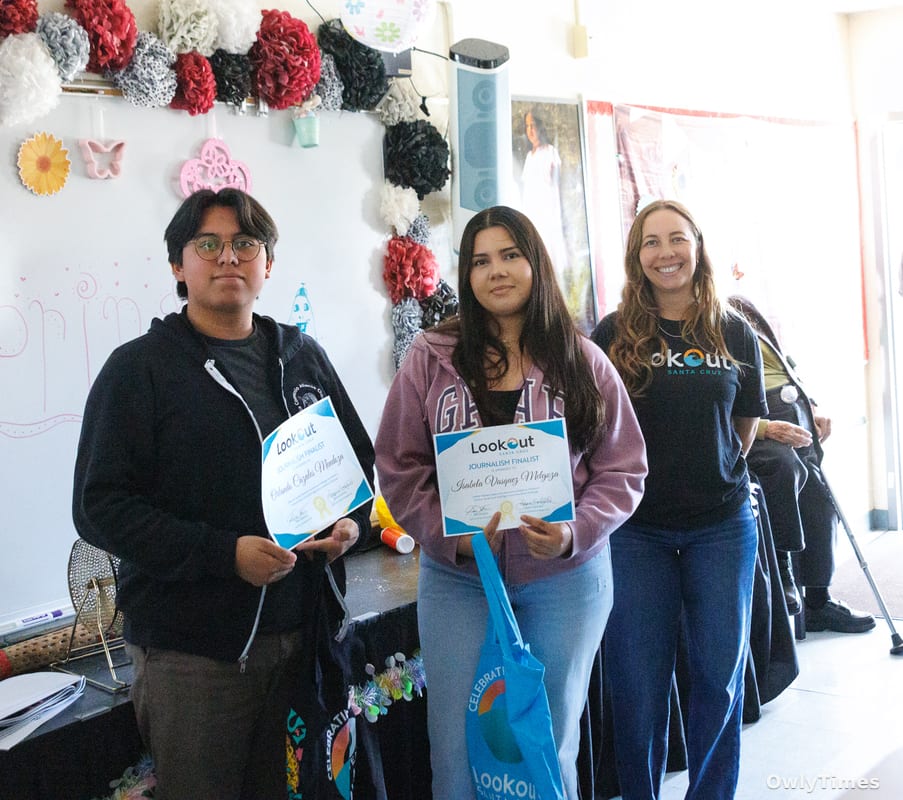
The program's impact crystallized at the Diamond Technology Institute in Watsonville, where two students were recognized as finalists in Lookout’s “Unsung Santa Cruz” journalism scholarship. This countywide effort to spotlight community changemakers through student reporting isn't merely about finding local heroes. It’s about equipping the next wave of digital citizens with the tools to be both responsible creators and discerning consumers of information. From the tactile experience of folding handmade zines to the rigorous process of interviewing local sources, these students are gaining real-world storytelling experience. They're learning about fact-checking, source verification, and narrative construction—skills that are increasingly vital as the lines between legitimate news, sponsored content, and outright fabrications blur.
In a digital ecosystem that often rewards speed and virality over accuracy, the discipline of journalism provides a crucial counter-narrative. Every social media user today is, in essence, a publisher. Yet, few are taught the ethical frameworks or verification processes that underpin credible reporting. What these students at Diamond Technology Institute are learning isn't just how to write a story; it's how to build trust. This kind of foundational media literacy is as important as learning to code in an AI-driven world, empowering ordinary users to become active participants rather than passive recipients of digital content. For more on the foundational aspects of these skills, see the Wikipedia page on Digital Literacy.
Beyond the Byline: Tech's Untapped Human Layer
The tech industry, for all its innovations, has struggled profoundly with the unintended consequences of its platforms—from echo chambers to the spread of harmful narratives. Programs like Lookout in the Classroom offer a grassroots solution by focusing on the human layer of technology. By engaging students in the meticulous work of journalism, they're not just fostering future reporters; they're training a generation to demand higher standards of information from all sources, including the algorithms that feed them content. The "Unsung Santa Cruz" scholarship, as detailed in the Lookout.co report, highlights how deeply embedded these skills can become when applied to real community impact.
This isn't just about preserving traditional media; it's about redefining digital citizenship. When students learn to critically evaluate information, to understand bias, and to craft narratives with integrity, they become better equipped to navigate everything from online political discourse to the latest viral trend. They learn that a compelling story isn't just about what you say, but how you verify it, and why it matters.
What happens next? As digital platforms continue to evolve and AI tools become even more sophisticated, the demand for human-driven critical thinking and ethical content creation will only intensify. The sustained investment in initiatives like Lookout in the Classroom, and their expansion beyond local communities, will be a key indicator of whether society can successfully bridge the gap between technological capability and informed public discourse, shaping a future where digital fluency includes a deep understanding of truth.