
$1.5 Billion in Waterfront Investment Faces a 9.9% Headwind
A double-digit surge in Seattle foot traffic – up over 10% year-over-year according to the Seattle Historic Waterfront Association and the Downtown Seattle Association – paints a picture of urban revitalization. However, this momentum is now directly threatened by a newly approved “millionaires tax” poised to reshape Washington State’s economic landscape. Senate Bill 6346, passed 51-46 by the House, levies a 9.9% tax on annual income exceeding $1 million, a move that’s already prompting high-profile departures and raising serious questions about the state’s long-term business climate. Follow the money: this isn’t simply a debate about tax fairness, it’s about the potential erosion of a $1.5 billion private sector investment already reshaping Seattle’s waterfront.
See the original komonews.com story for the full account.
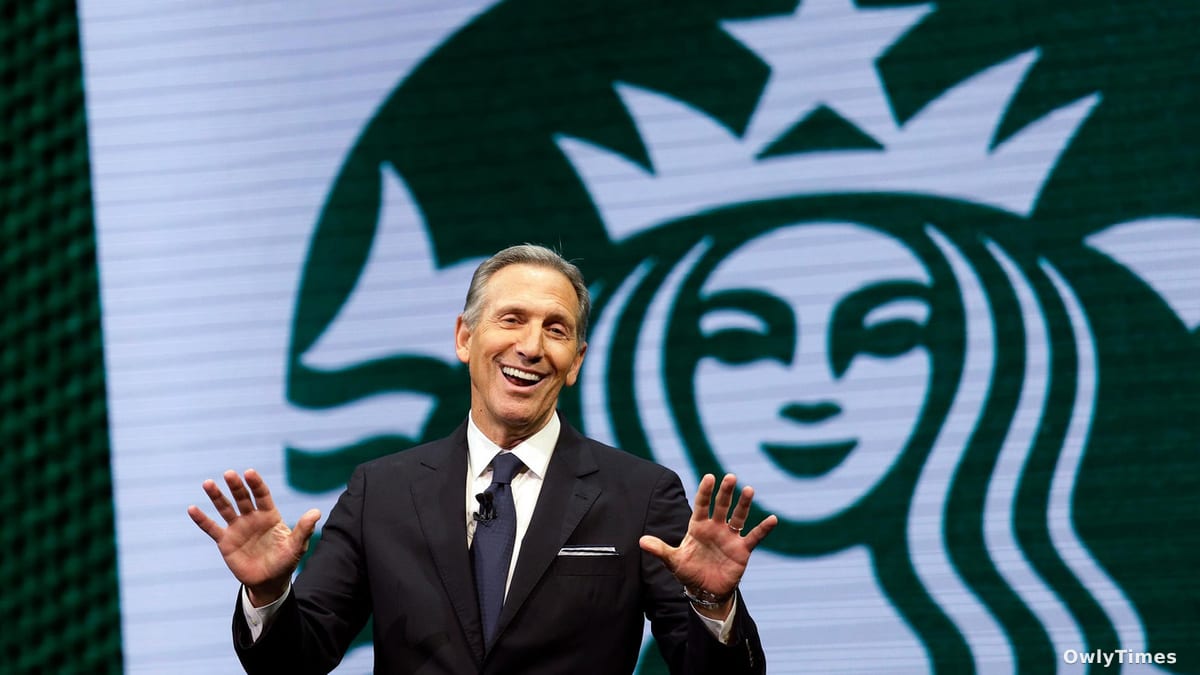
The timing of Howard Schultz’s announcement that he and his wife have relocated to Miami is no coincidence. While framed as a move to be closer to family during “retirement,” the former Starbucks CEO’s decision – and the relocation of his family office – arrives as Washington lawmakers debate how to fund state priorities. Republicans, including Rep. Drew Stokesbary of Auburn, are explicitly linking the two events, labeling it “capital flight.” This isn’t hyperbole; the state’s own economic data reveals a concerning trend. While downtown Seattle is seeing a rebound in tourism, the office vacancy rate remains stubbornly high at over 33%, and worker foot traffic is still only two-thirds of pre-pandemic levels – a fragile recovery easily destabilized.
The core argument from supporters, including Governor Bob Ferguson who has signaled his support for the bill, centers on tax equity. The legislation aims to reduce the tax burden on lower-income families and small businesses by shifting revenue from the wealthiest earners. However, the projected revenue gains – collections are slated to begin in 2029 – are being weighed against the potential for a broader economic slowdown. Eight House Democrats broke ranks to vote against the measure, suggesting internal concerns about its impact. This division highlights a fundamental tension: can Washington afford to redistribute wealth if it risks diminishing the overall economic pie? The state’s historical resistance to broad income taxes suggests this is uncharted territory, and the legal challenges anticipated could further delay implementation and create uncertainty.
Jon Scholes, president and CEO of the Downtown Seattle Association, succinctly captured the concern: “We don’t need more taxes on businesses in our state, in our city. We need more businesses here paying taxes.” This statement isn’t simply a plea for lower taxes; it’s a recognition that Seattle’s economic recovery is contingent on attracting and retaining businesses and high-earning individuals. Bob Donegan, CEO of Ivar’s, echoes this sentiment, noting that private wealth attorneys are already advising high-net-worth clients to establish residency elsewhere. This isn’t a hypothetical threat; it’s a demonstrable response to the proposed tax, potentially accelerating an outflow of capital and talent. The projected start date of 2029 offers a temporary reprieve, but the looming possibility of higher taxes is already influencing decision-making.
What this means for your wallet: Washington residents should anticipate increased scrutiny of state spending and potential cuts to services if the “millionaires tax” fails to generate the projected revenue. More immediately, the debate underscores the precariousness of Seattle’s economic recovery. Watch for a significant increase in residency applications in states with more favorable tax climates over the next two years. The key question isn’t whether Schultz’s move is an isolated incident, but whether it’s a harbinger of a larger trend – and whether Washington State can maintain its appeal to the entrepreneurs and investors who fuel its economy.





