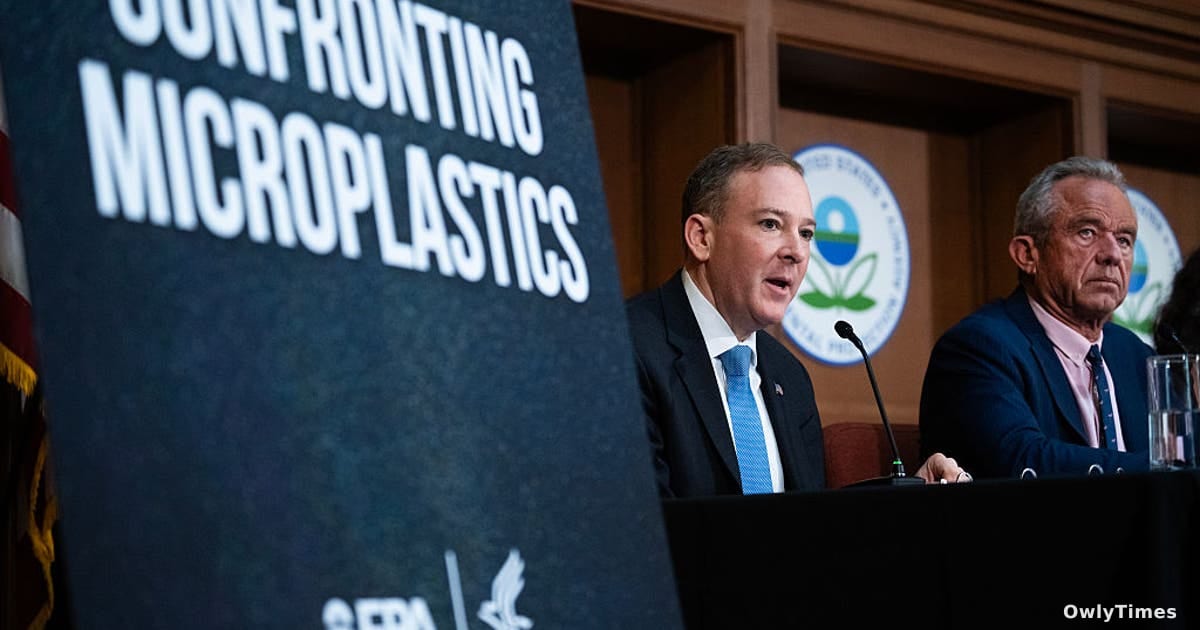

The simultaneous announcement from the Environmental Protection Agency and Department of Health and Human Services on April 5, 2026, regarding microplastics and pharmaceuticals in drinking water isn’t simply a regulatory step – it’s a public acknowledgement of a fundamental uncertainty about the modern environment. While headlines proclaim a “war on microplastics,” the reality is far more nuanced. This isn’t a declaration of known enemies and established battle lines, but rather the opening salvo in a massive, urgently needed scientific investigation. The core question isn’t if microplastics are harmful, but which microplastics are harmful, how they exert their effects, and at what concentrations do those effects become significant enough to warrant widespread intervention.
For the first time, the EPA is formally listing microplastics as a Contaminant Candidate List (CCL) item, a procedural step that doesn’t immediately impose regulations but prioritizes research funding and sets the stage for potential future Congressional action. These particles, defined as less than 5mm in size, are remarkably persistent, capable of remaining in the environment for centuries. The parallel launch of the HHS’s Systematic Targeting of Microplastics (STOMP) program, a $134 million+ national initiative, underscores the seriousness with which the administration views the potential threat. RFK Jr., the current HHS Secretary, articulated the central challenge in an interview with Fox News: “We do not have the science that distinguishes between the impacts of these different types of plastics, and maybe if we identify those impacts, the damaging ones can be immediately eliminated, because you can replace them with something else.” This isn’t a blanket condemnation of all plastics, but a call for targeted research to understand the specific risks posed by different polymer types.
Based on the original fox5atlanta.com report.
The concern stems from emerging research suggesting a range of potential health impacts. RFK Jr. highlighted microplastics’ potential as endocrine disruptors, interfering with hormonal systems and potentially impacting fertility. More alarmingly, preliminary studies suggest a correlation between microplastic presence at the cellular level and increased risk of cardiovascular events – heart attack and stroke – as well as neurodegenerative diseases. Dr. Leonardo Trasande of NYU Grossman School of Medicine, drawing a parallel to the lead exposure crisis of the 1970s, argued for proactive action even in the face of incomplete data, stating, “the time to act is now.” However, it’s crucial to understand that correlation does not equal causation. While these associations are concerning, establishing a definitive causal link between microplastic exposure and these diseases requires rigorous, long-term studies. The comparison to lead is useful, but not perfect; lead’s toxicity was understood relatively quickly, while the effects of microplastics appear to be far more variable and dependent on particle size, shape, and chemical composition.
This push for research isn’t solely focused on microplastics. The CCL inclusion also extends to pharmaceuticals found in drinking water, a parallel concern stemming from the incomplete removal of medications during wastewater treatment. RFK Jr. rightly points out the responsibility of manufacturers to address this pollution, stating, “That’s a lesson we are all supposed to have learned at kindergarten – that you clean up after yourself, you don’t force the public to do it.” This sentiment, while appealing, raises complex questions about liability and the cost of remediation. Will pharmaceutical companies be held financially responsible for removing trace amounts of drugs from water supplies? Will this lead to increased drug prices? These are political and economic questions that will likely dominate the debate as the science evolves.
Limitations to consider are significant. The STOMP program, while substantial, faces the inherent challenges of studying a ubiquitous environmental contaminant. Establishing baseline exposure levels, controlling for confounding factors (diet, lifestyle, genetics), and tracking long-term health outcomes will be incredibly difficult. Furthermore, EPA Administrator Lee Zeldin rightly cautioned against a “one-size-fits-all” regulatory approach, emphasizing the need for “radical transparency” and “gold-standard science.” This acknowledgement of the complexity of the issue is reassuring, but also highlights the potential for delays and political maneuvering as the research progresses. The collaborative relationship between Zeldin and RFK Jr., described as particularly close, is presented as a strength, but also introduces the possibility of bias or undue influence.
The next critical steps involve not just identifying which microplastics are most harmful, but also understanding their mechanisms of action. Are they physically damaging tissues? Are they leaching harmful chemicals? Are they acting as vectors for other pollutants? Equally important is determining realistic exposure levels and assessing the effectiveness of various mitigation strategies – from improved wastewater treatment to the development of biodegradable plastics. Perhaps the most pressing question for consumers is this: as the STOMP program begins to collect data on microplastic accumulation in the human body, what changes, if any, should individuals make to their daily habits to minimize their exposure? The answer, for now, remains elusive, but it’s a question we should all be watching for.