
Beyond the Paycheck: A Landmark Shift in Mental Healthcare Labor Relations
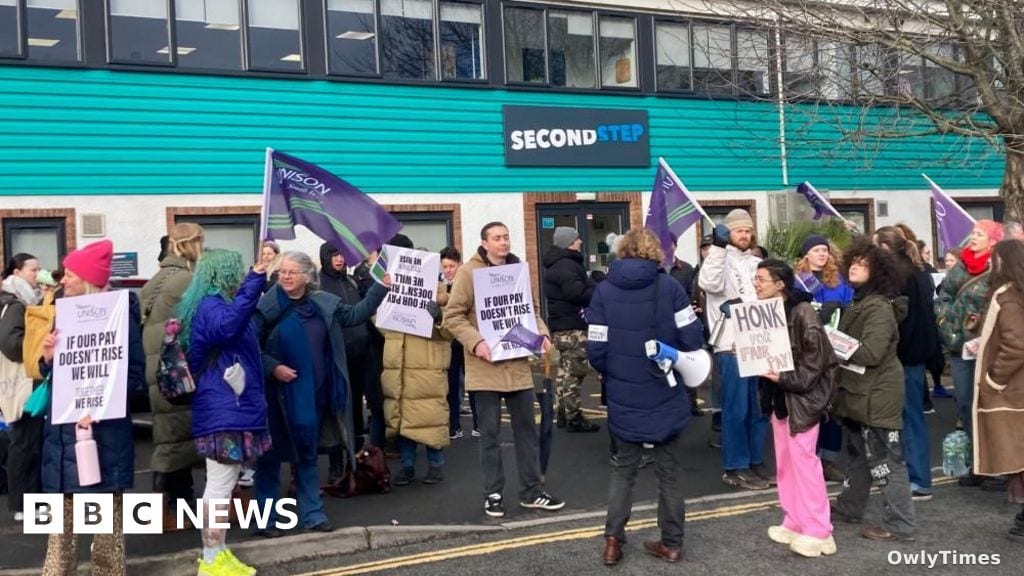
The recent resolution of a 27-day strike at Second Step, a mental health charity operating across Bristol, Somerset, South Gloucestershire, and Wiltshire, is being framed in headlines as a win for workers securing a one-off payment and extra leave. However, to focus solely on the financial aspects of this agreement misses a far more significant development: a fundamental alteration in the power dynamic between frontline staff and management within a sector chronically defined by precarious employment and emotional labor. This isn’t simply about a pay dispute resolved; it’s about the assertion of a voice, and the potential for a more sustainable, respectful model of care provision.
Original reporting: the BBC.
The strike, initiated after a November vote by over 100 support workers and staff, stemmed from concerns over both compensation and a lack of formal union recognition. While the final agreement does include a lump-sum payment to be distributed before the end of the month, alongside two additional days of leave, Jack Dalrymple, a 32-year-old Unison representative and support worker at Second Step, emphasizes that the “recognition deal” is the true victory. This agreement mandates ongoing negotiation between management and the union, a first for Second Step in its history. It’s a crucial point often lost in simplified reporting – the financial concessions are immediate relief, but the structural change promises lasting impact. The fact that workers initially rejected a previous pay offer from management underscores the depth of the underlying issues, extending beyond purely monetary concerns.
The Cost of Compassion: Why Mental Health Workers Are Organizing
The context here is vital. Mental health support work is emotionally demanding, often involving exposure to trauma and requiring significant resilience. Yet, the sector is plagued by relatively low wages, high turnover, and limited opportunities for professional development. This creates a cycle of burnout and instability, ultimately impacting the quality of care delivered to vulnerable populations. The strike at Second Step isn’t an isolated incident; it reflects a growing trend of labor organizing within the healthcare and social care sectors, driven by a recognition that compassionate care cannot be sustained without a commitment to the wellbeing of those providing that care. Hev Christie, a tutor at Bristol Recovery College, poignantly notes the difficulty of withholding labor given the nature of their work, yet highlights the “massive progress” achieved through this collective action.
The narrative from Second Step’s spokesperson, expressing delight at welcoming staff back and reaffirming their commitment to “vital services” for “marginalised people,” is not contradictory, but it does reveal a tension. The charity’s mission relies entirely on the dedication of its workforce, yet historically, that dedication has been largely uncompensated in terms of genuine structural support and a voice in organizational decisions. The strike forced a reckoning with this imbalance, demonstrating the tangible consequences of undervaluing the human element of care. Dalrymple’s statement – “Supporting mental health requires more than just compassion; it requires a sustainable commitment to those providing the care – we will be respected and we will be heard” – encapsulates this shift in expectations.
Limitations to Consider: One Agreement Doesn’t Solve Systemic Issues
While the outcome at Second Step is undeniably positive, it’s crucial to avoid overstating its implications. This is a single agreement within a single organization. The broader systemic issues of underfunding, precarious employment, and inadequate support for mental health workers remain largely unaddressed. The one-off payment, while providing immediate financial relief, doesn’t resolve the long-term need for sustainable wage increases and improved benefits. Furthermore, the success of this strike hinged on the strong organization and collective action of the Unison members at Second Step. Replicating this success in other organizations will require similar levels of engagement and solidarity.
It’s also important to acknowledge that the agreement doesn’t guarantee a frictionless future. The “recognition deal” necessitates ongoing negotiation, which may be fraught with challenges. Management’s willingness to genuinely listen to and respect staff concerns will be critical in determining whether this new framework translates into meaningful improvements in working conditions and care quality. The expectation, as Dalrymple articulates, is that management will “continue to invest, listen to and respect the staff who are the backbone of this organisation.” This expectation, however, requires consistent demonstration, not just stated intent.
What’s Next: Monitoring the Impact of a New Voice
The resolution at Second Step provides a valuable case study for other mental health charities and organizations within the broader social care sector. The key question now is whether this newfound voice for workers will translate into tangible improvements in service delivery, staff retention, and ultimately, the wellbeing of those receiving care. Researchers should focus on tracking key indicators at Second Step over the next 12-24 months: employee turnover rates, reported levels of burnout, patient satisfaction scores, and the frequency and quality of communication between management and staff.
More broadly, we need to observe whether this strike inspires similar organizing efforts at other charities and whether employers proactively address the underlying issues of compensation, recognition, and support for their mental health workforce. Will we see a ripple effect, or will Second Step remain an outlier? The answer to that question will determine whether this landmark agreement truly signals a turning point in the way we value and support those who dedicate their lives to caring for others.