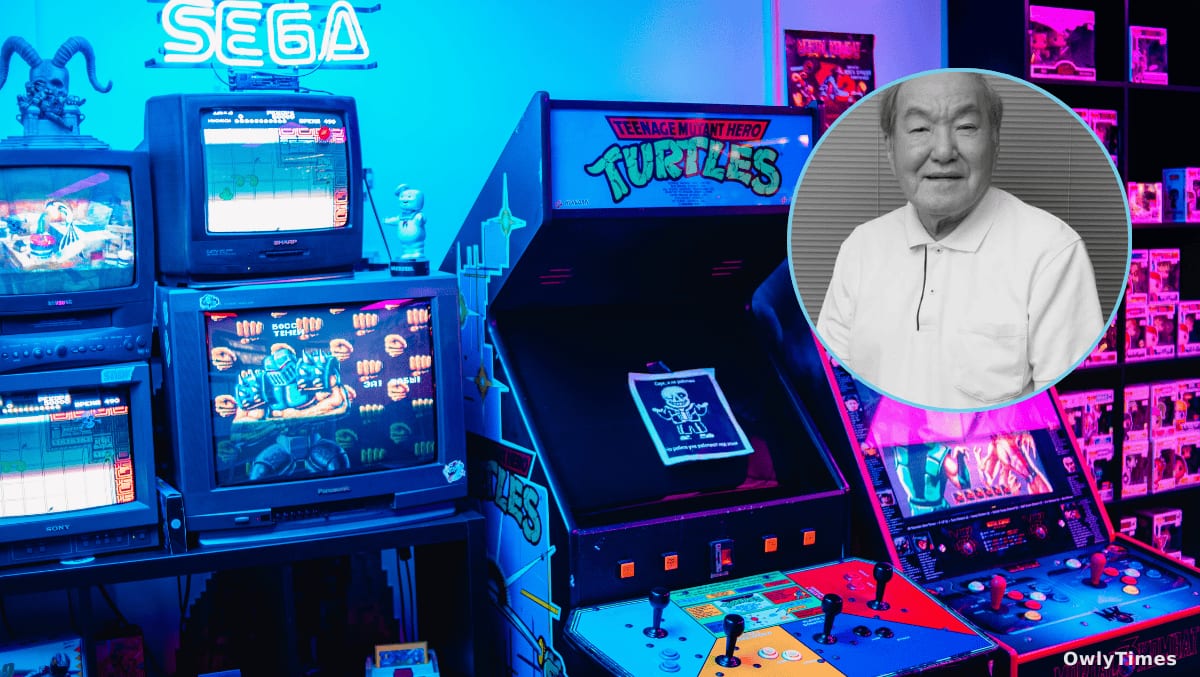

The End of an Era: Reflecting on Hideki Sato and the Dreamcast Legacy
The passing of Hideki Sato, “The Father of SEGA Hardware,” at age 77 marks more than just the loss of an industry veteran. It signifies the closing of a chapter in video game history – a period of bold innovation, defiant competition, and ultimately, heartbreaking near-misses. Sato’s career coincided with SEGA’s rise and fall, and his most celebrated creation, the Dreamcast, embodies both the company’s brilliance and its tragic trajectory. While the gaming world mourns, it’s crucial to understand why Sato’s work continues to resonate, particularly for those of us who grew up during the console wars of the 90s. This isn’t simply nostalgia; it’s recognizing a pivotal moment when the future of gaming hung in the balance.
Background & Context: SEGA’s Ascent and the Dreamcast’s Gamble
To understand the significance of Hideki Sato and the Dreamcast, one must revisit SEGA’s history. Emerging as a major competitor to Nintendo in the 1980s with the Master System and Genesis (Mega Drive), SEGA consistently pushed boundaries, often through aggressive marketing and a willingness to embrace edgier content. This rivalry fueled a golden age of console innovation. However, a series of missteps – the ill-fated Saturn, internal conflicts, and a shifting market – left SEGA vulnerable. The Dreamcast, released in 1999 (Japan) and 2000 (North America), was intended as a complete reset. It wasn’t just a new console; it was a statement of intent. The Dreamcast arrived a full year before the PlayStation 2, boasting features like built-in online capabilities and superior graphics. This represented a significant shift from SEGA’s previous strategy, which often felt reactive to Nintendo and Sony. The gamble, however, proved too risky.
See the original outkick.com story for the full account.
The Dreamcast’s Defining Titles: Innovation and Unfulfilled Potential
The Dreamcast’s library, though relatively small due to its short lifespan, was remarkably diverse and forward-thinking. Games like Skies of Arcadia (2000), a beautifully realized RPG with a unique world and engaging air-pirate theme, demonstrated the console’s graphical prowess and willingness to explore niche genres. But it was titles like NFL 2K (1999) that truly showcased the Dreamcast’s potential. Released as a launch title, NFL 2K wasn’t just a good football game; it was revolutionary for its time. It offered realistic gameplay, detailed player models, and, crucially, online multiplayer – a feature unheard of in console sports games at the time. In 1999, the ability to compete against friends across state lines was genuinely groundbreaking. This contrasts sharply with today’s sports game landscape, often criticized for incremental updates and a lack of genuine innovation. Other titles like Crazy Taxi (2000) and Shenmue (1999) further cemented the Dreamcast’s reputation for arcade-style thrills and ambitious, open-world experiences. Shenmue, costing a staggering $70 million to develop, was a technological marvel, but its commercial failure foreshadowed the console’s fate. Sonic Adventure 2 (2001), a personal favorite for many, exemplified the refined 3D platforming the series was capable of, but arrived too late to salvage the situation.
What This Means: A Cautionary Tale for the Gaming Industry
The Dreamcast’s story is a cautionary tale for the gaming industry. It demonstrates that technological superiority alone isn’t enough to guarantee success. SEGA’s internal struggles, coupled with the looming dominance of Sony and the PlayStation 2’s marketing juggernaut, ultimately sealed the Dreamcast’s fate. The console’s early demise also impacted developers and players alike. The loss of a vibrant platform stifled creativity and left a dedicated fanbase yearning for more. For consumers, it highlighted the precariousness of platform loyalty and the potential for beloved consoles to disappear. For the industry, it underscored the importance of strong financial backing, effective marketing, and a clear understanding of market trends. The current trend of “live service” games and annual sports titles, while profitable, arguably represents a departure from the innovative spirit embodied by the Dreamcast and its groundbreaking titles.
Looking Ahead: The Dreamcast’s Enduring Influence
Despite its commercial failure, the Dreamcast’s influence continues to be felt today. Its innovations – online gaming, advanced graphics, and a focus on unique gameplay experiences – paved the way for future consoles. The console’s passionate fanbase remains active, preserving its legacy through emulation, fan projects, and continued discussion. Looking ahead, it’s likely we’ll see renewed interest in the Dreamcast as retro gaming gains popularity. The question isn’t whether the Dreamcast will be remembered, but how it will be remembered. Will it be seen solely as a tragic footnote in gaming history, or as a bold experiment that dared to challenge the status quo? The answer, I suspect, lies in recognizing the enduring value of its games and the visionary leadership of figures like Hideki Sato, whose contributions continue to shape the gaming landscape we know today.

