
The Calculus of Cash: San Francisco’s Reversal Signals a Shift in Urban Security Priorities
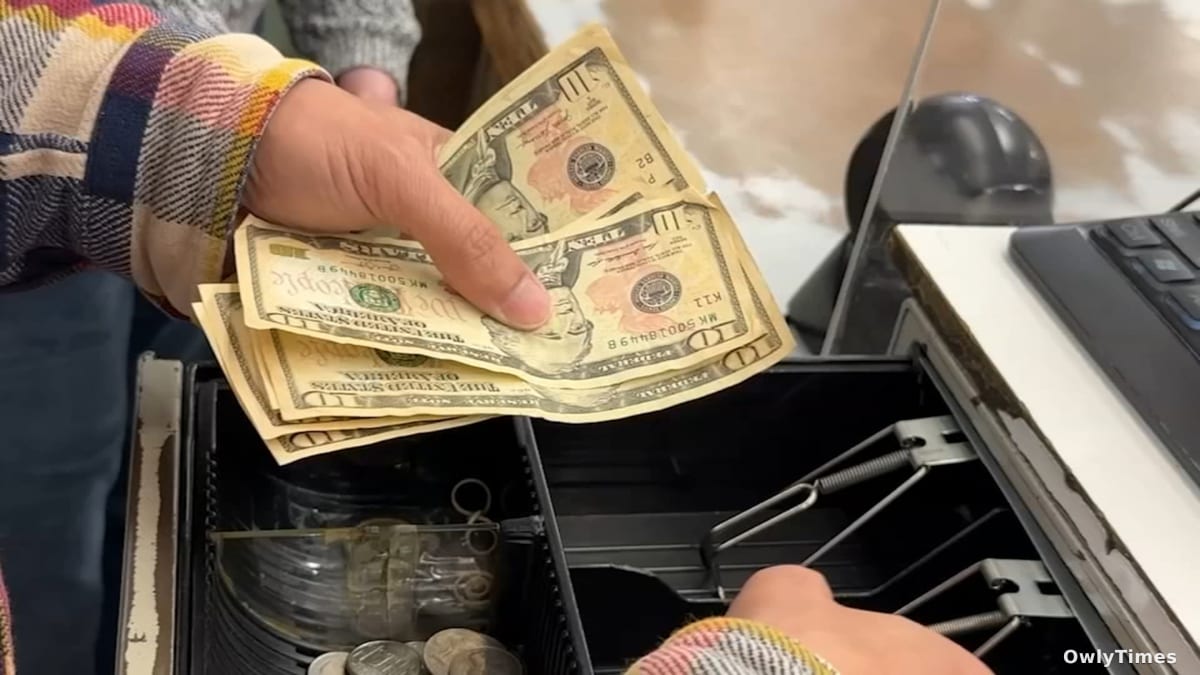
The proposed repeal of San Francisco’s 2019 law mandating cash acceptance isn’t a debate about convenience; it’s a direct response to a recalibration of risk assessment among city officials and business owners. Supervisor Rafael Mandelman’s reconsideration, prompted by a reported 33% increase in perceived threat to businesses since the cash mandate took effect, reveals a pragmatic shift prioritizing physical security over principles of financial inclusivity. This isn’t simply about crime statistics – though Mayor Daniel Lurie’s claims of overall crime reduction are conspicuously juxtaposed with the rising security concerns – it’s about the visible, immediate vulnerability cash creates for small businesses. The move signals a willingness to concede on a previously held progressive policy position when faced with tangible anxieties about safety.
Original reporting: abc7news.com.
The Federal Reserve’s Warning and the Cost of Inclusivity
The timing of this debate is notable. The U.S. Mint has already ceased penny production, a symbolic step towards a less-cash society, and San Francisco is now contemplating a more forceful acceleration of that trend. This isn’t a spontaneous reaction. A 2019 Federal Reserve paper – conveniently resurfaced as the debate intensifies – explicitly linked the absence of cash on premises to a reduction in both internal and external robberies. This finding undercuts the original justification for the 2019 law, which centered on equity and inclusivity for the unbanked. While the City’s Office of Financial Empowerment estimates “only” 5% of San Francisco residents – roughly 50,000 people – lack access to traditional banking, maintaining that 5%’s access to goods and services is worth the increased risk to the remaining 95% is a calculation Mandelman is now openly questioning. The economic cost of inclusivity, in this case, is being weighed against the potential cost of a robbery, and the scales appear to be tipping.
Counterfeit Currency and the Hidden Costs of Handling Cash
Beyond the threat of outright theft, the practical burdens of handling cash are also driving the push for repeal. Jessica Tsang, owner of Russian Hill Bookstore, routinely deals with counterfeit bills, requiring a time-consuming verification process. Martah Asten of Cliff’s Variety, while fortunate enough to not have experienced a register theft in over 50 years, acknowledges the constant, low-level anxiety of being a potential target. These aren’t headline-grabbing events, but they represent a consistent drain on resources and a source of stress for business owners. The cumulative effect of these daily hassles, coupled with the larger security concerns, is creating a compelling case for a cashless environment. It’s a subtle but significant point: the argument isn’t just about preventing major crimes, but about alleviating the constant friction and risk associated with cash transactions.
Berkeley’s Echo and the Limits of Emergency Preparedness
The San Francisco debate echoes similar discussions in Berkeley, where a parallel cash acceptance law was passed in 2019. Anthony Carrasco, a Berkeley panel expert who advocated for the original legislation, highlighted the challenges faced by unhoused individuals and those with minimal funds in maintaining bank accounts. However, Carrasco also pointed to the 2021 San Francisco blackout – affecting 130,000 residents – as a stark reminder of the limitations of electronic payment systems. The blackout underscored the necessity of cash as a backup during emergencies. This creates a fundamental tension: a cashless system enhances security under normal circumstances, but it introduces vulnerabilities during crises. Mandelman’s current pause to “make adjustments” suggests he’s grappling with this inherent contradiction, recognizing that a complete elimination of cash could leave vulnerable populations even more exposed during emergencies.
The Next Move: Targeted Exemptions or a Full Retreat?
The political chess move to watch isn’t whether San Francisco will fully embrace a cashless future, but how Mandelman attempts to reconcile the competing interests. A complete repeal of the 2019 law risks alienating the very constituencies it was designed to protect. A more likely scenario is a series of targeted exemptions, allowing businesses in high-crime areas or those handling large volumes of cash to opt-out of the mandate. This would offer a compromise, addressing the immediate security concerns while preserving some semblance of financial inclusivity. The key will be defining the criteria for these exemptions and ensuring they are applied equitably. The question now is whether Mandelman can navigate this delicate balance and secure enough support to pass a revised bill, or if the escalating security concerns will ultimately force a more drastic – and potentially divisive – shift in policy.





