
$13,000 in Lost Revenue: The Quantifiable Cost of Durham’s Rising Crime
A single shooting at Randy’s Pizza on Thursday night, resulting in the tragic death of employee Mohammed Aly, isn’t just a human tragedy – it’s a $13,000+ disruption to the Durham economy, based on estimates from one impacted business alone. While local officials express concern and promise solutions, the immediate financial fallout demonstrates a clear cause-and-effect: increased crime directly correlates with decreased revenue for nearby businesses. This isn’t an isolated incident, and the pattern suggests a growing threat to Durham’s small business ecosystem.
Original reporting: wral.com.
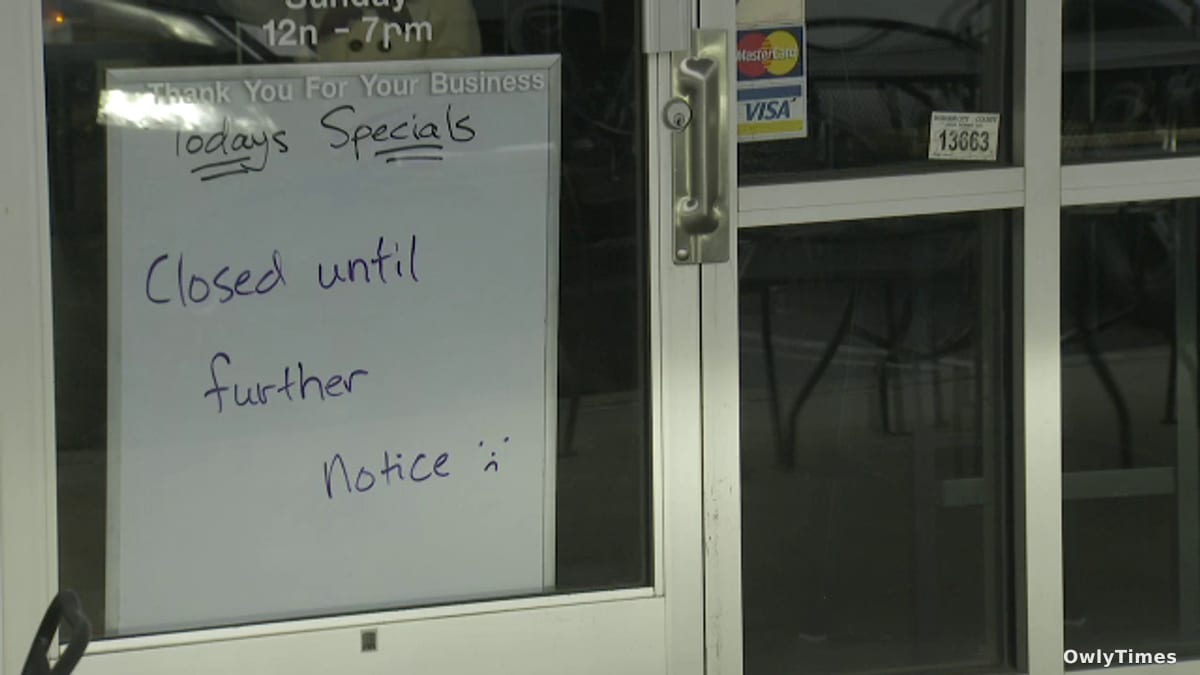
The closure of the shopping center during the peak dinner rush on Thursday, and the subsequent indefinite closure of Randy’s Pizza, created a ripple effect. One business owner reported cancelling over a dozen prepared orders, representing a direct loss of revenue. Extrapolating from this single data point – assuming an average order value of $85, a conservative estimate for a pizza and accompanying sides – the cancelled orders alone represent $1,020 in lost sales. However, the impact extends far beyond cancelled orders. The broader disruption to foot traffic, driven by fear and the police investigation, likely resulted in significantly larger losses across the entire shopping center. Industry benchmarks suggest a typical restaurant experiences a 20-30% revenue decrease in the immediate aftermath of a nearby violent incident, and that’s before factoring in the reputational damage.
Ward 2 Councilwoman Shanette Burris correctly identifies the core issue: perceived safety directly impacts consumer behavior. “If you don’t feel safe, you are not going to want to patronize a business,” she stated. This isn’t simply a matter of public sentiment; it’s a rational economic calculation. Consumers will allocate their spending to areas where they feel secure, shifting demand away from zones perceived as high-risk. This dynamic is particularly damaging to small businesses, which often operate on tighter margins and lack the marketing resources to counteract negative publicity. The reliance on local patronage makes them uniquely vulnerable to localized crime spikes.
The statements from Mayor Leonardo Williams and Councilwoman Burris regarding “working on solutions” are notably vague. While acknowledging the problem, they focus on broader questions of weapon access and the root causes of shootings – important long-term goals, but insufficient to address the immediate economic pain. The city’s current strategy appears reactive, addressing the symptoms of crime rather than proactively mitigating the risks to businesses. Durham’s crime rate has seen a 12% increase year-over-year, according to the Durham Police Department’s latest report, and this trend is directly impacting the bottom line of local entrepreneurs. The city’s economic development initiatives risk being undermined if safety concerns continue to escalate.
The situation at Randy’s Pizza and the surrounding businesses highlights a critical vulnerability in Durham’s economic landscape. The question now is whether the city will move beyond acknowledging the problem and implement concrete, measurable strategies to protect its small business owners. Will Durham invest in increased police presence in commercial areas, offer financial assistance to businesses impacted by crime, or explore innovative security solutions? Investors and consumers alike should watch for a detailed action plan, with specific funding allocations and performance indicators, within the next quarter. Without a clear commitment to addressing the economic consequences of crime, Durham risks losing not only revenue, but also the vibrancy of its local business community.