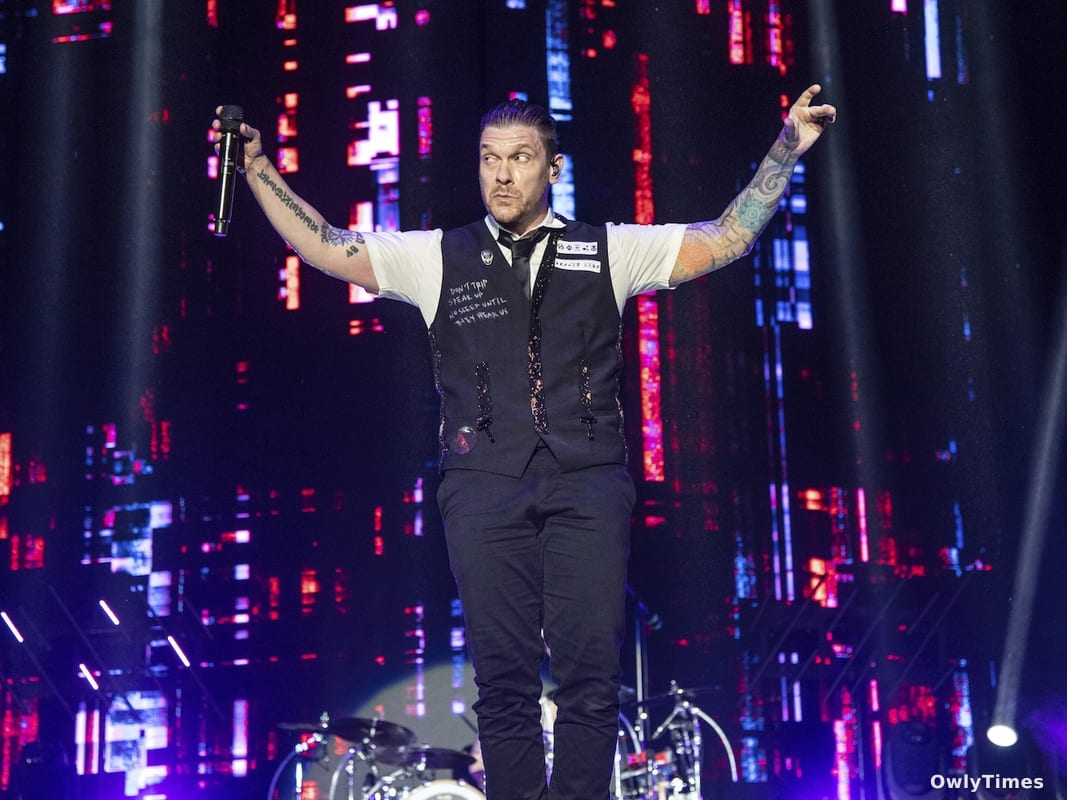

The air in Green Bay, Wisconsin on May 13th will likely smell like anticipation – and maybe a little bit of beer. That’s the launchpad for Shinedown’s “Dance, Kid, Dance Act II” tour, a behemoth of a run spanning over 50 dates across 11 countries. But this isn’t just another rock tour announcement; it’s a snapshot of a shifting landscape where bands are increasingly relying on relentless touring to connect with fans and, crucially, to survive. In an era of streaming dominance and fragmented attention spans, the live experience has become the primary revenue driver for most musicians, and Shinedown is leaning into that reality with a force that’s both impressive and, frankly, a little bit telling.
The tour, supporting their upcoming eighth studio album “Ei8ht” (due May 29th), is a testament to the band’s enduring appeal. They recently sold out Madison Square Garden – a milestone for any act – and are now doubling down with a schedule that would exhaust a younger band. The North American leg alone features a dizzying array of stops, including Albany, New York’s MVP Arena on July 18th, with a stacked supporting lineup of Coheed and Cambria, From Ashes to New, and DJ Rock Feed, alongside select dates featuring Black Stone Cherry and Those Damn Crows. This isn’t a simple headliner-plus-opener situation; it’s a curated experience designed to maximize value for the ticket buyer. But that value comes at a cost – and not just financially for the fans.
This piece references the syracuse.com report.
Beyond the headlines of tour dates and album releases, a more complex story is unfolding about the economics of live music. The sheer scale of this tour, and the reliance on multiple support acts, speaks to the pressure bands face to deliver a spectacle. The industry has seen ticket prices steadily climb, with the average concert ticket now exceeding $100 – a 14% increase from 2023, according to data from Pollstar. Shinedown isn’t necessarily driving that increase, but they’re operating within a system that demands it. The band is offering fans multiple avenues to purchase tickets, from traditional outlets like Ticketmaster to resale marketplaces like Vivid Seats (with a first-time buyer discount code ADVANCE30 for $30 off orders over $200) and SeatGeek (TAKE5 for $5 off $300+ orders) and TicketNetwork (TIXDEAL15 for 15% off). This proliferation of options, while seemingly consumer-friendly, also highlights the fragmentation of the ticketing market and the growing role of secondary sellers.
Interestingly, Shinedown recently opted out of the Kid Rock’s Rock the Country Festival, joining Ludacris, Morgan Wade, and Carter Faith in withdrawing from the event. While the reasons weren’t explicitly stated, it’s a pointed move that suggests a careful consideration of brand alignment and audience expectations. In a political climate where artists are increasingly expected to take a stand, even a festival lineup can become a statement. This decision, coupled with the ambitious “Dance, Kid, Dance Act II” tour, demonstrates Shinedown’s agency in shaping their own narrative and controlling their connection with fans. They’re not simply playing the game; they’re actively navigating its complexities.
The release of “Ei8ht” feels almost secondary to the tour itself. The album, following 2022’s “Planet Zero,” includes singles like “Dance, Kid, Dance,” “Three Six Five,” and “Safe and Sound,” but the primary goal isn’t necessarily to break sales records. It’s to provide a soundtrack for the live experience, to give fans new material to sing along to, and to reinforce the band’s identity as a powerful, energetic live act. Looking ahead to 2026, Shinedown is already booked to headline Sonic Temple and host their own destination festival, Lunatic Ball Beach Weekend in Florida, further solidifying their position as a major force in the rock world. The question now isn’t whether Shinedown can maintain this momentum, but whether the industry as a whole can adapt to a future where the live experience is paramount – and where bands must constantly innovate to stay relevant and, ultimately, solvent. Will we see more artists adopting this model of relentless touring and diversified revenue streams, or will the current system eventually buckle under its own weight?