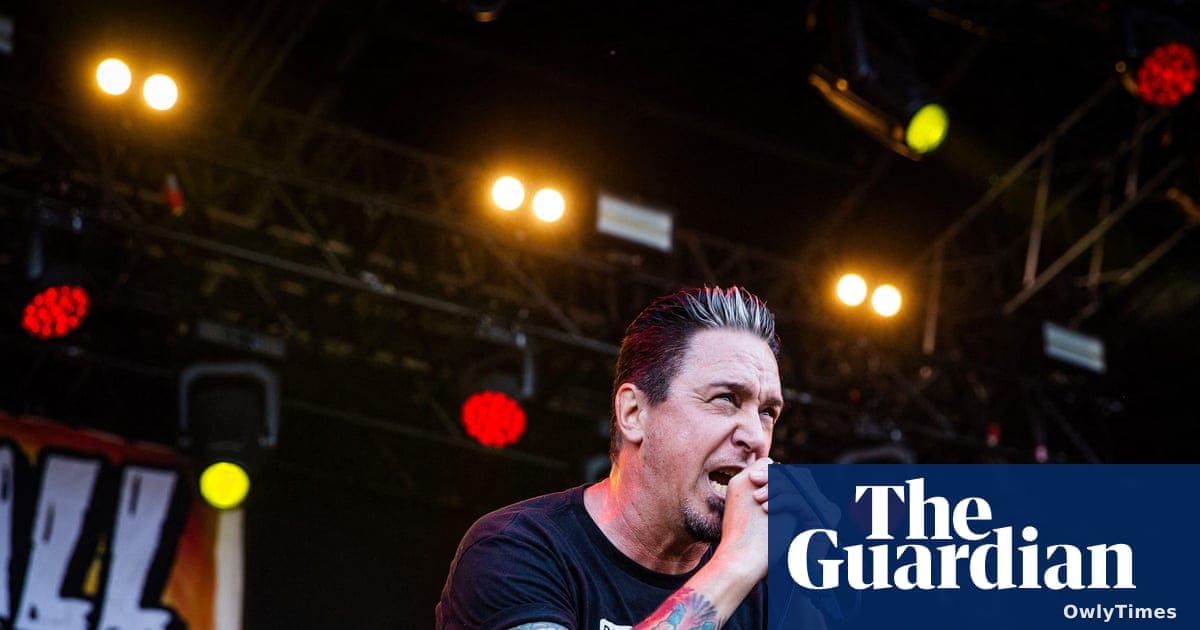

Is it possible for a band to be a global institution while remaining fundamentally "dorky"? In the polished, algorithm-driven landscape of modern music, where artists are often manufactured to be impenetrable brands, the death of Lou Koller serves as a stark reminder that true influence is built on radical, messy, face-to-face humanity.
The real story here isn’t just the loss of a punk icon; it’s the quiet collapse of the "tough guy" myth in heavy music that Koller and his band, Sick of It All, dismantled for four decades. Multiple outlets, including The Guardian, Rolling Stone, and Billboard, confirm that Koller passed away at age 59 following a battle with esophageal cancer that had extended into his stomach.
The Architect of Inclusivity
While many hardcore acts of the 1980s leaned into the aesthetic of puffed-chest aggression, Koller turned the mosh pit into a community center. As Rolling Stone notes, Koller famously placed the microphone on stage for fans to use, turning the barrier between performer and audience into a permeable membrane. This wasn’t just a gimmick; it was a technical philosophy. Koller himself, cited in an archival interview from the Live in NYC ’91 VHS, explained that their music was written for "total crowd participation," arguing that stage barricades only served to "dull the energy."
This ethos defined the band’s trajectory. Formed in Queens in 1986 by Lou and his brother, guitarist Pete Koller, the band stood as a pillar of the New York Hardcore (NYHC) scene alongside peers like Agnostic Front and Cro-Mags. Billboard reports that the group’s 1989 debut, Blood, Sweat, and No Tears, became a genre landmark, eventually contributing to a career-long total of at least half a million records sold worldwide by 2020.
A Battle Played Out in Public
The transparency Koller brought to his stage presence carried over into his final months. He first disclosed his diagnosis in June 2024, a fact corroborated by both The Guardian and Billboard. While The Guardian reports that he was declared cancer-free in May 2025 following chemotherapy, the sources agree that the cancer returned shortly thereafter, leading to his death this past Friday.
The response from the music community was immediate and tangible. Beyond the tributes, Billboard notes that fans actively contributed to a medical fund to assist with his treatment, highlighting a rare alignment between digital-age crowdfunding and old-school scene loyalty.
Beyond the Stage
Koller’s influence extended well beyond the speakers. As Rolling Stone points out, his legacy was uniquely summarized by Justin Brannan, a former musician turned NYC council member, who credited Koller with making "outcast kids all over the world feel seen." In a digital era where user engagement is often measured in clicks and passive streams, Koller’s career reminds us that the most durable technology for building a movement remains the shared, physical experience of a room full of people looking out for one another.
The immediate future of the band is uncertain, though the shadow of their 40th anniversary—which would have been celebrated this year—looms over the tributes. As the music industry continues to consolidate into monolithic platforms, the loss of a figure like Koller signals the end of a specific, grassroots era of artist-to-fan connection. We are left with a 12-album studio catalog and the uncomfortable question of whether modern digital platforms are capable of fostering the same level of genuine, high-stakes community that Koller built in the damp basements of the 1980s.