
Can we bridge the gap between abstract environmental data and the public’s sense of stewardship for their local ecosystems? This is the central question currently driving the work of the Sierra Streams Institute, a regional leader in watershed science that has spent three decades translating complex ecological monitoring into actionable community knowledge. As the organization prepares to celebrate its 30th anniversary, the focus remains on whether direct, hands-on scientific participation can effectively foster long-term environmental protection.
Three Decades of Watershed Data
Sierra Streams Institute was founded in 1995 by a group of concerned citizens and scientists who recognized that the health of Deer Creek required more than just sporadic observation. Over the last 30 years, the organization has evolved from a local monitoring effort into a significant entity conducting long-term water quality monitoring, ecological research, and forest restoration across multiple watersheds, including the Yuba River and the Bear River.
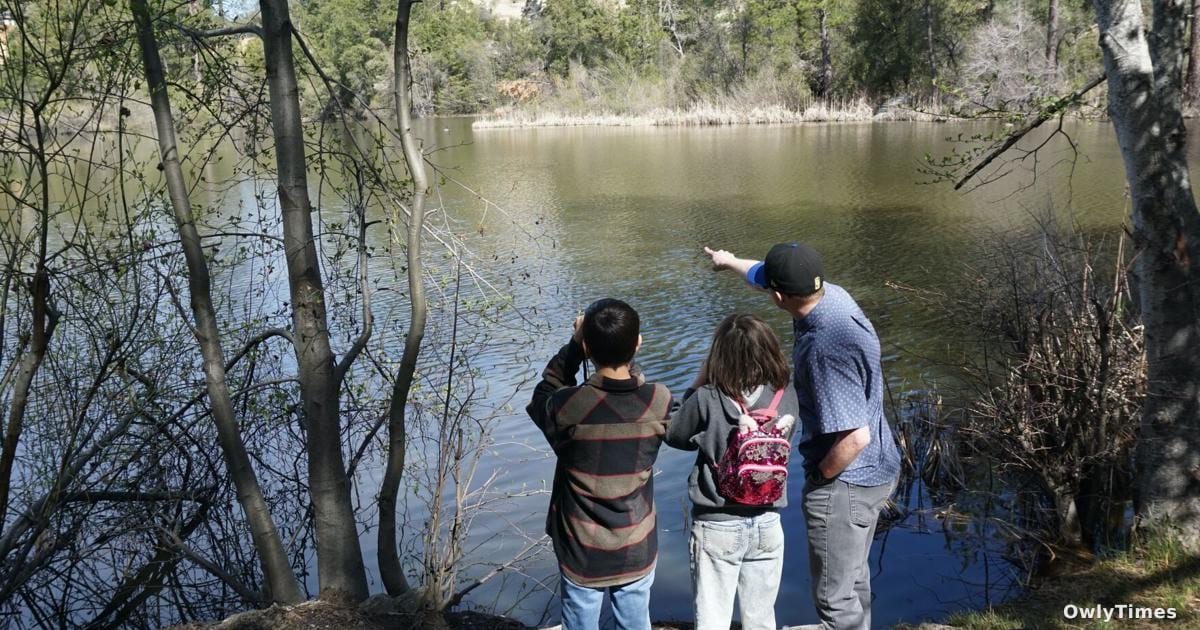
While many environmental organizations rely on reporting aggregated data to policy makers, the Institute has prioritized the role of the volunteer and the student. By involving the community in the process of gathering samples and tracking changes in water health, they aim to turn the public into informed stakeholders rather than passive observers. This methodology assumes that when individuals see the microscopic reality of an ecosystem—such as the aquatic insects found in Little Deer Creek—the urgency of preservation becomes tangible rather than theoretical.
Bridging Science and Public Engagement
The upcoming Sierra Streams 30th Anniversary Science Fest, scheduled for Saturday, May 16, from 1 p.m. to 5 p.m. at Pioneer Park in Nevada City, represents a deliberate attempt to quantify the success of this public-facing approach. The event is designed as an outdoor hub of discovery where the organization’s professional methodology is distilled into interactive exhibits.
"For 30 years, Sierra Streams Institute has been dedicated to the most important aspects of environmental preservation—monitoring, examining, and understanding through science," said Jeff Lauder, Executive Director. By integrating art and music alongside science stations and flowing stream tables, the event seeks to demonstrate how data collection is not merely an academic exercise, but a creative and essential tool for managing the Sierra Nevada landscape.
Limitations to Consider
While the event serves as an effective outreach tool, it is important to distinguish between public engagement and the rigorous, long-term scientific requirements of watershed management. The primary function of the Institute remains the provision of high-quality, actionable information used by researchers and land managers to protect water quality. Bringing hundreds of students into the field is a successful educational model for fostering interest, but the scalability of this model depends on the continued ability to maintain consistent, longitudinal data sets across diverse waterways in Northern California and Nevada. The success of these programs is ultimately measured by their ability to convert momentary curiosity into sustained scientific literacy and policy-relevant monitoring.
The Path Toward Future Stewardship
The next stage for the organization will be defined by the results of its ongoing ecological research and its ability to continue training the next generation of environmental stewards. Interested parties can track the organization's progress through its established monitoring programs, which provide the metrics needed to gauge the health of the region's rivers and forests. As the institute looks past its 30th year, the next reading of its long-term water quality data will serve as the primary indicator of whether this community-integrated model continues to provide the necessary protection for the region’s vital ecosystems. Information regarding the organization's broader research initiatives can be found at www.sierrastreamsinstitute.org.