
Simpson’s Endorsement Signals a Consolidation of Power in Florida’s HD 74 Race
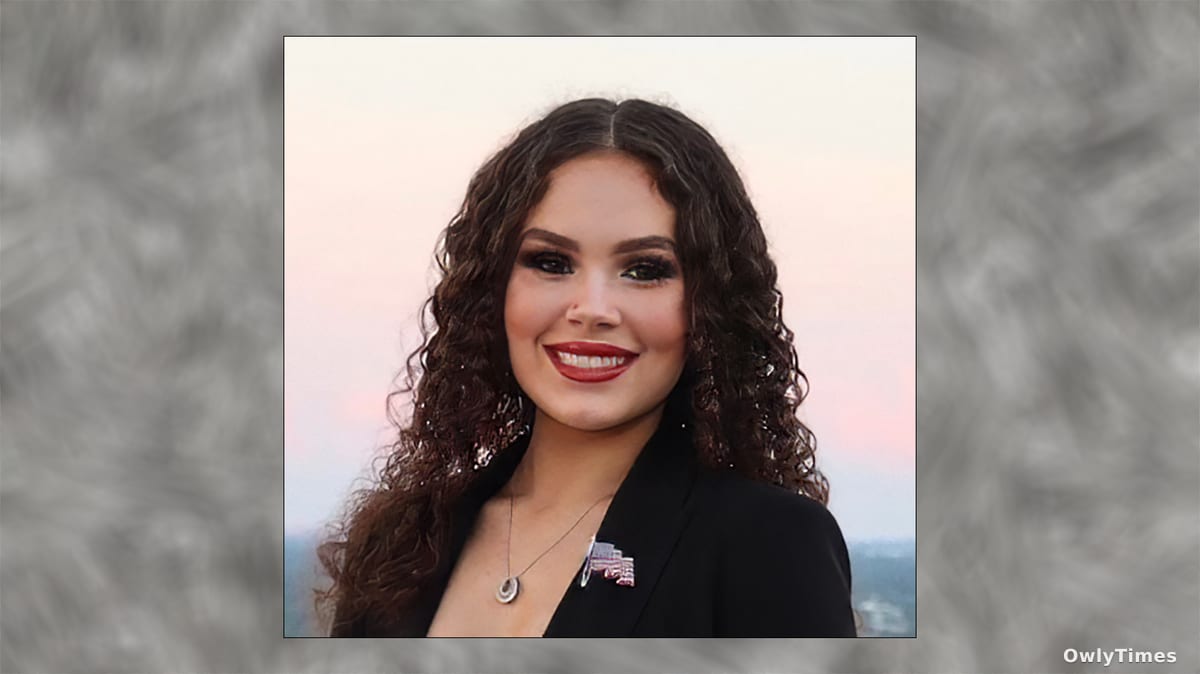
The strategic calculation behind Wilton Simpson’s endorsement of Kelly Ann Walker in the House District 74 primary isn’t about simply backing a candidate; it’s about securing a reliable ally in a rapidly shifting Sarasota County, and signaling a clear preference for a particular brand of conservatism within the Florida GOP. Simpson, a former Senate President and a figure known for carefully calibrating his political influence, is effectively placing a marker on the “America First” wing of the party, and attempting to consolidate support behind a candidate he deems both ideologically aligned and strategically valuable. This move isn’t merely about filling the seat vacated by James Buchanan, who is now pursuing a Senate run; it’s about shaping the future direction of policy within the district and beyond.
Drawn from Florida Politics.
Who benefits and who loses from this endorsement is immediately apparent. Walker gains a significant boost in fundraising potential and name recognition, leveraging Simpson’s extensive network and political capital. Simpson, in turn, secures a potential advocate for his agricultural priorities and conservative agenda within the House. The clear loser is Nick Pachota, who had secured an endorsement from Buchanan himself, and who now finds himself positioned as the establishment alternative to Walker’s more populist appeal. The split in establishment support – Buchanan backing Pachota, Simpson backing Walker – reveals a tension within the Sarasota County GOP, a struggle for control over the party’s identity and future. The fundraising numbers reflect this dynamic: Walker’s $258,000 cash on hand, bolstered by $100,000 in loans, gives her a clear advantage over Pachota’s $189,000, and a substantial lead over Jennifer Winkler and the trailing candidates.
This scenario echoes historical patterns of power consolidation within Florida politics. Consider the influence of former Senate Presidents like Don Gaetz and Bill Lee, who routinely used their endorsements to elevate candidates aligned with their policy objectives and maintain control over legislative agendas. Simpson’s move is a continuation of this tradition, demonstrating the enduring power of the Senate Presidency to shape the political landscape even after a leader has left office. The key difference here is the explicit framing of Walker as an “America First” conservative, a signal to the base that Simpson is attuned to the evolving demands of the Republican electorate. This is a departure from the more traditional, business-focused conservatism often associated with figures like Buchanan and Gruters.
Walker’s background – raised on a Manatee County farm, active in FFA and JROTC, and holding degrees in political science and business – is carefully curated to appeal to both rural voters and the increasingly influential suburban conservative base. Her experience working for Greg Steube and Vern Buchanan provides her with valuable institutional knowledge of the district and the workings of Washington, D.C. However, her relative lack of legislative experience compared to Pachota, the Venice Mayor, could become a point of contention. The fact that Democrat Nancy M. H. Simpson has raised a mere $25 suggests the real battle will be decided within the Republican primary, and the outcome will largely determine the ideological direction of the district for years to come.
The political chess move to watch next is how Pachota responds. Will he attempt to portray Walker as an inexperienced extremist, or will he pivot to emphasize his local government experience and appeal to moderate Republicans? More importantly, will other influential figures within the Sarasota County GOP weigh in, further solidifying the divide or attempting to broker a compromise? The answer to that question will reveal whether Simpson’s endorsement is a decisive blow, or merely the opening salvo in a protracted and potentially damaging intra-party struggle.





