
The Calculus of a Trump Endorsement in California
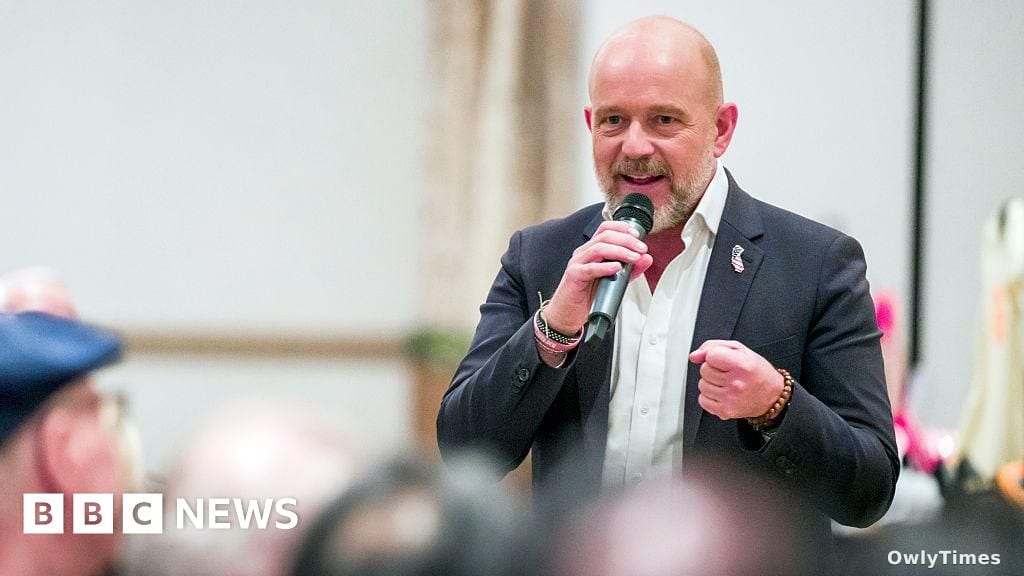
Donald Trump’s endorsement of Steve Hilton for California governor isn’t about winning in November; it’s a strategic maneuver to demonstrate continued influence within the Republican party and, potentially, to disrupt California’s political landscape even in defeat. The move, announced via Truth Social, isn’t a conventional attempt to capture the governor’s mansion – a feat Republicans haven’t achieved in two decades – but a calculated risk designed to force a realignment of power dynamics within both parties. Trump isn’t investing in a likely victory; he’s making a play for narrative control.
This piece references the the BBC report.
The immediate effect is a reshuffling of the Republican primary. With ten candidates already vying for the June 2nd primary, the field was ripe for a consolidation. Chad Bianco, Riverside County Sheriff and the other significant Republican contender, now faces an uphill battle. Trump’s endorsement effectively draws a line in the sand, signaling to donors and activists where the former president’s weight lies. Who benefits and who loses here is clear: Hilton gains immediate visibility and access to Trump’s fundraising network, while Bianco risks being sidelined, potentially fracturing the Republican vote and increasing the odds of a Democrat advancing to the general election. This echoes the 2016 primary, where Trump’s endorsements, even late in the game, proved decisive in consolidating the anti-establishment vote.
Hilton’s background adds another layer of complexity. His prior role as a top aide to former British Prime Minister David Cameron – and subsequent public criticism of Cameron’s immigration policies – speaks to a political flexibility that appeals to Trump. Hilton’s journey from Conservative advisor to Fox News host to California gubernatorial candidate is a testament to his ability to adapt and rebrand. This mirrors the career trajectory of figures like Newt Gingrich, who successfully navigated shifting ideological currents to become a prominent voice in the Republican party. However, Hilton’s relatively recent arrival in California – applying for US citizenship in 2019 – and his past association with a British Conservative government could be liabilities in a state fiercely protective of its progressive identity.
The March poll from the University of California, Berkeley’s Institute of Governmental Studies, which showed Hilton and Bianco ahead of the Democratic contenders, triggered alarm within the California Democratic Party. The poll, a statistical anomaly given the state’s political leanings, prompted calls from party officials for candidates to drop out, revealing a vulnerability Democrats hadn’t anticipated. This vulnerability is precisely what Trump is exploiting. He’s not necessarily confident Hilton can win, but he is confident he can exacerbate the divisions within the Democratic party and force them to expend resources defending a state they typically take for granted. The Democrats’ internal scramble to consolidate behind a single candidate demonstrates the success of this initial phase of the strategy.
The long-term implications extend beyond California. Trump’s endorsement serves as a signal to other potential candidates in swing states: loyalty to him remains the most valuable currency in the Republican party. It’s a demonstration of power intended to influence future primaries and shape the party’s platform. The question now is whether Hilton can capitalize on this momentum and translate Trump’s endorsement into a viable path to the general election. The political chess move to watch next isn’t whether Hilton wins, but whether he can force a Democratic runoff between candidates who have fundamentally different visions for the state – and whether Trump can then leverage that division to further his own political goals.





