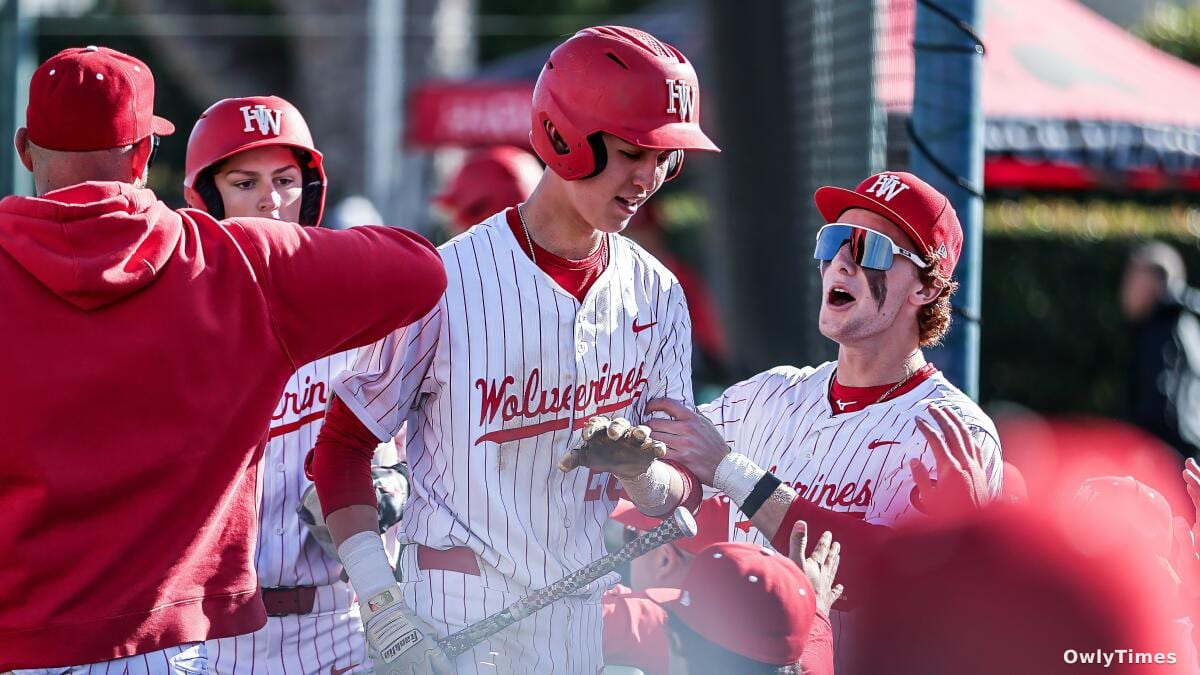

The crack of the bat echoed across the diamond at Harvard-Westlake, a sound that, for Ira Rootman, wasn’t just the start of a new season, but a potential launching pad. Two home runs, six RBIs in the first two games – numbers that immediately catapulted the Texas commit and his team to number three in The Los Angeles Times' high school baseball rankings, released February 22, 2026 by columnist Eric Sondheimer. But beyond the box scores and the early-season hype, this opening week reveals a shift in the landscape of Southern California high school baseball, one increasingly defined by individual ambition and the relentless pursuit of professional futures. It’s a world where a single strong showing isn’t just about winning games, it’s about building a brand.
The Reclassifying Prospect and the Accelerated Timeline
The most striking development in the rankings isn’t a team’s dominance, but Jared Grindlinger’s decision to reclassify. The Huntington Beach player, now eligible for the draft a year earlier, immediately becomes a potential first-round pick. This isn’t an isolated incident. The trend of players accelerating their timelines – foregoing senior seasons, reclassifying – is accelerating, fueled by the allure of multi-million dollar contracts and the increasingly sophisticated scouting networks that identify talent younger and younger. While Huntington Beach lands at number four, the story isn’t about their tie, it’s about the pressure cooker environment that pushes players to make these life-altering decisions. It begs the question: are we prioritizing player development, or simply accelerating the exploitation of young talent? The financial incentives are undeniable, but the long-term impact on the high school game – and the players themselves – remains to be seen.
See the original the Los Angeles Times story for the full account.
Duke Bound: The Rise of the Twin Powerhouse
At the top of the rankings, St. John Bosco holds steady at number one, but the narrative isn’t about their unblemished record (yet). It’s about James and Miles Clark, twins who have simultaneously committed to Duke. This isn’t just a recruiting win for the Blue Devils; it’s a testament to the growing importance of family branding in high school athletics. Colleges aren’t just recruiting individuals anymore, they’re recruiting units, recognizing the built-in chemistry and shared ambition that twins – or siblings – can bring to a program. The Clark brothers represent a new breed of athlete, one acutely aware of their marketability and leveraging it for collective gain. This dynamic extends beyond recruitment, influencing social media presence, endorsement opportunities, and even the types of training regimens they pursue.
Beyond the Box Score: Pitching Dominance and Early Season Indicators
While power hitting grabs headlines – Danny DeLaTorre’s two home runs for Corona, Oaks Christian’s Carson Sheffer launching into the season with a double and a home run – a closer look at the rankings reveals a different story: pitching depth. Sherman Oaks Notre Dame’s combined 18-strikeout performance, El Dorado’s pitching shutting down Sierra Canyon, Ayala’s Caleb Trugman debuting with eight strikeouts, and Villa Park’s Jack McGuire with seven – these aren’t just wins, they’re statements. In a game increasingly driven by analytics, the ability to consistently throw strikes and limit opposing offenses is paramount. This early emphasis on pitching suggests a potential shift in strategy, a move away from the “home run or bust” mentality towards a more sustainable, fundamentally sound approach. Mira Costa’s strong pitching depth, landing them at number 25, further reinforces this trend.
The Future of the Southland Game: A Professional Pipeline?
The 2026 high school baseball season in the Southland isn’t just about championships; it’s about showcasing talent for the next level. The rankings, as compiled by Craig Weston and Eric Sondheimer, aren’t simply a measure of current performance, they’re a scouting report for college recruiters and, increasingly, professional scouts. The reclassification of players like Jared Grindlinger is a symptom of a larger trend: high school baseball is becoming a de facto minor league system. The question now is whether this professionalization will ultimately benefit the game, or erode the amateur spirit that has long defined it. Will we see more players prioritizing immediate financial gain over collegiate development? And what will happen to the schools left behind, unable to compete with the resources and exposure available to the elite programs and players? The coming months will reveal whether this is a golden age of talent, or the beginning of a fundamental shift in the very nature of high school baseball.

