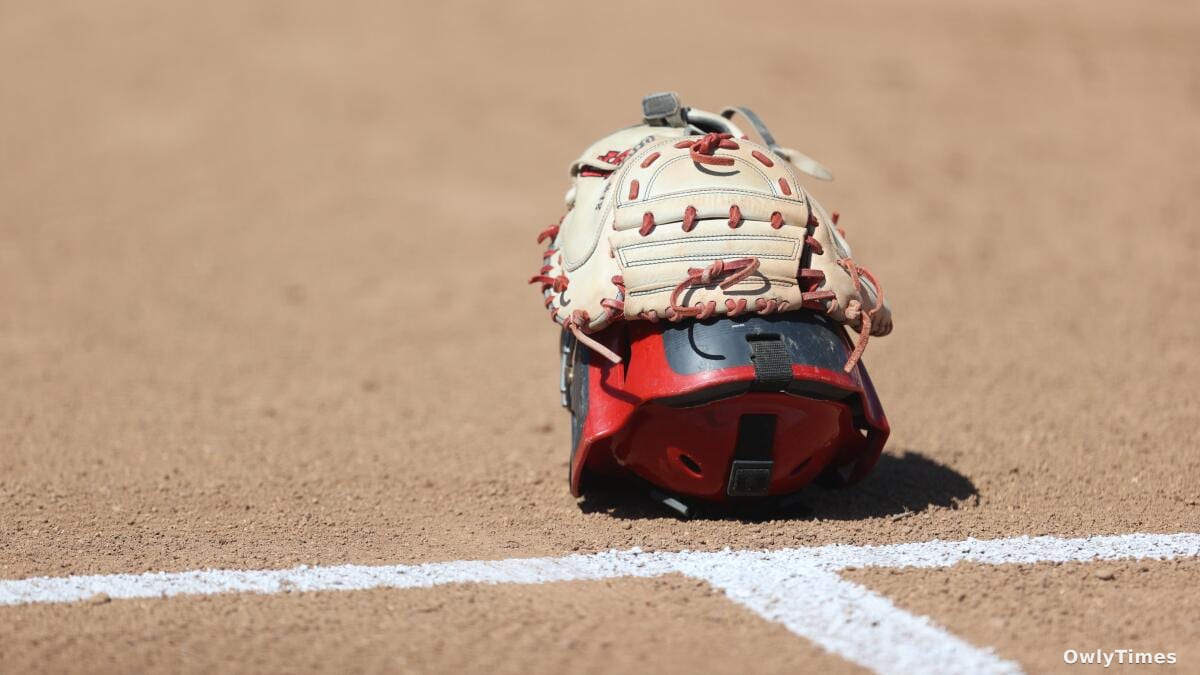

The dust hadn’t even settled from the final pitch of last season when the chatter began: 2026 would be a year of rebuilding for Southern California high school softball. Yet, looking at the latest rankings from CalHiSports, published today by Eric Sondheimer of the Los Angeles Times, the narrative isn’t one of decline, but of a startling reshuffling of power. It’s not just about who’s on top – Murrieta Mesa claiming the #1 spot with an impressive 11-0 record – it’s about who isn’t. The fall of traditionally dominant programs, and the rise of unexpected contenders, speaks to a deeper shift in how young women are accessing and excelling in this sport, and what that means for the future of competitive softball.
The Shifting Sands of Southern California Softball
For years, names like Orange Lutheran (currently ranked #8 with a 5-3 record) and Santa Margarita (#15, 7-1) were synonymous with Southern California softball dominance. These programs, often fueled by robust club connections and significant financial resources, consistently produced Division I athletes. Their current positions, hovering in the middle of the CalHiSports Top 20, aren’t simply a slow start; they represent a genuine struggle to maintain their historical advantage. Consider Orange Lutheran’s record – a stark contrast to the powerhouse status they’ve enjoyed for over a decade. This isn’t a blip; it’s a symptom. The landscape is leveling, and the old guard is facing a challenge from schools like Murrieta Mesa and Valley View (ranked #14 with a perfect 10-0 record), programs that are building success from the ground up, focusing on strong local talent and community support.
Original reporting: the Los Angeles Times.
Beyond the Win-Loss Record: Access and Opportunity
The story isn’t just about wins and losses; it’s about access. The rise of programs like Ganesha (#14, 3-0) – a public school with limited resources – suggests a broadening of opportunity. For too long, elite softball has been largely the domain of those who can afford expensive travel teams and private coaching. While those avenues remain important, the success of schools like Ganesha demonstrates that raw talent, combined with dedicated coaching and a supportive school environment, can compete with – and even surpass – programs with deeper pockets. This echoes a national conversation about equity in youth sports, where financial barriers often prevent talented athletes from reaching their full potential. The CalHiSports rankings, in this context, aren’t just a list of good teams; they’re a snapshot of a sport slowly becoming more accessible.
The Notre Dame and JSerra Surge: A New Breed of Athlete?
The impressive performances of Sherman Oaks Notre Dame (#9, 8-1) and JSerra (#2, 10-1) are particularly intriguing. Both schools are demonstrating a consistent ability to develop players who are not only skilled but also possess a remarkable level of athleticism. Notre Dame, in particular, has become a hotbed for multi-sport athletes, with several players also excelling in volleyball and basketball. This trend – the rise of the versatile athlete – is becoming increasingly common across all levels of sport, and it’s a direct response to the growing emphasis on athletic development and cross-training. JSerra’s success, meanwhile, points to a strategic focus on player development and a commitment to building a strong team culture. Their early-season dominance suggests they’re a team to watch as the season progresses.
What This Means for the Future of the Game
These rankings aren’t just a momentary snapshot; they’re a potential harbinger of change. The traditional power structures in Southern California softball are being challenged, and the sport is becoming more competitive and more accessible. This is good news for the game as a whole. A wider pool of talent will lead to greater innovation, increased excitement, and a more diverse representation of athletes. But the question remains: will these emerging programs be able to sustain their success? Can they continue to attract and develop top talent in the face of competition from established powerhouses? And, crucially, will the increased accessibility translate into greater opportunities for young women from all backgrounds to pursue their dreams of playing softball at the collegiate level? The 2026 season is just beginning, but the CalHiSports rankings have already told us one thing: the game is changing, and it’s time to pay attention.