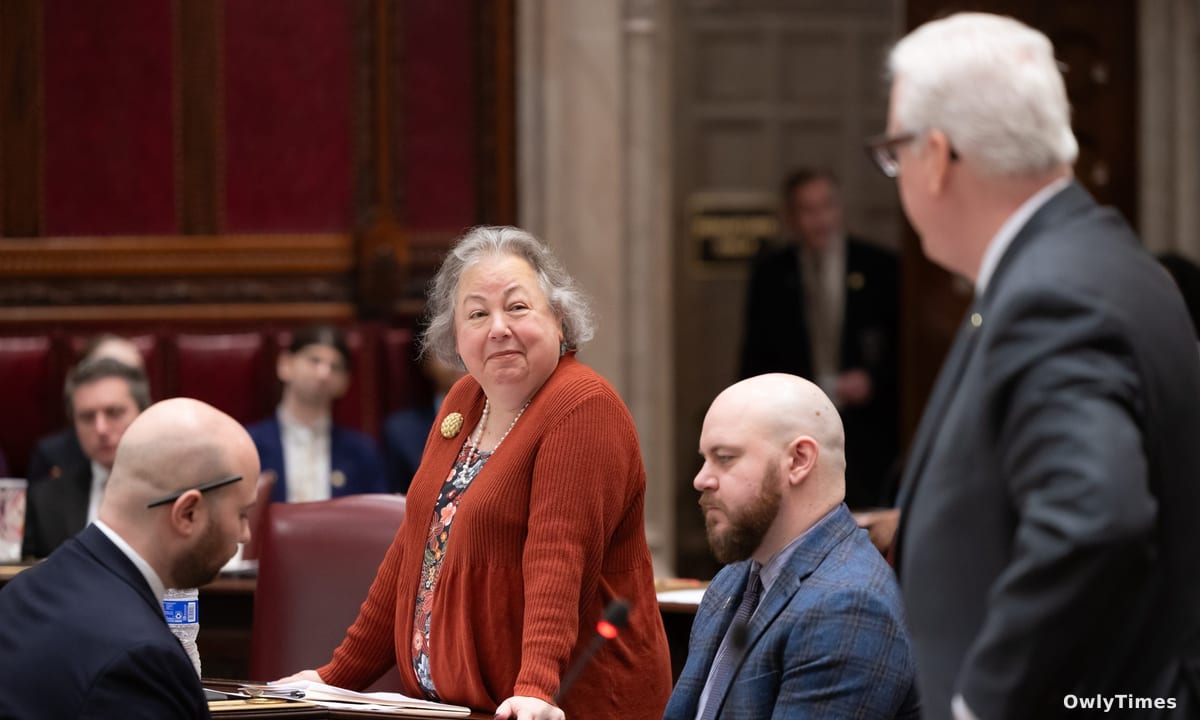

The sudden incapacitation of Liz Krueger, Chair of the New York State Senate Finance Committee, isn’t simply a matter of wishing a dedicated public servant a swift recovery. It’s a strategic disruption to the delicate power balance within the state legislature, occurring at a particularly vulnerable moment in the budget cycle. The immediate concern is Krueger’s health, but the political calculus unfolding in Albany centers on who will control the levers of fiscal policy during her absence – and how that shift will reshape the final budget outcome. This isn’t about replacing a person; it’s about replacing a gatekeeper.
The Budget Process and Krueger’s Central Role
Krueger’s influence extends far beyond simply chairing the Finance Committee since 2019. She’s known as a meticulous negotiator, a staunch advocate for progressive priorities, and, crucially, a pragmatic dealmaker willing to compromise – but only on her terms. Her long tenure, dating back to a special election win in 2002, has afforded her deep institutional knowledge and a network of relationships that span both sides of the aisle. The current budget extender vote, cited by OwlyTimes, isn’t a sign of legislative gridlock, but a calculated move to buy time – time that Krueger would normally be using to finalize agreements. The fact that a temporary extension was deemed necessary before her stroke speaks to existing tensions within the budget negotiations, tensions now amplified by her absence. The state faces a $226 billion budget, a figure 2.3% larger than last year’s, and the stakes are high for competing interests ranging from education funding to healthcare provisions.
Who Benefits and Who Loses in the Interim?
The most immediate beneficiary of Krueger’s absence is Mike Gianaris, the Senate Deputy Majority Leader. While the official line from Senate Majority Leader Andrea Stewart-Cousins emphasizes the well-being of their colleague, the implicit acknowledgement that Gianaris may assume a larger role during floor debate is a clear signal. Gianaris is a more overtly progressive voice than Krueger, and his increased influence could push the budget further to the left. This presents a potential point of friction with Governor Kathy Hochul, who has signaled a desire for a more moderate approach, particularly regarding spending constraints. Conversely, moderate Democrats and Republicans who relied on Krueger’s willingness to find common ground may find themselves with less leverage. Lobbying groups representing industries facing potential tax increases or regulatory changes will likely recalibrate their strategies, anticipating a less receptive ear in the Finance Committee.
This piece references the capitolpressroom.org report.
Historical Echoes: Leadership Vacuums and Budgetary Shifts
The situation echoes a similar dynamic that played out in 2009 when then-Senate Majority Leader Malcolm Smith faced ethics investigations. While the circumstances were different – a scandal versus a medical emergency – the result was the same: a power vacuum that allowed factions within the Senate to vie for control of the agenda. In 2009, the resulting chaos delayed the budget and ultimately led to a series of concessions from the Governor. The key difference now is the relative stability of the current Senate majority under Stewart-Cousins. However, the underlying principle remains: a weakened leadership position in the Finance Committee creates an opportunity for other actors to exert influence. The historical precedent suggests that a prolonged absence of a strong Finance Chair often results in a budget that is less predictable and more susceptible to last-minute changes.
Beyond the Budget: The Long-Term Implications
The impact of Krueger’s stroke extends beyond the immediate budget negotiations. Her committee chairmanship has been instrumental in shaping the state’s fiscal policy for years, and her absence could delay or derail other key legislative priorities. Furthermore, the episode raises questions about succession planning within the Senate leadership. While Gianaris is the obvious short-term replacement, the long-term implications for his political trajectory – and for the future of the Finance Committee – remain uncertain. The fact that Krueger is “in regular contact” with leadership, as her spokesman stated, suggests an attempt to maintain some level of control even from her hospital bed. But the reality is that Albany operates on momentum, and a prolonged absence will inevitably erode her influence.
The political chess move to watch next isn’t whether Gianaris steps up, but how he uses that opportunity. Will he leverage his increased power to push for a significantly more progressive budget, risking a showdown with the Governor? Or will he adopt a more cautious approach, attempting to maintain a semblance of continuity while Krueger recovers? The answer to that question will reveal not only the future of this budget cycle, but also the emerging power dynamics within the New York State Senate.




