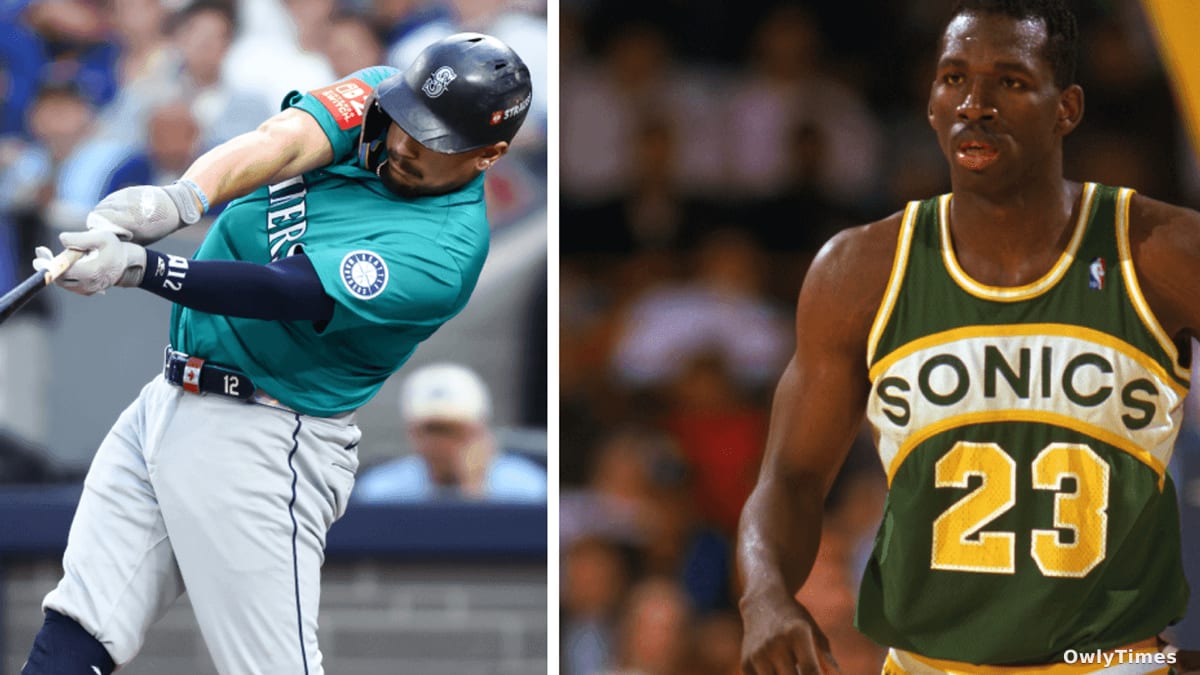

The roar hadn’t even fully faded from Allegiant Stadium – the confetti still swirling in the Vegas air after the Seattle Seahawks’ decisive Super Bowl 60 victory – when the debate ignited anew. Not about Geno Smith’s MVP performance, or Pete Carroll’s strategic brilliance, but about what comes next. Because in Seattle, 2026 isn’t just about basking in football glory; it’s about a city poised on the precipice of potentially witnessing two historic championship runs simultaneously. The question isn’t if Seattle is a sports town, but which Seattle will history remember most fondly this year: the one crowned in baseball, or the one resurrected on the basketball court?
A City Divided by Dreams
The hypothetical, posed initially as a lighthearted poll by KOMOSportsDirector Niko Tamurian, quickly became a city-wide obsession. Would you choose a Mariners World Series victory – a drought stretching back to the franchise’s 1995 inception – or the return of the Seattle Supersonics, a wound that’s festered for over a decade since the team’s controversial relocation to Oklahoma City in 2008? It’s a question that cuts to the core of Seattle’s sporting identity, exposing a generational divide and a complex relationship with heartbreak and hope. The Mariners represent a slow burn, a decades-long loyalty rewarded with near misses and tantalizing glimpses of potential. The Sonics, however, are about reclaiming a stolen piece of the city’s soul, a visceral yearning for a past that feels both vividly remembered and impossibly distant. Early polling data suggests a surprisingly even split, with 52% leaning towards the Mariners and 48% advocating for the Sonics’ return as the more impactful moment. This isn’t just fandom; it’s civic pride, and a reckoning with a past marked by both triumph and betrayal.
Beyond the Headlines: The Economics of Hope
The fervor surrounding both possibilities isn’t simply emotional. It’s fueled by tangible momentum. The Mariners, after a stunning ALCS run in 2025 – highlighted by Josh Naylor’s clutch hitting – have invested heavily in bolstering their roster, adding key pitching depth and a power-hitting outfielder. Baseball revenue across MLB increased by 8.7% in 2025, driven by increased attendance and streaming subscriptions, giving teams like the Mariners the financial flexibility to compete. Meanwhile, the potential return of the Sonics is no longer a pipe dream. A new ownership group, led by tech mogul Raj Patel, has secured a preliminary agreement with the city for a state-of-the-art arena in the Uptown neighborhood. The NBA, facing pressure to expand its footprint and capitalize on the growing popularity of basketball globally, is reportedly receptive to the idea. League revenue hit a record $8.76 billion in 2025, a 12% jump, making expansion a financially viable option. The economic impact of bringing back the Sonics is estimated to be over $800 million annually, a figure that’s not lost on city officials eager to revitalize the Uptown area.
Drawn from komonews.com.
The Weight of History and the Power of Narrative
What makes this scenario so compelling isn’t just the potential for championships; it’s the narrative weight attached to each outcome. The Mariners winning would be a testament to perseverance, a validation of a fanbase that has remained remarkably loyal despite decades of disappointment. It would be a story of building something from the ground up, a homegrown success in a league increasingly dominated by big-market spending. The Sonics’ return, however, is a story of redemption, of righting a wrong, of a city refusing to let its identity be erased. It’s a narrative that resonates far beyond the basketball court, tapping into broader themes of community, resilience, and the fight against corporate greed. Consider the parallel with the Las Vegas Golden Knights’ improbable Stanley Cup run in 2023 – a city embracing a new team and forging a collective identity. Seattle is craving that same sense of belonging, that same opportunity to rewrite its sporting narrative.
What This Moment Says About Seattle – and the Future of Sports
The fact that Seattle is even having this conversation speaks volumes about the city’s evolving identity. Once defined by its grunge music scene and its tech industry, Seattle is now firmly establishing itself as a major sports destination. The Seahawks’ consistent success, the Sounders FC’s MLS Cup victory in 2019, and the growing excitement surrounding both the Mariners and the potential Sonics all contribute to this narrative. But beyond Seattle, this moment highlights a broader trend: the increasing importance of narrative in professional sports. Fans aren’t just looking for wins; they’re looking for stories they can connect with, for teams that represent their values, for moments that transcend the game itself. The question isn’t just whether Seattle will win a World Series or welcome back the Sonics. It’s what story will resonate most deeply with a city – and a sports world – hungry for meaning. Will we be watching for the Mariners to finally break through, or will the focus shift to the logistical hurdles and political maneuvering surrounding the Sonics’ return? The answer will likely define Seattle’s sporting landscape for years to come.

