
The pursuit of optimal health has long been fractured into two distinct camps: the clinical, data-driven world of medicine and the experiential, often subjective realm of wellness. As we navigate a landscape where chronic stress and burnout are increasingly prevalent, the scientific question becomes one of integration: can we bridge the gap between rigorous physiological markers and the intangible benefits of somatic and spiritual practice?
Bridging the Clinical-Wellness Divide
This question serves as the foundation for the upcoming Soul x Science event, returning to London on 16 May 2026. Organized by the Switzerland-based advisory FUEGO, the event seeks to move beyond the superficial trends often found in the wellness industry. By pairing practitioners like Dr. Jenna Macciochi, an expert in psychoneuroimmunology, with breathwork specialists like Susan Oubari, the organizers are attempting to place ancient practices within a modern scientific framework.
The event’s founder, Diana Oblak, developed the concept following a personal health crisis. After a successful career as a Managing Director in real estate investment, a serious accident forced her to confront the limitations of the current health ecosystem. She observed that clinical settings provided necessary structure but frequently neglected the human need for connection, while alternative practices offered depth but often lacked a verifiable, scientific grounding.
What the Experience Offers vs. Expectations
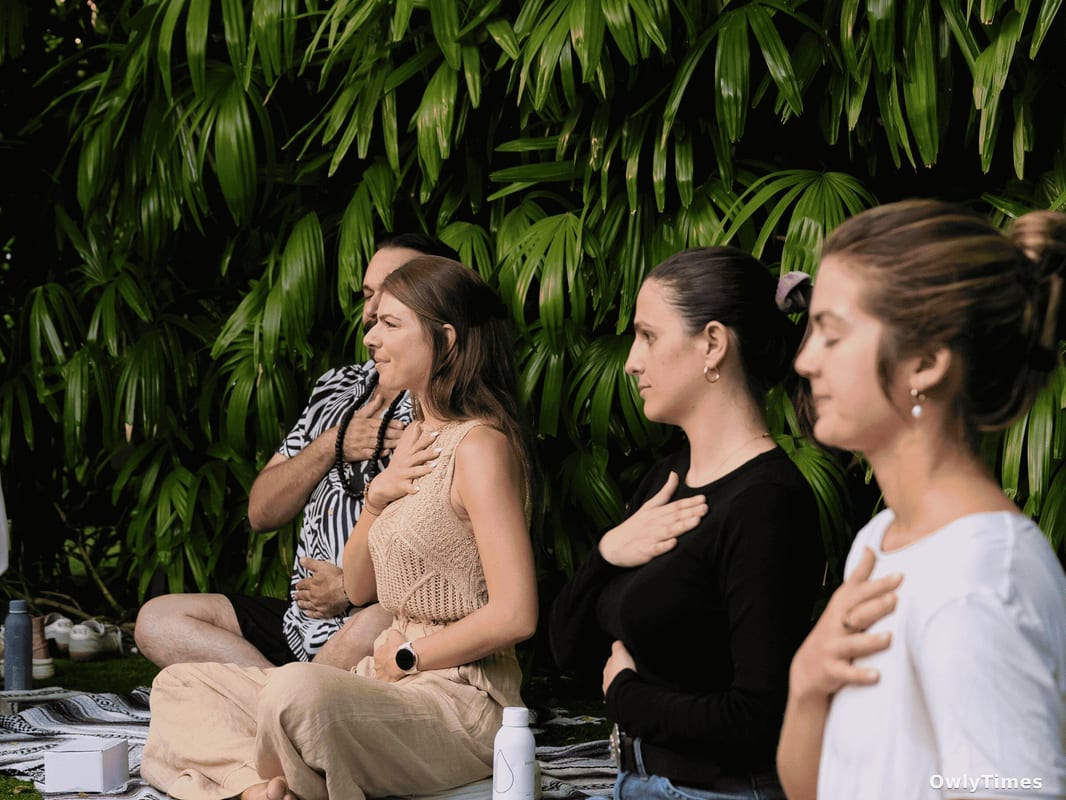
Headlines surrounding wellness events often imply a "quick fix" or a medical breakthrough, but the reality of the Soul x Science format is an immersive, educational experience rather than a clinical intervention. Participants will engage in workshops ranging from meditation to sensory experiences in darkness. The goal, according to Oblak, is not to provide more intellectual data for attendees to process, but to facilitate a shift in how individuals experience their own physical and mental states.
It is important to distinguish this event from a medical conference. While the inclusion of Dr. Ed Caddye, one of the first UK doctors trained in Health Optimization Medicine, adds a layer of professional rigor, the program is designed for personal health exploration rather than the treatment of pathology. The inclusion of a VIP pathway—which features a pre-arrival questionnaire and a one-to-one consultation—suggests an effort to personalize the experience, though the efficacy of such short-term interventions remains a subject of ongoing debate in behavioral science.
Limitations to Consider
While the interdisciplinary approach is promising, potential attendees should be aware of the limitations inherent in such high-level wellness immersions. The "Soul x Science" model relies on the assumption that individuals can meaningfully integrate complex physiological concepts with somatic practices in a single day. There is limited peer-reviewed evidence suggesting that brief, one-day immersive experiences produce lasting changes in long-term health outcomes. Furthermore, at a starting ticket price of £245, the event remains an exclusive experience, raising questions about the scalability and accessibility of these integrated health insights for the general public.
The Path Toward Future Research
The next steps for this initiative will be measured by the feedback from the 41 Portland Place event, which follows a sold-out debut in November 2025. The evolution of FUEGO’s advisory work, specifically how they translate these event-based insights into their corporate consultancy and residential design projects, will provide a clearer picture of whether this "bridge" between science and soul can be sustained. As the health sector continues to grapple with the divide between clinical data and lived experience, the success of these integrative models will be determined by whether they can move from temporary, high-impact events toward lasting, measurable shifts in public health habits.





