
At first glance, the proliferation of spa treatments – from Himalayan salt caves to fish pedicures – can feel like a frivolous pursuit, a luxury indulgence disconnected from genuine wellbeing. But a closer look at the science reveals a surprisingly robust connection between these practices and our fundamental nervous system regulation. It’s not simply about pampering; it’s about intentionally activating the body’s inherent capacity for rest and repair, a capacity often overwhelmed in modern life. The current surge in spa visits – revenue reached $19.9 billion in 2023, a 4.4% increase from the previous year according to the Global Wellness Institute – isn’t just a trend; it reflects a growing recognition of the physiological need for deliberate downtime.
The core principle underpinning many spa therapies lies in shifting the nervous system from a state of “fight-or-flight” to “rest-and-restore.” As Dr. Brook Choulet, founder of Choulet Performance Psychiatry in Scottsdale, explains, “Imagine that your nervous system has two modes: fight-or-flight versus rest-and-restore. Many [people] live in fight-or-flight response.” This chronic activation, driven by the stress hormones cortisol and epinephrine, isn’t merely unpleasant; it’s demonstrably destructive to long-term health. The key to recalibrating this balance, Dr. Choulet and other researchers are finding, is stimulating the vagus nerve, a crucial component of the parasympathetic nervous system responsible for regulating everyday bodily functions.
This piece references the phoenixmag.com report.
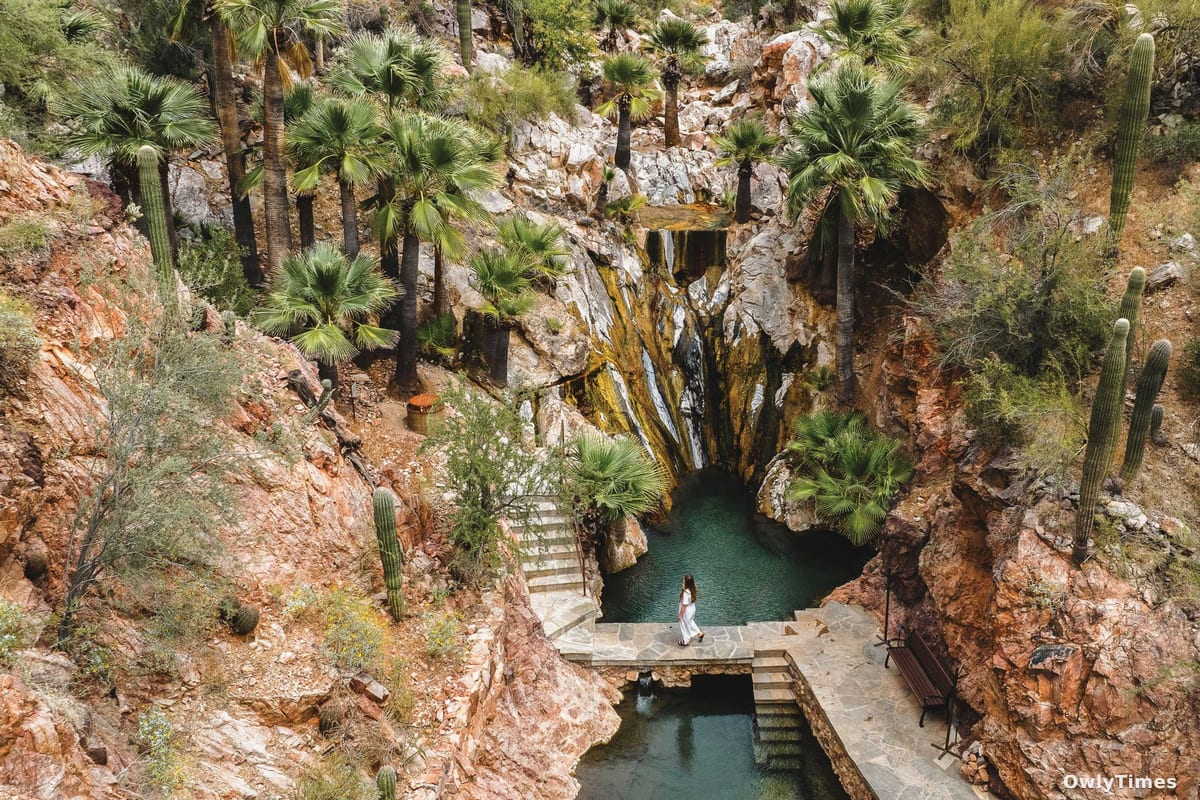
Consider the seemingly simple act of soaking in a hot spring. Castle Hot Springs, nestled in the Bradshaw Mountains near Phoenix, boasts geothermal pools with the highest lithium content in the country. While the resort’s lush scenery undoubtedly contributes to a sense of calm, the water’s mineral composition plays a significant role. Lithium, magnesium, and sodium bicarbonate are all absorbed transdermally, activating calming neurotransmitters and improving circulation. However, a 2025 study at the University of Oregon’s Bowerman Sports Science Center revealed that the heat itself is a primary driver of these benefits. Researchers found that hot-water immersion lowered blood pressure, improved stress response, and stimulated the immune system more effectively than dry or infrared saunas, due to the body’s limited ability to cool itself when fully submerged. Dr. Susan Sorosky, founder and chief medical officer at Desert Spine and Sports Physicians in Phoenix, confirms this, stating, “There is strong data behind heat therapy. When paired with standard care, such as physical therapy, heat can be very effective for healing and recovery.”
This interplay between heat and cold is further exemplified by the traditional Turkish bath, or hammam, offered at Joya Spa at Omni Scottsdale Resort & Spa at Montelucia. The ritual – alternating between steam, exfoliation, and a cold deluge – leverages the physiological effects of vasodilation and vasoconstriction. Heat expands blood vessels, increasing blood flow and lowering blood pressure, while the subsequent cold shock constricts vessels, lessening pain signals and triggering a release of endorphins. It’s a carefully orchestrated physiological dance designed to reset the nervous system. The authenticity of Joya’s hammam, with its imported Moroccan tiles and traditional kessas, isn’t merely aesthetic; it reinforces the cultural context that signals safety and relaxation to the brain.
But what about treatments that seem less grounded in established physiology, like sound bath therapy? These often elicit skepticism, appearing “woo-woo” on the surface. However, the underlying principle – altering brainwave activity through vibration – is rooted in neuroscience. Singing bowls produce frequencies that can shift the brain from a beta state (normal waking consciousness) to alpha, theta, or delta states, associated with relaxation and sleep. While quantifying the “profound” effects, as practitioner Jill Branscum at Fairmont Scottsdale Princess’s Well & Being Spa describes them, remains a challenge, the physiological changes – slowed heart rate, lowered blood pressure, reduced cortisol – are measurable.
It’s crucial to acknowledge the limitations of these studies. Many rely on self-reported data, susceptible to the placebo effect. As Dr. Choulet points out, “The psychological experience itself is the [medical] intervention. A ‘successful’ spa experience includes feeling safe, in control, cared for and being offered a predictable environment. The body responds to meaning, safety and context as much as it responds to the physical treatment itself.” This isn’t to diminish the benefits, but to recognize that the context of the spa – the design, the ambiance, the intention – amplifies the physiological response. The placebo effect, in this case, isn’t “imaginary” but a genuine neurobiological phenomenon.
Looking ahead, research needs to move beyond simply demonstrating that these therapies work to understanding how they work on a granular level. Specifically, studies should focus on quantifying the impact of different frequencies in sound therapy, mapping the neural pathways activated during cranial sacral therapy, and identifying the optimal mineral concentrations for therapeutic hot springs. Furthermore, investigating the long-term effects of regular spa treatments on biomarkers of stress and inflammation is essential. Will consistent engagement with these practices translate into sustained improvements in cardiovascular health, immune function, and mental wellbeing? That’s the question we should be watching for – and the data that will ultimately determine whether the spa experience is a fleeting indulgence or a legitimate pathway to lasting health.





