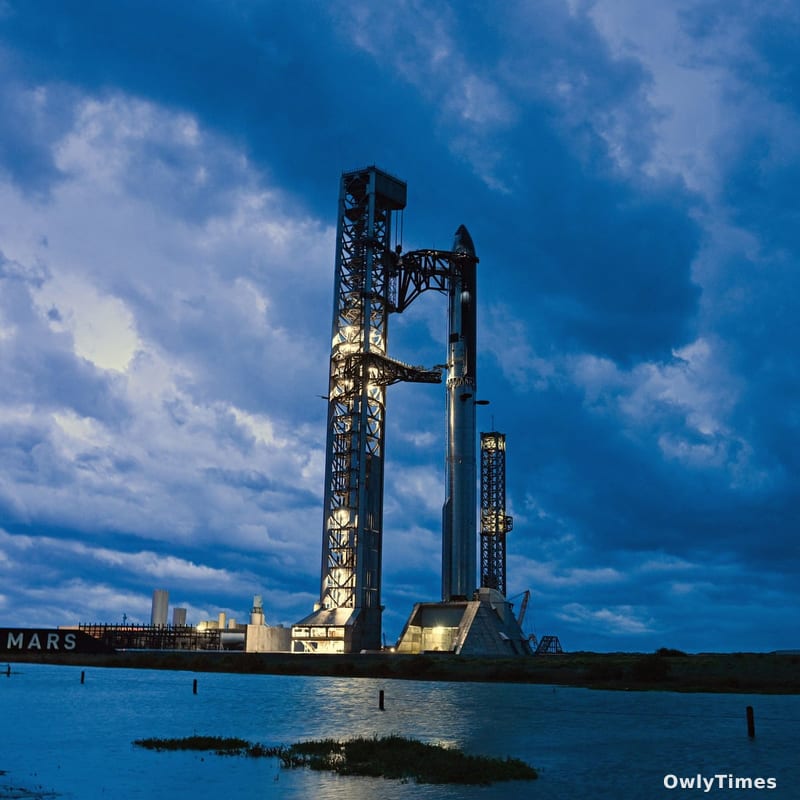

Is the most valuable company in history a aerospace titan, or is it a high-stakes, multi-billion-dollar experiment in one man’s personal ecosystem? As SpaceX prepares for a staggering $1.75tn debut on the US stock market next month, the narrative of a disciplined, mission-driven rocket manufacturer is colliding with the messy, interconnected reality of its founder’s empire.
The real story here isn't the rocket science—it’s the circular economy of Elon Musk’s corporate interests. According to the investor prospectus released Wednesday, SpaceX isn’t just buying hardware; it is acting as a primary benefactor for Musk’s other ventures.
The Cybertruck Subsidy
To understand the scale of this interdependency, look at the Tesla Cybertruck. The filing reveals that in 2025 alone, SpaceX dropped $131m on these vehicles. At a manufacturer’s suggested retail price ranging from roughly $69,900 to $99,900, that translates to at least 1,300 trucks.
To put that in perspective, auto industry sales reports indicate Tesla sold only 20,237 Cybertrucks in total last year. SpaceX didn't just buy a fleet for transport; it effectively acted as a significant anchor client for a product that still struggles to find mass-market ubiquity. When a company with "history of net losses" spends this heavily on the products of its founder's sister firm, it raises questions about whether these expenses are driven by operational necessity or an internal capital recycling program.
The Cost of "Multiplanetary" Missions
SpaceX is betting its future on a vision that sounds more like a sci-fi novel than a traditional aerospace business. The company explicitly states that its mission is to "ensure species-level redundancy" and avoid the "fate of dinosaurs." These are not just marketing slogans; they are tied to a massive incentive structure. Musk is set to receive an award of 1bn shares if he succeeds in establishing a permanent human colony on Mars with at least 1 million inhabitants.
Investors are being asked to buy into a company that lost $4.9bn in 2025 and an additional $4.3bn in the first quarter of 2026 alone. The prospectus offers a refreshingly blunt warning: many of these "innovative products" may simply never work. For the ordinary user, this means the stock isn't a bet on current revenue—it is a speculative wager on the eventual success of a multiplanetary vision that the company itself admits may never reach profitability.
From AI Risks to Personal Security
The filing also exposes a startling friction between the company’s mission and the baggage of its acquisition, xAI. SpaceX has inherited the legal and regulatory headaches surrounding the Grok chatbot, which the company admits has been linked to the generation of nonconsensual imagery and potential intellectual property infringement. With the Center for Countering Digital Hate estimating that Grok generated over 3m sexualized images in just 11 days, SpaceX now finds itself on the hook for the reputational and legal fallout of an AI product that is currently under investigation by domestic and international law enforcement.
Layered on top of this are the rising costs of Musk’s personal protection. SpaceX has funneled increasing amounts into the founder's private security firms, from $2m in 2023 to $4m last year, with an additional $1m spent in the first three months of 2026.
The next reading of the company's quarterly burn rate will show whether the massive investments in experimental technology and internal cross-purchasing can be sustained once the company transitions from a private entity to a publicly traded Securities and Exchange Commission registrant. For now, investors are buying a ticket to Mars, but they are paying for the Cybertrucks and security teams in the present.