
49% – that’s the share of Northern Virginia business leaders identifying the proposed expansion of sales taxes to services as the most significant threat to their growth, according to a new survey released by the Northern Virginia Chamber of Commerce. While headlines focus on Governor Spanberger’s declining approval rating – currently at 47%, with 46% disapproval according to a recent Washington Post/George Mason University poll – the deeper story is a systemic erosion of business confidence fueled by a perceived disconnect between policy decisions in Richmond and the realities of operating in the Commonwealth. Follow the money, and you’ll find a pattern: increased costs, regulatory uncertainty, and a growing sense that Virginia is becoming less hospitable to enterprise.
The Weight of New Costs
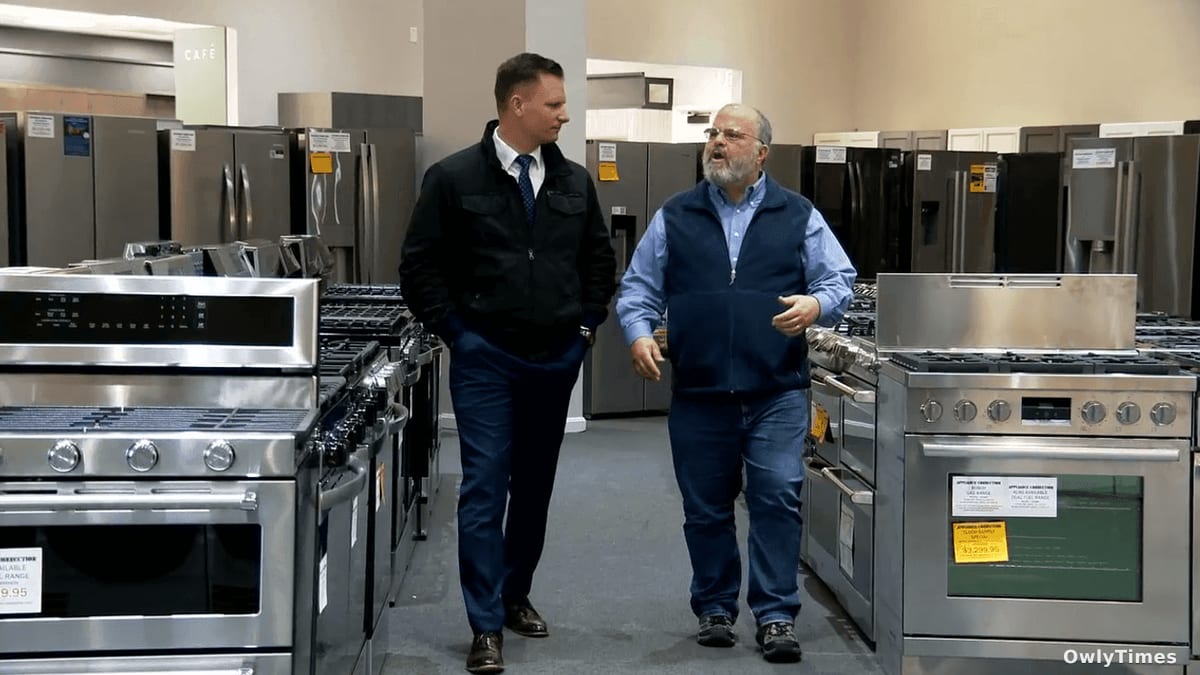
The Chamber’s survey paints a stark picture. Beyond the sales tax expansion, concerns are clustered around a potential repeal of right-to-work laws (27%), a new “millionaire’s tax” (18%), minimum wage increases (17%), and mandated paid family and medical leave (13%). These aren’t isolated issues; they represent a coordinated shift towards increased labor costs and expanded taxation. Marty, owner of Appliance Connection in Woodbridge, succinctly captures the sentiment: “Business is a little slow right now…tariffs, and now we're seeing sort of new trends of the state and federal government that are making me nervous.” This nervousness isn’t anecdotal. A full third of Virginia business owners now expect the regional economy to decline. This is a significant shift from even moderate pessimism; it’s a projection of contraction. The proposed paid family and medical leave, while intended to support workers, is viewed by many small business owners like Marty as an unfunded mandate that will ultimately increase costs for both employers and consumers.
This piece references the wjla.com report.
From DOGE to Dollars: A Cascade of Challenges
Northern Virginia’s economic vulnerability isn’t solely attributable to recent legislative proposals. The region has already absorbed shocks from external factors, notably the volatility of cryptocurrency markets – specifically, the impact of DOGE – and broader inflationary pressures manifesting as tariffs. These pre-existing conditions have created a fragile economic base, making businesses particularly sensitive to new cost burdens. The timing is critical. While the federal government’s inflationary pressures are easing, Virginia’s proposed policies are poised to increase costs at the state level, effectively counteracting any potential benefits from national trends. This creates a double bind, where businesses are simultaneously navigating external economic headwinds and internal policy challenges.
A Disconnect in Understanding
The core of the problem, according to Tony Howard of the Loudoun Chamber, is a fundamental lack of understanding among policymakers. “There's a concern that our elected leaders and policy makers don't truly understand what it takes to run a business.” This isn’t simply a matter of political disagreement; it’s a crisis of perception. A staggering 50% of business leaders believe state legislators don’t understand business operations, with another 41% unsure. This lack of understanding is reflected in the policies being proposed – policies that, according to the Chamber’s survey, are perceived as detrimental to growth. Kate Bates of the Arlington Chamber of Commerce adds that even the threat of these policies creates uncertainty, hindering investment and expansion. The tourism industry in Arlington is specifically concerned about a proposed tax on hotels, further illustrating the broad impact of these policies.
Spanberger’s Affordability Agenda: A Question of Results
The declining approval rating of Governor Spanberger, coupled with voter skepticism about her “affordability agenda” – with a majority believing it will either fail to reduce costs or actually increase them – underscores the disconnect. As Jeremy Mayer of George Mason University points out, Spanberger benefited from a favorable comparison to her opponent in the last election. Now, she’s being judged on her own merits, and the results aren’t favorable. The focus on tax increases, combined with concerns about redistricting, is eroding public trust. This isn’t simply a political problem for the Governor; it’s a signal that voters are questioning the effectiveness of her economic policies.
What this means for your wallet: Watch closely for the fate of the proposed sales tax expansion. If passed, expect to see service costs – from auto repair to legal services – increase across Northern Virginia. More importantly, consider whether the current policy trajectory will incentivize businesses to relocate to states with more favorable economic climates. The question isn’t just whether Virginia can afford these new policies, but whether it can afford not to address the growing concerns of its business community.





