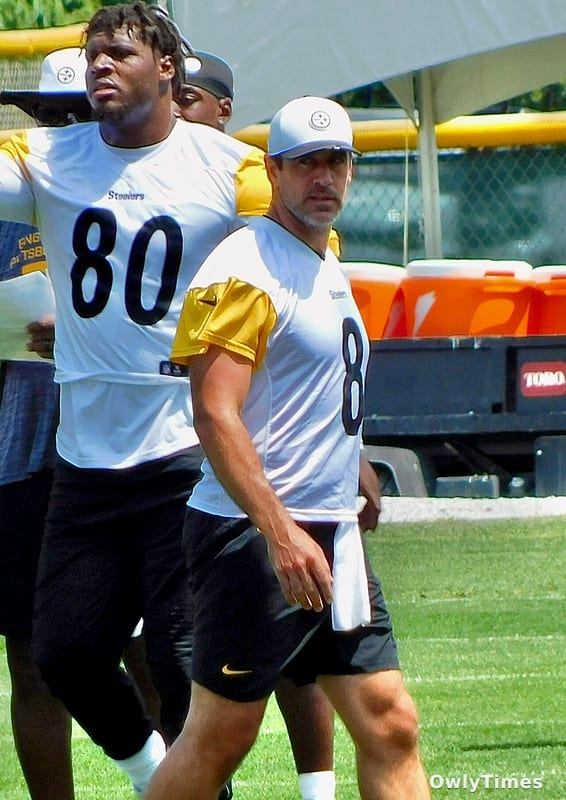

The chipped paint on the goalposts at Acrisure Stadium feels particularly symbolic this offseason. Another year, another quarterback question mark hanging over the Pittsburgh Steelers, but this time, it’s different. It’s not a lack of trying, or a draft pick gone wrong. It’s a landscape so barren at the most important position in football that the Steelers, flush with draft capital and salary cap space, might actually be looking at bringing back Aaron Rodgers – a player who, just last year, felt like a relic of a bygone era. This isn’t about finding a franchise cornerstone; it’s about damage control in a league where quarterback scarcity is the new normal, and the Steelers are staring into the abyss of a truly underwhelming free agent and draft class.
For the third consecutive offseason, the Steelers find themselves in quarterback purgatory. But unlike previous years, the problem isn’t a lack of resources. They’re sitting pretty with the No. 21 pick in the 2026 NFL Draft, a robust 12 picks overall – including four within the top 100 – and the eighth-most salary cap space in the league. The issue is simple: there’s no one worth spending those resources on. The 2026 draft class is projected to yield only two consensus first-round quarterbacks, with Fernando Mendoza widely expected to land with the Las Vegas Raiders at No. 1. This dearth of talent is forcing the Steelers to consider options that, just a few years ago, would have been unthinkable – and it speaks to a broader trend of diminishing returns in quarterback development and the increasing premium placed on even moderately competent players at the position.
This piece references the Yahoo Sports report.
The desperation is palpable, and it’s driving a fascinating, if somewhat unsettling, exploration of the quarterback scrap heap. The Steelers are meticulously dissecting a group of players who represent the “best of the bad,” a collection of reclamation projects, fading veterans, and intriguing but unproven backups. Daniel Jones, fresh off a solid, if unremarkable, season with the Indianapolis Colts, is on the radar. He embodies the modern NFL quarterback revival story – a player cast aside by a dysfunctional organization only to find success in a stable environment under Shane Steichen. But a recent Achilles injury and the Colts’ apparent commitment to re-signing him complicate matters. Then there’s Malik Willis, the athletic but raw prospect currently backing up Jordan Love in Green Bay. He represents potential, but his limited experience and the potential for a bidding war could drive his price tag to an uncomfortable level – a cautionary tale of inflated value for quarterbacks who flash brilliance in small samples.
The team is even considering players who, on paper, seem like outright non-starters. Tua Tagovailoa, plagued by a frightening concussion history and carrying a hefty contract, is a high-risk, high-reward proposition. Kyler Murray, a former Pro Bowler whose career has been derailed by injuries and inconsistency, presents a similar dilemma. The Steelers are weighing the potential upside against the very real possibility of inheriting another expensive underperformer. This isn’t just about finding a quarterback; it’s about navigating a market warped by scarcity, where teams are willing to overpay for even a glimmer of hope. The fact that the Steelers are seriously contemplating these options underscores the severity of the situation and the lengths to which they’re willing to go to avoid another season of quarterback instability.
Beyond the names and the draft projections, this situation reveals a fundamental shift in how NFL teams value the quarterback position. The league is increasingly reliant on finding quarterbacks who can thrive in specific systems, rather than relying on raw talent and arm strength. Players like Daniel Jones and Mac Jones – both former first-round picks who floundered in unfavorable situations – are now seen as potential diamonds in the rough, capable of resurrecting their careers with a change of scenery and a supportive coaching staff. This trend highlights the importance of scheme fit and quarterback-coach synergy, and it suggests that the days of relying on a quarterback to single-handedly carry a team are largely over. The Steelers, historically a team that prioritized strong quarterback play, are now forced to adapt to this new reality, and their search for a solution reflects this evolving landscape.
But what if Aaron Rodgers decides to hang up his cleats? What if the draft doesn’t yield a viable option? The Steelers’ exploration of the quarterback market isn’t just about finding a starter for 2026; it’s about preparing for a future where quarterback stability is increasingly elusive. The team’s abundance of draft capital and salary cap space provides them with a unique opportunity to navigate this uncertain landscape, but it also comes with the risk of making a costly mistake. Will they swing for the fences with a high-risk, high-reward prospect? Or will they settle for a safe, but ultimately uninspiring, veteran stopgap? The answer to that question will not only define the Steelers’ quarterback situation for the next few years, but it will also serve as a bellwether for how the rest of the league approaches the quarterback position in an era of unprecedented scarcity and uncertainty. The question isn’t just who will be the Steelers’ quarterback in 2026, but what will this desperate search reveal about the future of the game itself?