
What happens to the infrastructure of medicine when the very ground it stands on is destabilized by prolonged conflict? In the case of Sudan, the answer is a cascading failure where the biological reality of disease—such as the pulmonary tuberculosis currently affecting Omar Othman—collides with a shattered medical supply chain. While public discourse often focuses on the macro-level political struggle between Sudanese Armed Forces (SAF) chief General Abdel Fattah al-Burhan and Rapid Support Forces (RSF) leader Mohamed Hamdan Dagalo, the true scientific crisis is the quiet, systematic erosion of the nation’s ability to treat basic infectious conditions.
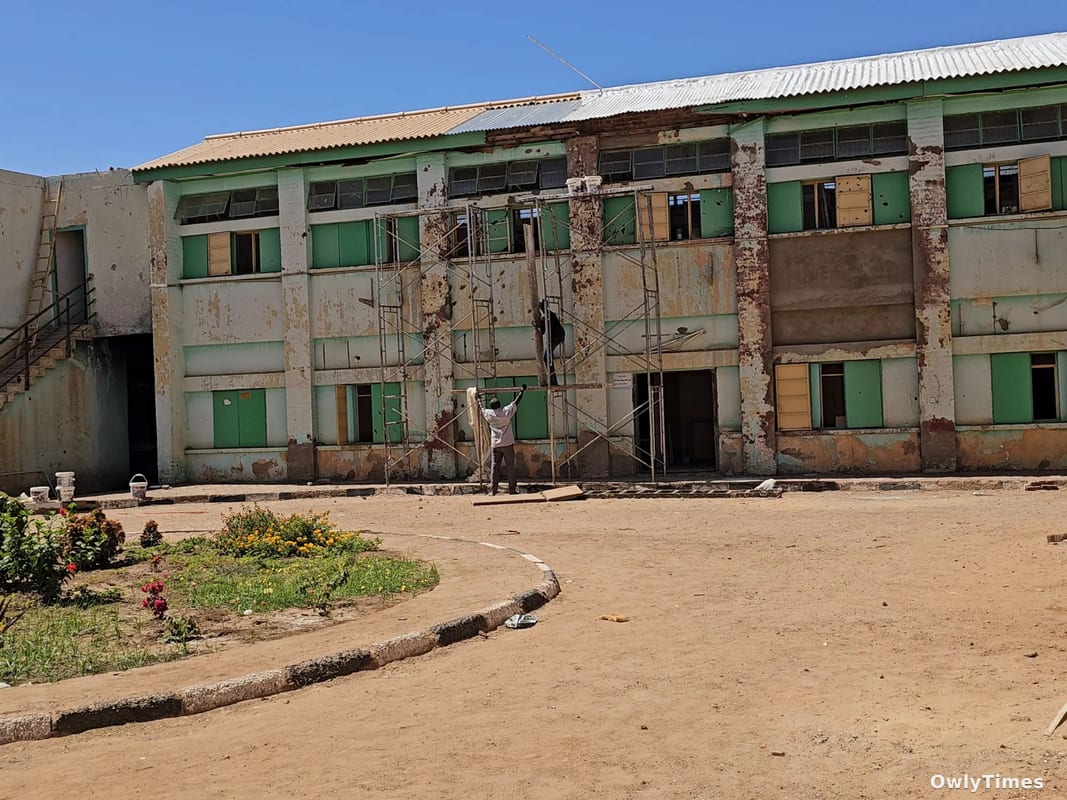
The case of the Tropical Diseases Teaching Hospital in Omdurman offers a localized look at this broader national collapse. Following a nearly two-year closure forced by the war that began on April 15, 2023, the facility has resumed partial operations. However, the data suggests this recovery is fragile. Abu Bakr Hassan Al-Mubarak, the hospital’s Director General, notes that while internal medicine and dermatology units are attempting to restart, the facility has suffered losses exceeding half a million dollars. This is not merely a budgetary shortfall; it is a direct reduction in the technical capacity to diagnose and treat endemic diseases, forcing patients like Othman to pivot from public care to private, out-of-pocket procurement of essential medications when hospital stocks vanish.
When analyzing the Sudanese health ministry report that 37 percent of health facilities are now non-functional, it is critical to distinguish between "total facility destruction" and "operational incapacity." Many headlines emphasize the former, but the more urgent scientific concern is the latter: the loss of cold-chain logistics for vaccines, the destruction of power grids, and the loss of qualified personnel. The World Health Organization (WHO) has documented 217 attacks on health infrastructure, which have resulted in the deaths of 2,052 healthcare workers. These are not just statistics; they represent a permanent loss of institutional knowledge and clinical expertise that cannot be replaced by simply reopening a building.
There are significant limitations to consider when assessing the health status of the country’s 52 million people. Current data collection is hampered by the fact that the SAF and RSF maintain control over different geographical regions, making a unified national health assessment nearly impossible. Furthermore, the reliance on international humanitarian support—a point emphasized by the hospital’s Director of Media and Public Relations, Hasaballah Suleiman—means that the quality of care is subject to the volatility of global supply chains and aid access, rather than consistent, localized medical standards.
The next steps for the region involve the slow, difficult process of restoring specialized units, such as those for psychological counselling and diagnostic testing, as outlined by Rimah Fadl Al-Mawla. Whether this rebuilding effort can outpace the surge in outbreaks of malaria, dengue fever, and cholera will be the primary metric for survival in the coming months. As the war enters its fourth year, the next reading of the health ministry’s facility-functionality percentage will indicate whether the medical system is stabilizing or continuing its slide toward total obsolescence.