
The air in Knoxville crackled with a familiar tension in the early 2000s. Pat Summitt, the legendary coach of the Tennessee Lady Volunteers, had just witnessed another UConn victory, the Huskies’ ascendance a stark contrast to the once-unshakeable dominance of her program. But instead of retreating into rivalry bitterness, Summitt did something unexpected. She walked straight into the office of athletic director Joan Cronan, not to complain, but to demand that the game be rescheduled for the following season, regardless of the cost. “It’s good for the game, Joan,” she insisted, a sentiment that encapsulates a legacy far beyond wins and losses, and one that feels particularly urgent as women’s college basketball explodes in popularity in 2026.
This wasn’t about ego, or even about maintaining Tennessee’s prestige. It was about recognizing that a fierce, high-profile rivalry – even one that threatened her own team’s record – was a vital engine for growth. That single act, recounted by Cronan, speaks volumes about Summitt’s foresight, a vision that laid the groundwork for the record-setting television deals, booming viewership, and financial units now flowing to women’s college teams through the NCAA Tournament. It’s a legacy often overshadowed by the focus on individual stars, but it’s the bedrock upon which this current golden age is built. We’re witnessing a moment where women’s college basketball players are becoming household names, the WNBA is attracting millionaire athletes, and the sport has finally, undeniably, captured the American imagination.
Source material: The New York Times.
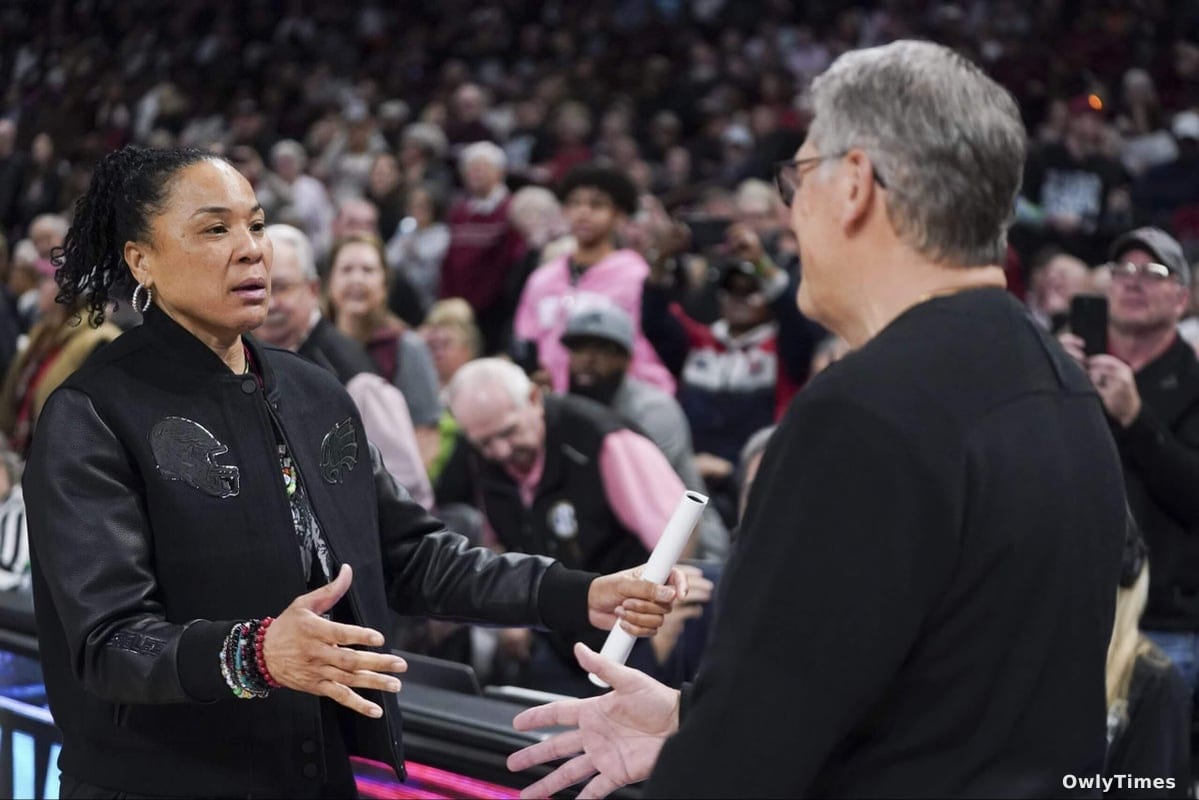
For decades, the sport’s success rested on the shoulders of a remarkably small group. Six coaches – Summitt, Tara VanDerveer, Muffet McGraw, Geno Auriemma, Dawn Staley, and Kim Mulkey – have claimed 23 of the last 25 national titles. Now, only three remain in this year’s Sweet 16: Staley, Auriemma, and Mulkey. But the weight of representing the sport, of being its public face, increasingly falls to those two. Auriemma, at 72, is nearing the end of his storied career, and Staley, 55, openly admitted she would have accepted a job with the New York Knicks in 2025 had it been offered. The potential void left by their eventual departure isn’t just a coaching concern; it’s an existential question for a sport on the cusp of unprecedented growth.
The responsibility for speaking on the sport usually falls to Auriemma and Staley. When Title IX is debated, when revenue sharing models are proposed, when the very future of college athletics is being reshaped, it’s their opinions that are sought, their words that carry the most weight. Auriemma himself understands this, stating his focus has always been on “How do we give everybody the same opportunity that I had in building a program from nothing?” He’s opened his practices to younger coaches, even during the height of the Tennessee rivalry, embodying a spirit of collaboration that Summitt championed. But relying on two individuals to carry the torch is a precarious position, especially as both face potential career shifts.
The current landscape mirrors a broader trend in college sports: the departure of iconic figures like Mike Krzyzewski, Roy Williams, and Nick Saban has left a vacuum in leadership and public discourse. Saban, even in retirement, remains a touchstone for college football, his opinions eagerly sought and widely reported. Women’s basketball needs its own cohort of influential voices, coaches willing to not just win games, but to actively shape the future of the sport. Tara VanDerveer, a fierce advocate for Title IX and women in leadership, exemplified this by consistently hiring all-female coaching staffs at Stanford. Muffet McGraw similarly prioritized empowering women, and Dawn Staley has used her platform to champion equal pay and representation for Black coaches.
But simply winning isn’t enough anymore. While coaches like Cori Close at UCLA and Kara Lawson at Duke are vocal on important issues, they haven’t yet reached the same level of cultural influence as Staley and Auriemma. Shea Ralph, the new head coach at Vanderbilt, recognizes the responsibility coaches have to “protect the college student-athlete mold and model,” but the question remains: will enough coaches step forward to actively lead the conversation, to push for the changes necessary to ensure the sport’s continued growth? VanDerveer succinctly puts it: “Integrity and authenticity — that’s what coaches have to have. It’s not selfish, it’s not self-serving. But what is going to help the game grow and be sustainable?”
The explosion of women’s college basketball isn’t just a fleeting moment; it’s a cultural shift. But sustaining that momentum requires more than just talented players and exciting games. It demands a new generation of coaches who embody Pat Summitt’s unwavering commitment to the game, who are willing to use their platforms to advocate for its future, and who can, like Staley and Auriemma have done, envision a version of women’s basketball even more vibrant and impactful than the one we see today. The question isn’t just who will win the next national championship, but who will step up to lead the sport into its next era – and what will happen when the current voices begin to fade?

