
The Illusion of Reciprocity: Trump’s Tariffs and the Cost of Economic Signaling
The Supreme Court’s invalidation of President Trump’s “reciprocal tariffs” wasn’t a defeat of trade policy so much as the exposure of its underlying strategic intent. The tariffs, representing roughly 70% of the global tariffs imposed during the Trump administration, weren’t designed to achieve balanced trade – a claim repeatedly made by the administration – but to signal economic resolve and force renegotiations, even at the expense of American businesses. The immediate fallout isn’t about trade balances, but about the political calculus of a former president attempting to retain influence even after leaving office, and the potential for further economic disruption as he threatens a new 10% tariff.
This piece references the abc7news.com report.
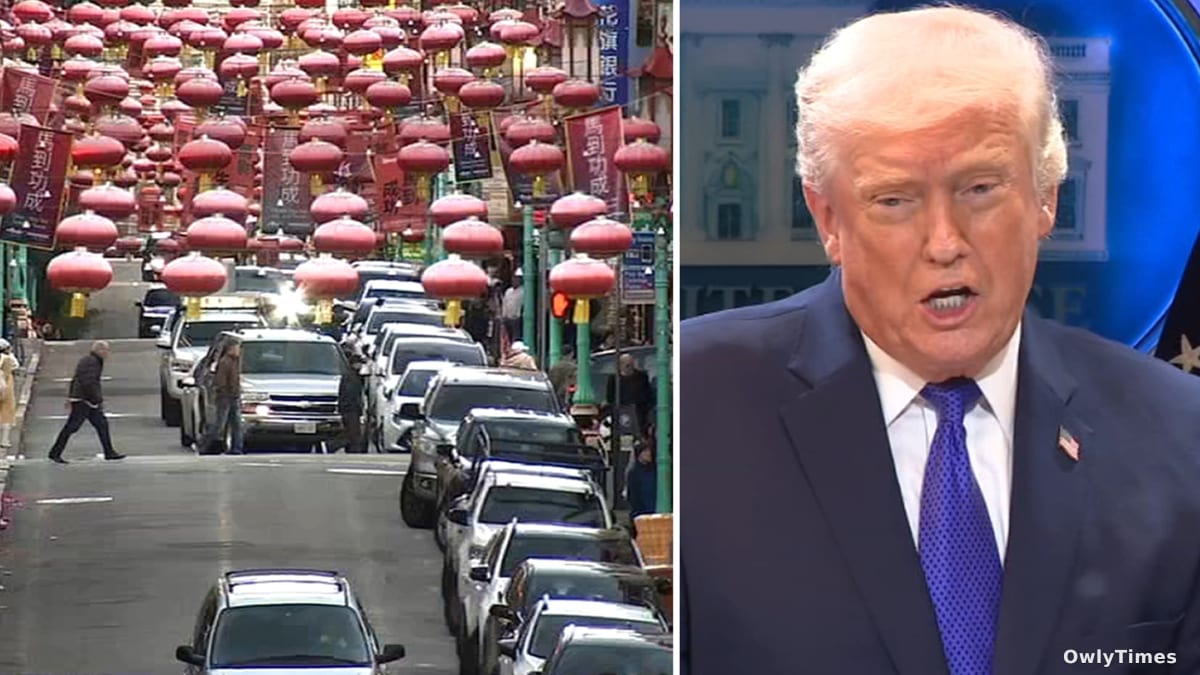
The ruling itself, while legally significant, was perhaps less surprising than Ann Harrison’s reaction – “I was honestly really surprised.” As the former dean of the Haas School of Business at UC Berkeley, Harrison understands the economic realities often obscured by political rhetoric. Studies, she points out, demonstrate that the burden of these tariffs fell overwhelmingly on American consumers and businesses, not foreign exporters. This contradicts the core premise of “reciprocity,” which suggests that tariffs are a tit-for-tat response to unfair trade practices. The reality, as evidenced by businesses like Asia Star Fantasy in San Francisco’s Chinatown, was a dramatic increase in shipping costs. Owner Nancy Yu Law recounts facing tariff hikes of 54%, 100%, and even 120% at various points, creating a climate of instability that hampered business planning.
The $142 billion in revenue collected since April, as reported by the Yale Budget Lab, further underscores the point. This wasn’t a revenue-neutral policy aimed at leveling the playing field; it was a significant tax on American economic activity. The calls for reimbursement from businesses like Kevin Teng’s K-Pop store – which absorbed $17,000-$18,000 in tariffs over ten months – highlight the inherent injustice. Teng’s suggestion of a tax credit, or even a direct refund to consumers who ultimately bore the cost, reveals the complexity of untangling the economic damage. The situation echoes the Smoot-Hawley Tariff Act of 1930, enacted during the Great Depression, which similarly aimed to protect American industries but ultimately exacerbated the economic downturn by triggering retaliatory tariffs from other nations. While the scale is different, the underlying logic – prioritizing perceived domestic gains over global economic stability – remains disturbingly consistent.
Who benefits and who loses from this sequence of events? Initially, the political benefit accrued to President Trump, who could project an image of strength and a commitment to American manufacturing. The promise to “bring manufacturing back to the US,” as Harrison notes, was a central tenet of his appeal. However, the Supreme Court ruling diminishes that political capital. American businesses, particularly small and medium-sized enterprises like those in San Francisco’s Chinatown and K-Pop retail, are the clear losers, having absorbed significant costs and faced operational uncertainty. Consumers also lost through higher prices. The potential beneficiaries now are foreign exporters, who may see a slight easing of trade barriers, and domestic manufacturers who might benefit from reduced competition – though the long-term effects are far from certain.
The immediate political chess move to watch isn’t the new 10% tariff announcement, but rather the reaction within the Republican party. Will they coalesce around Trump’s continued protectionist rhetoric, or will a faction emerge advocating for a more traditional, free-market approach? The answer will reveal whether the party is prioritizing short-term political gains or long-term economic stability, and whether the illusion of reciprocity will continue to shape the debate. The question now is not simply if Trump will implement the new tariffs, but how the party will respond, and whether they will attempt to codify these policies into law, potentially creating a lasting legacy of economic disruption.