
The Supreme Court’s recent ruling against Donald Trump’s unilateral imposition of tariffs isn’t simply a legal setback for the former president; it’s a calculated reassertion of Congressional authority over trade policy, a power deliberately eroded during the Trump administration. The decision, while framed as a matter of statutory interpretation regarding the 1974 Trade Act, represents a strategic victory for those seeking to constrain executive overreach – and a potential preview of legal battles to come should Trump return to office. The core issue isn’t whether tariffs are effective, but who decides them, and the Court’s ruling decisively places that power back in the hands of the legislature.
The Calculus of Executive Authority
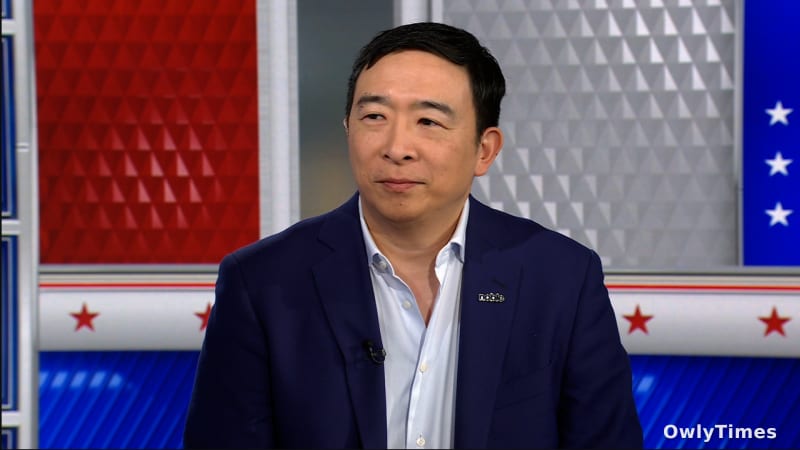
The tariffs in question, levied across a broad range of goods beginning in 2018, were justified under Section 232 of the Trade Expansion Act of 1962, which allows the president to impose tariffs if imports threaten national security. The Trump administration broadly interpreted “national security” to encompass economic security, effectively bypassing the usual Congressional processes for trade regulation. This move wasn’t unprecedented – presidents have historically used emergency powers to act swiftly in perceived crises – but the scale and duration of Trump’s tariffs were exceptional. The Court’s decision, however, found that the tariffs were not legitimately tied to a national security concern and that the administration had exceeded its statutory authority. This isn’t a judgment on the merits of protectionist trade policy, but a firm line drawn against expanding presidential power beyond Congressional intent. Andrew Yang, reacting to the ruling on CNN, succinctly captured the sentiment of many, stating, “People should be furious at this mismanagement of the economy on the part of the president.”
See the original CNN story for the full account.
Who Benefits and Who Loses?
The immediate beneficiaries of the ruling are American businesses and consumers who bore the brunt of increased costs due to the tariffs. Industries reliant on imported materials – from steel and aluminum to consumer goods – saw their profit margins squeezed and faced higher prices. While the stated goal was to revitalize domestic manufacturing, the impact was far more complex, often leading to retaliatory tariffs from other countries and disrupting global supply chains. Conversely, the ruling represents a loss for those who advocate for a more assertive, unilateralist trade policy. This includes segments of the domestic manufacturing base that hoped to benefit from protectionist measures, and those who believe the president should have broad discretion in safeguarding national economic interests. The long-term impact, however, is less clear. The decision doesn’t preclude future tariffs, but it does require Congressional authorization, raising the bar for their implementation.
Historical Echoes of Trade Disputes
The current dispute echoes historical tensions between the executive and legislative branches over trade policy. The Smoot-Hawley Tariff Act of 1930, widely blamed for exacerbating the Great Depression, was enacted despite warnings from economists and opposition from within Herbert Hoover’s own administration. While the circumstances are different, the underlying dynamic – a president pursuing protectionist policies with limited Congressional oversight – remains consistent. More recently, the debate over the North American Free Trade Agreement (NAFTA) in the 1990s highlighted the challenges of balancing free trade principles with domestic economic concerns. The key difference today is the explicit challenge to executive authority, a direct response to the Trump administration’s attempts to circumvent Congressional checks and balances. The Court’s ruling, in this context, can be seen as a corrective measure, restoring a balance of power that had been significantly altered.
The Implications for Future Trade Policy
The ruling’s impact extends beyond the specific tariffs at issue. It sets a precedent for future challenges to executive actions on trade, potentially emboldening Congress to reassert its constitutional authority. This could lead to a more deliberative and transparent trade policy process, but also to increased political gridlock. The Biden administration, while generally favoring a more multilateral approach to trade, has maintained some of Trump’s tariffs, particularly those targeting China. The Court’s decision now forces the administration to either seek Congressional authorization for those tariffs or risk facing similar legal challenges. The ruling also complicates the political landscape for a potential second Trump term. Any attempt to reimpose tariffs unilaterally would likely be met with swift legal opposition, forcing him to navigate a more constrained political environment.
The political chess move to watch next isn’t a legislative maneuver, but a strategic calculation by Donald Trump. Will he publicly denounce the ruling as judicial overreach, further solidifying his base but risking further legal setbacks? Or will he subtly shift his rhetoric, acknowledging the need for Congressional cooperation while still advocating for protectionist policies? The answer will reveal his long-term strategy for navigating a potentially hostile legal and political landscape.





